 Dodi Irawan
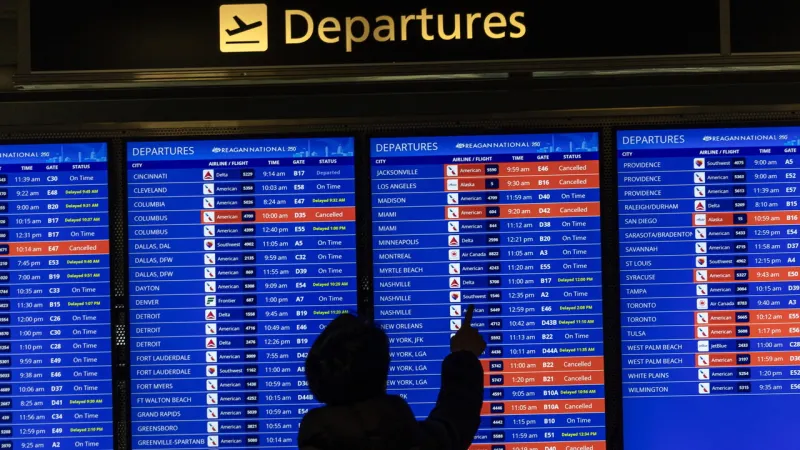
Washington, D.C. - United States air travel continued its tumultuous trajectory today with an additional 1,400 flights canceled, exacerbating a weekend of widespread disruption that saw more than 6,700 flights grounded on Saturday alone. This cascading impact stems from a nearly five-hour system stoppage imposed by the Federal Aviation Administration (FAA) on Friday, which brought air traffic to a standstill across the nation.
The latest cancellations underscore the fragility of the nation's aviation infrastructure, even as authorities report an improving situation since the initial grounding. Travelers across major hubs and regional airports are contending with protracted delays, missed connections, and the logistical nightmare of rescheduling amid peak travel demand.
The FAA had initiated the comprehensive ground stop after an unspecified technical issue affected its Notice to Air Missions (NOTAM) system, which provides critical flight safety information to pilots. While the system resumed operations by midday Friday, the ripple effects have propagated through airline schedules, leading to a complex web of crew displacement and aircraft out of position.
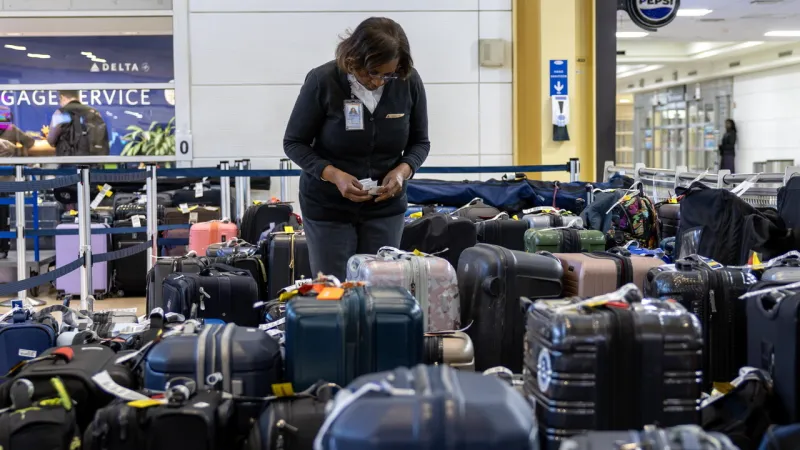
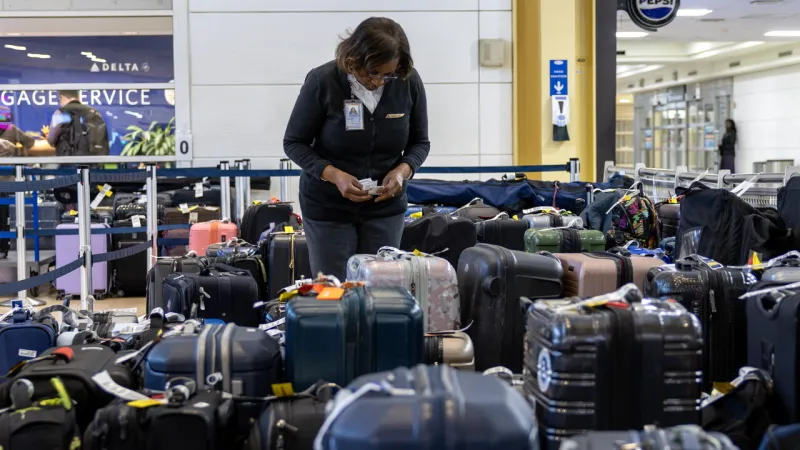
Thousands of passengers found themselves stranded at airports like Atlanta Hartsfield-Jackson, Chicago O'Hare, and Denver International Airport over the weekend. Many reported sleeping on terminal floors, enduring long queues for rebooking, and expressing frustration over the lack of clear communication from airlines struggling to manage the unprecedented backlog.
Major carriers including American Airlines, Delta Air Lines, and United Airlines have issued travel waivers, allowing passengers to alter their plans without penalty. However, the sheer volume of affected flights means rebooking options remain scarce for many, particularly on popular routes. Airlines are deploying extra staff to assist passengers, but the scale of the disruption challenges even their most robust contingency plans.
Beyond individual inconvenience, the significant air travel disruption carries substantial economic implications. Businesses reliant on prompt freight delivery face delays, while tourism and hospitality sectors anticipate a downturn in bookings. The cumulative financial toll on airlines, in terms of refunds, compensation, and operational inefficiencies, is expected to run into millions of dollars.
President Donald Trump's administration is closely monitoring the situation, with the Department of Transportation issuing statements emphasizing passenger rights and urging airlines to provide timely assistance. Congressional leaders are expected to initiate inquiries into the FAA system failure, scrutinizing the agency's maintenance protocols and modernization efforts for critical air traffic control technologies.
FAA officials, while not offering specific details on the system malfunction, have reiterated their commitment to safety as the paramount concern. They emphasize that the ground stop, though disruptive, prevented potential safety hazards by ensuring all pilots received current and essential flight information. Investigations into the root cause of the NOTAM system failure are reportedly underway.
This recent incident is not isolated, echoing past technical glitches and weather-related disruptions that have periodically plagued US air travel. Aviation experts frequently highlight the need for continuous investment in upgrading legacy systems to prevent such widespread cascading failures, particularly as air traffic volumes continue to recover and grow.
While the immediate future promises continued challenges for air travelers, the FAA and airlines are working collaboratively to stabilize operations. Analysts predict several more days of irregular schedules before the system fully recalibrates. Passengers are advised to check their flight status frequently and to communicate directly with their carriers for the most up-to-date information regarding their journeys.
The incident serves as a stark reminder of the intricate dependencies within the national airspace system and the critical need for resilient, advanced infrastructure to support the demands of modern air travel.