 Angel Doris
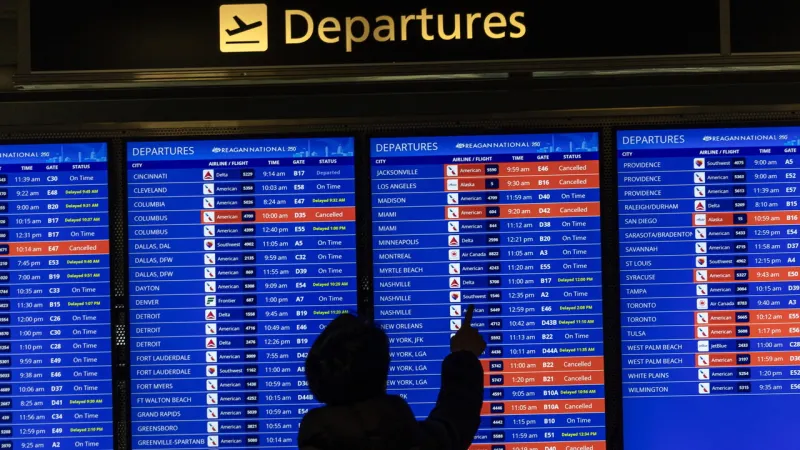
WASHINGTON, D.C. The United States air travel system approaches full operational capacity following a recent, sprawling blockade that severely disrupted flights nationwide, impacting an estimated 1.3 million individuals. While the immediate chaos subsides, authorities and airlines grapple with the significant financial and logistical damages incurred from the extensive disruption.
This widespread incident, which brought the nation's aviation to a near standstill, has prompted an intense review of the underlying infrastructure. The exact cause of the initial system failure remains a central point of scrutiny, fueling calls for enhanced resilience in air traffic control mechanisms.
Preliminary assessments indicate the economic fallout extends well beyond direct flight cancellations. Lost productivity, tourism revenue setbacks, and increased operational costs for carriers contribute to a mounting financial burden. The Federal Aviation Administration (FAA) has been working tirelessly to restore normalcy, but the ripple effects are proving complex and far-reaching.
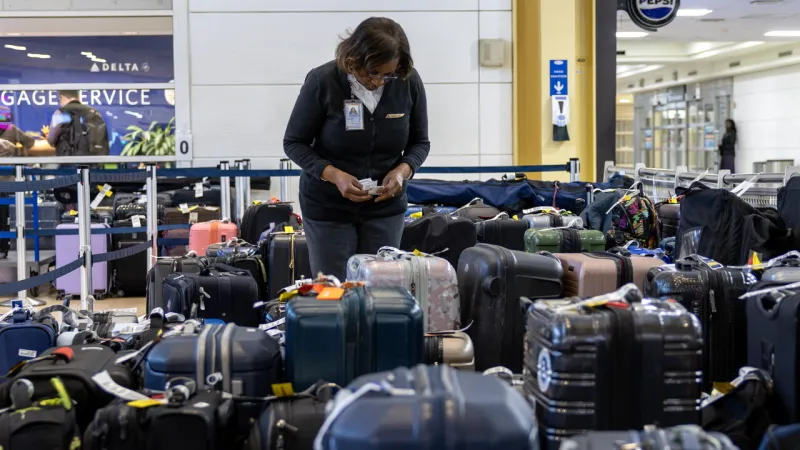
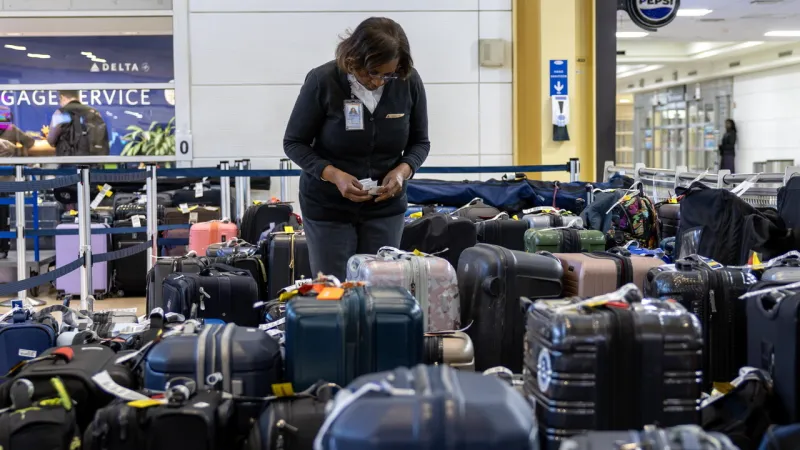
Passengers bore the brunt of the disruption, experiencing prolonged delays, missed connections, and stranded situations across numerous airports. Many travelers described scenes of frustration and uncertainty as information, though steadily improving, was initially sporadic.
The White House has closely monitored the situation. President Donald Trump, through his administration, emphasized the imperative for immediate system recovery and a thorough investigation into the root causes. Calls for accountability resonate across government agencies and the affected public.
The incident follows previous reports of widespread air travel issues, including a system failure grounding 16,000 US flights, which sparked an aviation crisis, and subsequent reports that US air chaos persisted with over 4,000 flights canceled. This latest episode underscores persistent vulnerabilities within the nation's aviation framework.
Airlines are now facing the arduous task of rebooking passengers, processing compensation claims, and managing crew rotations disrupted by the unforeseen halt. The logistical undertaking is colossal, testing the limits of airline operational flexibility and customer service capabilities.
Experts suggest that the incident highlights the critical need for modernized air traffic control systems, which rely on technology that, in some instances, dates back decades. Investment in upgraded infrastructure and robust cybersecurity measures are seen as paramount to preventing future occurrences of this magnitude.
Looking ahead, Congress is expected to intensify its oversight of the FAA and other related agencies. Lawmakers will likely push for definitive action plans to bolster the national airspace system against similar disruptions, focusing on both preventative technology and rapid response protocols.
The collective experience serves as a stark reminder of the intricate dependencies within modern travel networks. While the skies over the US are largely operational once more, the incident leaves a lasting impression on millions and demands a comprehensive re-evaluation of national aviation security and efficiency.
Ongoing investigations are expected to yield detailed reports in the coming months, offering a clearer picture of the precise mechanisms that led to the blockade and outlining strategies to safeguard against such widespread disruptions in the future. The focus remains on ensuring the safety and reliability of US air travel for all passengers.