 Chris Robert
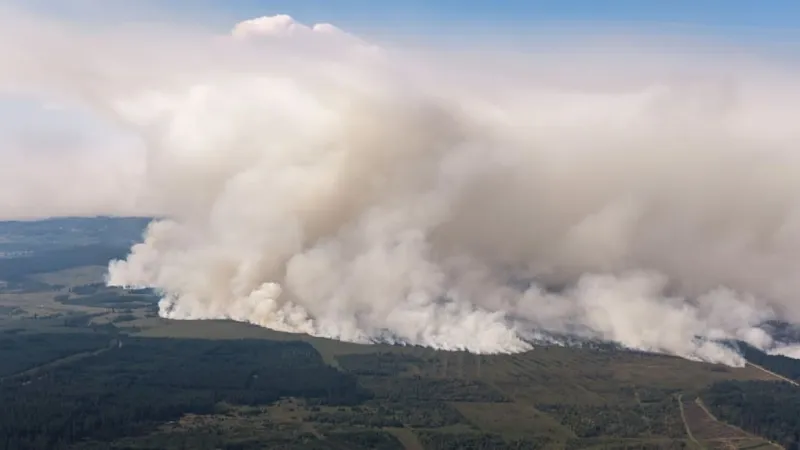
MONSCHAU, Germany — Authorities have issued immediate evacuation orders for several settlements on the German-Belgian border near Monschau today as a large-scale wildfire, originating in Belgium, intensifies and threatens to spread into German territory. The critical directive underscores the escalating peril posed by the blaze, compelling residents to vacate their homes promptly for safety.
The volatile situation developed rapidly as the extensive forest fire, which has been burning on the Belgian side, breached containment lines and began advancing eastward. Emergency services are working against the clock to establish defensive perimeters and mitigate the cross-border threat, particularly to populated areas.
Local officials confirmed that the order for residents to leave their houses immediately was a direct response to the fire's unpredictable trajectory and the potential for rapid escalation. The swift action aims to prevent casualties and allow firefighters unhindered access to combat the conflagration.
The wildfire originated in the Belgian region, likely exacerbated by recent dry conditions and persistent winds, which have fanned the flames across expansive forested areas. The proximity to the German border has triggered a heightened state of alert among federal and state disaster management agencies.
Evacuated residents are being directed to designated safe zones, though specific details about the number of individuals affected or the exact settlements under order remain fluid as the emergency unfolds. Local police and fire departments are coordinating the evacuation logistics, ensuring a systematic and orderly departure.
The current event recalls previous challenges in the region, including reports from a few years ago when a similar Hohes Venn Wildfire raged and threatened German border communities. Such incidents highlight the recurring vulnerability of the densely forested borderlands to intense blazes, particularly during periods of prolonged drought.
Firefighting crews from both Germany and Belgium are reportedly engaged in collaborative efforts, sharing resources and intelligence to tackle the immense blaze. However, the sheer scale and rapid progression of the fire present significant operational challenges, testing the limits of cross-border emergency protocols.
Aircraft, including water-bombing helicopters, have been deployed to assist ground crews, focusing on critical areas to slow the fire's advance and protect infrastructure. Smoke plumes are visible for many miles, a stark indicator of the fire's ferocity and geographical reach.
Authorities have urged all citizens in the broader Monschau area to remain vigilant, monitor local news channels for updates, and adhere strictly to any further instructions from emergency personnel. Road closures and restricted access to certain areas are expected to remain in effect for the foreseeable future.
The long-term environmental impact on the affected forests and ecosystems in the German-Belgian Eifel region is anticipated to be substantial. Ecologists are already expressing concern over the destruction of habitats and the potential for lasting damage to biodiversity, adding another layer of gravity to the unfolding disaster.
As the night approaches, emergency services are preparing for sustained operations, with the focus remaining on safeguarding human lives and preventing the wildfire from breaching critical natural barriers or further residential areas. The situation remains exceptionally tense, with ongoing monitoring of wind patterns and fire spread.