 Chandra Wijayanto
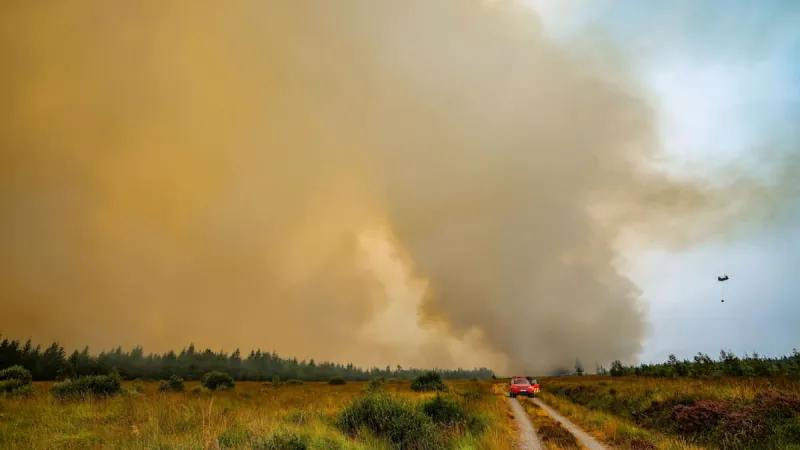
A massive wildfire continues its relentless spread through Belgiums Hohes Venn nature reserve, advancing to within 1.5 kilometers of the German border, posing a severe threat to nearby communities despite efforts to control the blaze in other affected areas. The immediate danger on the German side remains palpable as authorities monitor the situation closely.
While residents of the German town of Gey, previously evacuated due to the Hurtgenwald blaze, have begun returning to their homes as that particular fire is now deemed under control, the situation in the adjacent Belgian wilderness remains critical. The Hohes Venn, a vast and sensitive moorland, provides ample fuel for the rapidly expanding inferno.
The proximity of the active fire front to German territory has prompted heightened alert levels. WELT-Reporter Gerrit Schroder underscored the gravity of the situation, stating, "An all-clear for the entire fire situation is explicitly not yet in sight." This assessment highlights the fluid and unpredictable nature of the blaze.
The Hohes Venn is not merely a wilderness area; it is a vital ecological zone, part of the High Fens – Eifel Nature Park, known for its unique peat bogs and rare flora and fauna. The destruction wrought by the wildfire represents an incalculable loss for biodiversity and regional environmental health, with long-term recovery efforts anticipated.
Emergency services from both Belgium and Germany are engaged in complex, coordinated operations to contain the widespread destruction. The challenging terrain of the nature reserve, characterized by dense vegetation and often inaccessible areas, significantly complicates firefighting efforts, demanding specialized equipment and tactics.
The threat extends beyond immediate border towns. Communities such as Monschau in Germany are closely monitoring the wildfire's progression, preparing for potential evacuation orders should the flames breach the current containment lines. The cross-border nature of the incident necessitates seamless communication and resource sharing between national agencies.
Dry conditions, exacerbated by prevailing winds, have fueled the wildfire's aggressive expansion, making it difficult for ground crews and aerial support to gain a decisive upper hand. Firefighters are working against time to establish new firebreaks and protect residential areas from the advancing inferno.
The return of Gey residents offers a localized glimmer of hope amidst the broader crisis, demonstrating that focused firefighting can yield results. However, their relief is tempered by the looming danger just across the border, reminding everyone of the interconnectedness of these natural disasters.
Regional officials have urged residents to remain vigilant and adhere strictly to all safety directives issued by emergency responders. Public safety remains the paramount concern as authorities navigate this complex and evolving environmental catastrophe.
The economic impact on local tourism, particularly in areas reliant on the natural beauty of the Hohes Venn and surrounding regions, is also a growing concern. The long-term recovery of the landscape will be a massive undertaking, affecting local livelihoods for years to come.
Environmental experts warn that such large-scale wildfires may become more frequent and intense, particularly in light of changing climate patterns across Europe. The Hohes Venn incident serves as a stark reminder of the increasing vulnerability of natural reserves to extreme weather events.
As 2026 progresses, the fight against the Hohes Venn wildfire continues, with no definitive end in sight. The bravery and persistence of emergency personnel on both sides of the border are being tested daily as they strive to protect both human life and precious natural heritage from the ravages of the blaze.