 Stefani Rindus
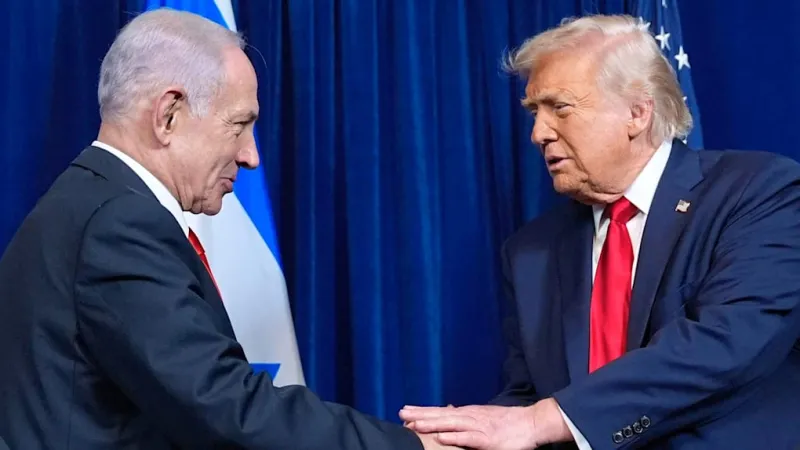
WASHINGTON – President Donald Trump today publicly endorsed Israeli Prime Minister Benjamin Netanyahu for reelection, offering crucial support to a leader navigating a complex political landscape in 2026. The high-profile backing from the White House arrives after months during which Netanyahu had received no explicit international recommendations for his continued tenure, potentially reshaping the upcoming Israeli political discourse and electoral calculations.
The endorsement was delivered with characteristic flourish, with President Trump describing Netanyahu as a "great, combative Prime Minister" in a statement released by the White House. This characterization underscores a long-standing alliance between the two leaders, one that has significantly influenced Middle East policy during their overlapping terms.
Netanyahu, who has steered Israel through numerous challenges, including significant security crises, faces considerable domestic pressure. Recent reports highlight mounting scrutiny over his leadership, particularly concerning the aftermath of the October 7, 2025, events. Victims families demand criminal investigation into Netanyahu over October 7 failures, a development that complicates his political future and makes foreign endorsements all the more critical.
Observers suggest President Trump's timing is strategic, aimed at bolstering Netanyahu's position ahead of potential snap elections or ongoing leadership challenges within his own Likud party. The former allies have often found common ground on regional security and diplomatic approaches, reinforcing a conservative political axis.
The explicit endorsement breaks a period of diplomatic reticence from some international quarters regarding Netanyahu's political viability. While US-Israel relations remain foundational, direct interventions in another nation's electoral processes are often carefully weighed. President Trump's announcement signifies a clear departure from such cautious diplomacy.
In Israel, the endorsement is likely to galvanize Netanyahu's base, portraying him as a leader with unwavering international support from a key ally. Conversely, opposition factions may criticize the intervention as an undue influence on Israeli sovereignty and democratic processes, potentially fueling anti-Netanyahu sentiment among his detractors.
Political analysts are closely monitoring how this development will resonate across the broader Middle East. US support for Israeli leadership invariably carries implications for regional stability, peace initiatives, and the delicate balance of power among various state and non-state actors. The endorsement could embolden Israel on certain policy fronts or deepen existing divisions.
Globally, the reaction will likely be mixed. Nations aligned with US foreign policy may view the endorsement as a continuation of established diplomatic ties, while others, particularly those critical of Israeli policies or President Trump's approach to international relations, may express concern or disapproval.
The enduring political camaraderie between President Trump and Prime Minister Netanyahu has been a defining feature of their respective tenures. Their shared foreign policy perspectives, often characterized by a robust stance on security and a willingness to challenge conventional diplomatic norms, have shaped a unique chapter in US-Israeli relations.
This latest endorsement is not merely symbolic; it injects a powerful external factor into Israel's intricate internal politics. For Netanyahu, it provides a much-needed narrative of strength and international backing. For his opponents, it presents a new challenge in an already contentious electoral environment.
The coming months will reveal the true impact of President Trump's declaration on the Israeli electorate and the subsequent dynamics of the country's political future. The international spotlight remains firmly fixed on Jerusalem as the implications of this significant endorsement continue to unfold.