Angel Doris
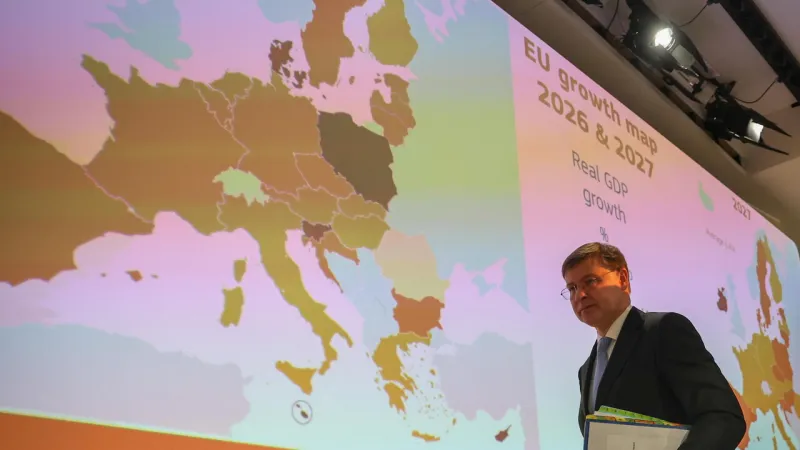
BRUSSELS – The European Union Presidency has declared a windfall profits tax on energy companies as an imperative measure to address the continent’s burgeoning cost-of-living crisis. This decisive call, amplified by Irish Minister Byrne, underscores a collective commitment to alleviating financial burdens on households grappling with unprecedented energy costs and economic strain. The proposal aims to redirect excessive corporate earnings toward compensatory relief for citizens.
The assertion from the EU Presidency reflects a growing consensus among member states that extraordinary market conditions should not translate into disproportionate corporate gains while everyday citizens endure financial hardship. This position signals a significant shift towards more interventionist economic policies designed to protect consumer welfare.
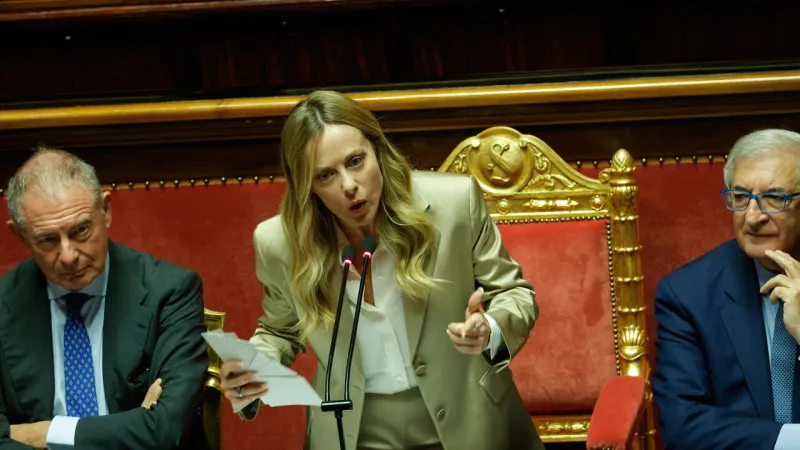
Minister Byrne articulated the urgency of the situation, stating, “We must compensate for the cost of living and household losses.” His words echo sentiments from across the bloc, highlighting the imperative for governments to act proactively against inflationary pressures and the erosion of purchasing power. The Irish minister stressed that without such interventions, the social fabric could face undue stress.
Europe has contended with a sustained period of elevated inflation, exacerbated by geopolitical instabilities and supply chain disruptions, particularly in the energy sector. This has translated into higher utility bills, increased food prices, and a general surge in everyday expenses, pushing many families to their financial limits.
The dramatic increase in global energy prices has allowed some energy corporations to register record profits, often termed windfall gains, which are seen as detached from ordinary operational efficiency. Critics argue these profits are a direct consequence of market anomalies rather than genuine innovation or risk-taking, thus warranting a special levy.
Discussions surrounding special taxation on excess profits are not novel. Various European nations have independently explored or implemented similar mechanisms in recent years to claw back what they deem as unearned income. Such moves often face vigorous debate concerning their legality, economic impact, and potential to disincentivize investment.
The public outcry over rising fuel costs has been palpable across the continent. For instance, Diesel Excise Hikes Ignite Consumer Outcry As Fuel Prices Soar, illustrating the direct impact on daily expenses and the demand for governmental relief measures. This popular discontent further fuels the impetus for policies like a windfall profits tax.
Government responses have varied, with some considering subsidies to cushion the blow. The German Transport Minister Pivots, Backs Broad Fuel Subsidy, demonstrating another approach to mitigate the financial burden on citizens. However, a windfall tax offers a different paradigm, aiming to fund relief directly from corporate beneficiaries of the crisis.
Implementing a continent-wide windfall profits tax presents complex legal and logistical challenges. Energy companies and their lobbies frequently argue that such taxes deter future investments in energy infrastructure and supply, potentially jeopardizing long-term energy security and affordability. They also question the definition of extraordinary profits.
The political climate within the EU is highly sensitive to issues affecting household finances. Governments across the member states face pressure to demonstrate tangible action against inflation and support for their electorates, making proposals like the windfall profits tax politically attractive, despite potential industry opposition.
The Presidency will likely push for a swift agreement on the proposed taxation framework. The specifics of the tax – including its rate, duration, and application scope – will require detailed negotiation among member states, reflecting diverse national energy mixes and economic priorities. The ultimate goal remains to stabilize consumer finances and restore economic equilibrium.
Analysts suggest that a coordinated EU-wide approach could prevent capital flight and ensure a more equitable distribution of the financial burden and benefits. A fragmented response, conversely, might lead to an uneven playing field and diminished impact.