 Edward DP Situmorang
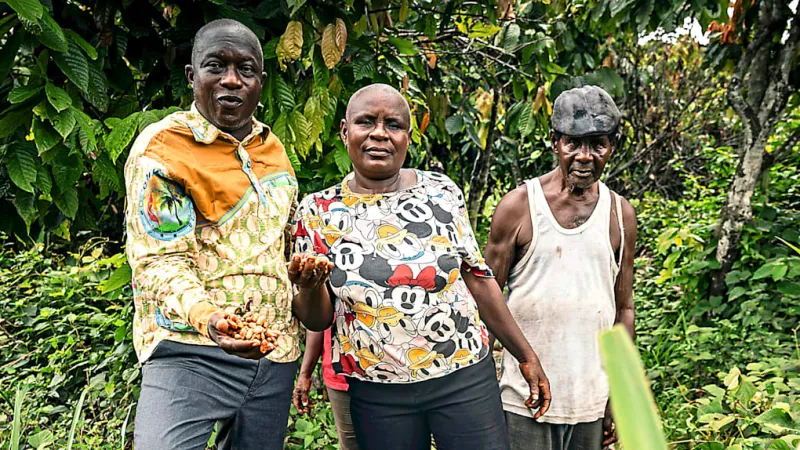
Ivory Coast — Two years ago, global cocoa prices soared to unprecedented record highs, promising prosperity for the millions of farmers whose livelihoods depend on the crop. Yet, a recent on-the-ground assessment reveals a bitter irony: the very producers in major West African growing countries, notably Ivory Coast, scarcely benefited from this boom. Now, they endure the full brunt of a precipitous price collapse, trapped in a cycle of poverty and economic vulnerability.
This dramatic reversal highlights deep-seated inequities within the global supply chain. For years, advocates have championed fairer trade practices, yet the fundamental structure appears to insulate primary producers from market gains while exposing them mercilessly to losses.
During the period of record prices, the vast majority of profits were absorbed by intermediaries, traders, and chocolate manufacturers further up the value chain. Local farmers, often operating small plots with limited bargaining power, received only a tiny fraction of the global market price for their raw beans.
These farmers typically sell their harvests to local cooperatives or buyers, who then pass the cocoa to larger national and international exporters. The opacity of these transactions and the significant power imbalance often prevent farmers from negotiating equitable terms or even understanding the true market value of their produce.
Today, as global cocoa prices have significantly depreciated from their peak, the financial strain on these farming communities is severe. Many families, already operating on razor-thin margins, now face destitution, struggling to afford basic necessities like food, education, and healthcare.
An extensive visit to cocoa-producing regions in Ivory Coast illustrates the devastating impact. Farmers recount stories of delayed payments, unfair grading practices, and the relentless pressure to accept whatever price is offered, regardless of production costs.
This scenario is not isolated to Ivory Coast; it is replicated across West Africa, a region responsible for over 70 percent of the world's cocoa supply. The precarious economic situation of these farmers threatens the long-term sustainability of cocoa production itself.
Without adequate returns, farmers lack the capital to invest in improving crop yields, adopting sustainable farming practices, or diversifying their income streams. This perpetuates a cycle of low productivity and environmental degradation, further entrenching poverty.
International organizations and consumer advocacy groups have long called for greater transparency and equity in the cocoa sector. Initiatives aimed at fair trade certification or direct sourcing often struggle to scale sufficiently to impact the broader market dynamics effectively.
The disconnect between global commodity markets and the realities on the ground for primary producers represents a critical challenge for the global economy. It underscores the urgent need for systemic reforms that ensure a more equitable distribution of wealth across the entire supply chain.
Addressing this issue requires a concerted effort from governments, industry stakeholders, and consumers to establish mechanisms that guarantee a living wage for cocoa farmers. Only then can the bitter taste of price volatility be mitigated for those who cultivate the world's chocolate.