 Dodi Irawan
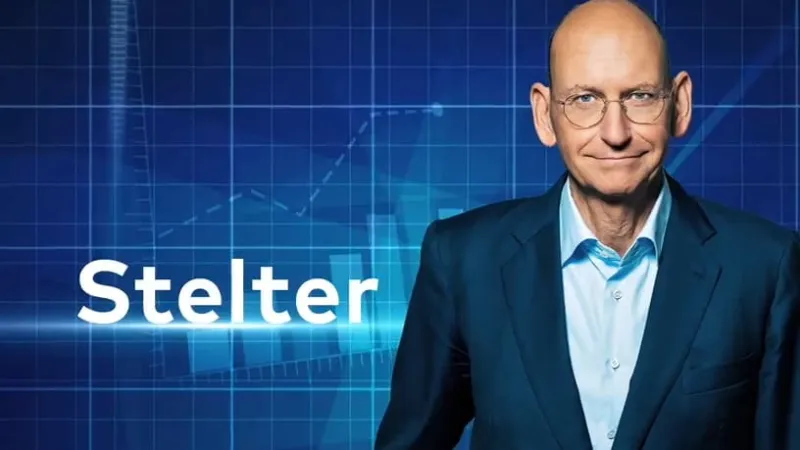
BERLIN – Germany's leading corporations, spearheaded by automotive giants BMW and Audi, have delivered an urgent letter to the federal government, warning of a dramatically deteriorating economic situation and demanding a fundamental change in policy direction. Economist Daniel Stelter characterized the industry's missive as a "desperate cry," underscoring the perceived urgency of a national economic crisis.
The letter, dubbed a Brandbrief or urgent warning letter, articulates deep concerns over Germany's industrial competitiveness and its future prosperity. Stelter's vivid assessment that "the house is burning" reflects a growing sentiment among economic observers and business leaders regarding the nation's trajectory.
This unprecedented intervention from some of Germany's most iconic brands highlights systemic issues plaguing the country's economic landscape. For years, experts have cautioned about rising energy costs, bureaucratic hurdles, and lagging digital infrastructure eroding Germany's standing as an industrial powerhouse.
While specific signatories beyond BMW and Audi were not immediately detailed, the implication is a broad consensus among Germany's industrial elite regarding the severity of the economic headwinds. These companies collectively represent a significant portion of Germany's GDP and employment.
The Brandbrief reportedly calls for concrete measures aimed at reducing regulatory burdens, lowering energy prices, and fostering an environment more conducive to investment and innovation. The emphasis is on structural reforms rather than short-term fixes.
Daniel Stelter, a prominent German economist and former senior partner at Boston Consulting Group, has been a vocal critic of the government's economic policies. His analysis often focuses on the need for decisive action to prevent long-term decline.
There has been no immediate public response from the federal government regarding the contents of the letter. However, the missive is expected to intensify ongoing debates within the ruling coalition about the appropriate economic strategy.
This is not the first time business leaders have voiced concerns, but the collective, direct appeal to the government by such high-profile companies signifies an escalation of urgency. Previous warnings, often more fragmented, appear to have gone unheeded or insufficiently addressed.
A prolonged economic downturn in the German economy has significant implications not only for its own populace but also for the broader European Union. As the bloc's largest economy, Germany's struggles can ripple through supply chains and financial markets across the continent.
Recent data points to stagnant growth, elevated inflation, and declining industrial production. The manufacturing sector, a traditional pillar of the German economy, has been particularly hard hit by high energy costs and global competition.
The current government has often articulated goals of transitioning to a greener economy and strengthening social programs. Critics, including the authors of the Brandbrief, argue that these objectives are being pursued at the expense of industrial competitiveness and overall economic health.
The urgent appeal also carries significant political weight, potentially influencing public discourse and voter sentiment as the government navigates challenging economic waters. Public confidence in economic leadership is a critical factor for stability.
Stelter and other economists warn that without a "fundamental change of course," Germany risks losing its industrial base and facing a protracted period of economic stagnation. The long-term implications for employment and living standards are dire.
Proposed solutions often include tax relief for businesses, deregulation, targeted investments in future technologies, and a reassessment of energy policy to ensure competitive prices for industry.
The collective action of Germany's industrial titans underscores a profound crisis of confidence in the current economic policy framework. It serves as a potent reminder that even the strongest economies require constant vigilance and adaptation to global challenges.