 Dorry Archiles
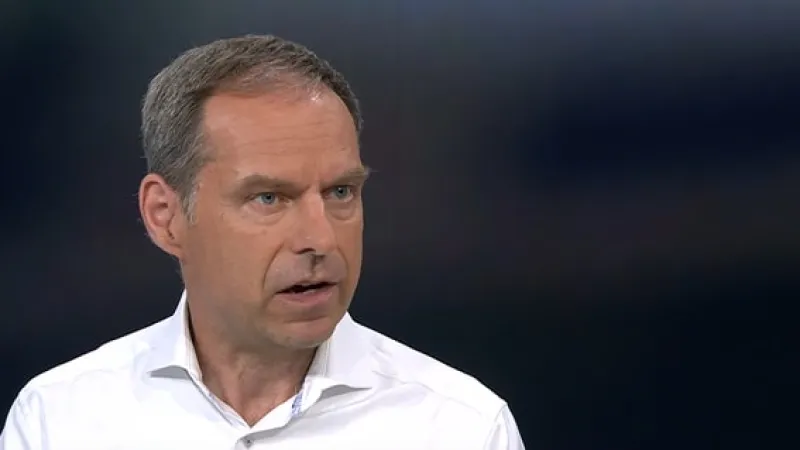
BERLIN — Thorsten Alsleben, managing director of the Initiative Neue Soziale Marktwirtschaft, recently asserted that Germany's prevalent Minijob system, designed to offer flexible employment, ultimately became a conduit for undeclared labor, commonly known as Schwarzarbeit. His remarks accompany his assessment of the nation's latest pension reform, which he lauds as a critical measure introducing significant cost-dampening strategies and initiating a shift towards capital coverage for retirement provisions.
Alsleben directly addressed the failings of the previous system, stating, “Minijobs ultimately became an opening for undeclared work.” This critical evaluation underscores a long-standing debate regarding the efficacy and potential misuse of the Minijob framework within the German labor market.
The sweeping pension reform, a topic of intense national discussion, aims to stabilize the retirement system amidst demographic shifts and economic pressures. It represents a foundational adjustment to how Germany intends to secure its citizens' financial well-being in their later years.
From Alsleben’s perspective, the new measures promise a brighter future for retirees. He expressed optimism, noting, “Ultimately, people will not have less in their old-age provision; ideally, they will even have more.” This sentiment suggests a belief that the reforms will not only prevent a decline in pension benefits but could potentially enhance them.
The Minijob concept, introduced in Germany to foster low-threshold employment, allows individuals to earn a limited income without comprehensive social security contributions. Originally intended to provide supplemental earnings and pathways into regular employment, its design has long invited scrutiny.
Critics, like Alsleben, argue that while well-intentioned, the system inadvertently fostered an environment where employers and employees could circumvent full social security obligations, leading to a proliferation of undeclared work. This shadow economy impacts tax revenues and the integrity of the social welfare state.
Undeclared labor poses substantial challenges beyond lost tax income. It undermines fair competition, deprives workers of full benefits, and can create significant gaps in an individuals lifelong pension contributions, potentially leading to poverty in old age.
The Initiative Neue Soziale Marktwirtschaft, which Alsleben leads, consistently advocates for market-oriented reforms and robust economic policies. Its stance on the pension reform aligns with its broader philosophy of strengthening Germany's social market economy through efficiency and long-term sustainability.
The pension reform introduces concepts like capital coverage, moving beyond a purely pay-as-you-go system. This involves investing a portion of contributions into capital markets, aiming to generate additional returns that can supplement future pensions and reduce dependency on demographic trends.
Such a pivot to capital coverage signifies a fundamental shift in Germany’s retirement planning, potentially offering greater resilience against future economic downturns and an aging population. It also draws parallels with pension models in other developed nations that have successfully integrated investment-based components.
For a detailed understanding of the reform’s mechanisms and impact on various demographics, the article “Germany Unveils Sweeping Pension Reform: Who Benefits, Who Bears the Cost?” provides further insights. This landmark legislative effort seeks to ensure intergenerational equity and financial stability for Germany’s populace.
Implementing such significant changes is not without its hurdles. Policy makers face the task of clearly communicating the benefits, managing public expectations, and ensuring a smooth transition to the new framework, which must withstand political shifts and economic fluctuations.
The long-term implications for Germany’s labor market are profound. By addressing the Minijob loophole and reinforcing pension provisions, the reform aims to foster greater transparency and fairness, potentially encouraging more individuals into fully declared employment.
This strategic reform effort also positions Germany’s social security system more robustly within the global economic landscape, providing a model for other nations grappling with similar challenges of an aging workforce and the financial sustainability of their welfare states.
Ultimately, the German pension reform, championed by figures like Alsleben, is portrayed as a crucial step towards modernizing the nation's social safety net, making it more resilient and equitable for generations to come, while actively curbing opportunities for a shadow economy.