 Stefani Rindus
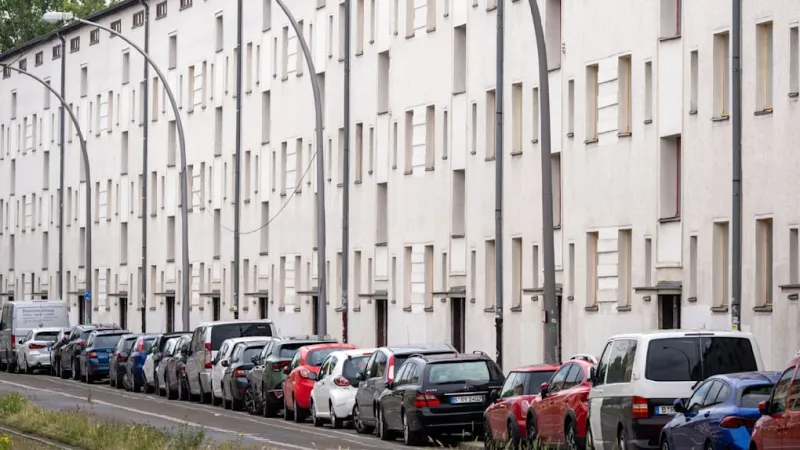
Rental prices across major German cities have surged by an alarming 51 percent over the past decade, with Berlin experiencing a particularly dramatic increase of nearly 77 percent. This significant escalation in housing costs, documented up to early 2026, has prompted urgent calls for more robust political intervention from the German Trade Union Confederation (DGB).
The capital city exemplifies the acute nature of the crisis. In early 2016, the average asking rent in Berlin stood at 8.93 euros per square meter. By early 2026, this figure had rocketed to 15.80 euros per square meter, marking an increase of 76.9 percent within a single decade. This trajectory far outstrips general inflation and wage growth for many residents.
The nationwide average increase of 51 percent underscores a systemic challenge extending beyond individual urban centers. This sustained upward trend in rental costs poses substantial financial burdens on millions of German households, impacting their disposable income and overall quality of life.
The German Trade Union Confederation, a powerful voice for workers rights, has voiced profound concerns over the burgeoning affordability crisis. DGB officials emphasize that current government measures are insufficient to curb the relentless rise in rents, necessitating a more energetic and decisive political response.
The soaring cost of living, heavily influenced by housing expenses, disproportionately affects lower-income families, students, and young professionals. Many find themselves increasingly priced out of city centers, forced into longer commutes, or compelled to accept substandard living conditions.
While the immediate causes are complex, experts point to a confluence of factors contributing to the upward spiral. These include sustained population growth in urban areas, insufficient new housing construction to meet demand, and heightened investor interest in the residential real estate market.
The DGB's demands suggest a need for comprehensive policy adjustments. These could range from stricter rent control mechanisms and increased public housing initiatives to streamlined construction permits and land reform to make housing development more affordable and accessible.
This pressing housing issue exists within a broader landscape of domestic policy debates in Germany. As the government navigates various economic and social challenges, including discussions surrounding labor laws and attracting skilled workers, the affordability of housing remains a critical factor for societal stability. Germany Reconsiders Sick Leave Rules Amidst New Government Package.
The sheer magnitude of the 51 percent aggregate increase demonstrates a profound shift in the German housing market. For families who rely on stable housing costs, such volatility creates immense insecurity and erodes financial planning capabilities.
Without significant policy recalibration, housing affordability is set to remain a defining social and economic challenge for Germany in the years ahead. The DGB's urgent plea highlights the growing consensus that incremental changes will not suffice to stem the tide of escalating rental prices.
The long-term consequences of an unchecked housing crisis could include decreased social mobility, increased homelessness, and a decline in urban quality of life as essential service workers struggle to live where they work. This demographic shift could lead to broader economic stagnation if skilled labor cannot afford to reside in key economic hubs.
The data from early 2026 serves as a stark reminder of the urgent need for a cohesive national strategy to ensure that housing remains a fundamental right rather than an increasingly unattainable luxury for a significant portion of the population.