 Robert Andrison
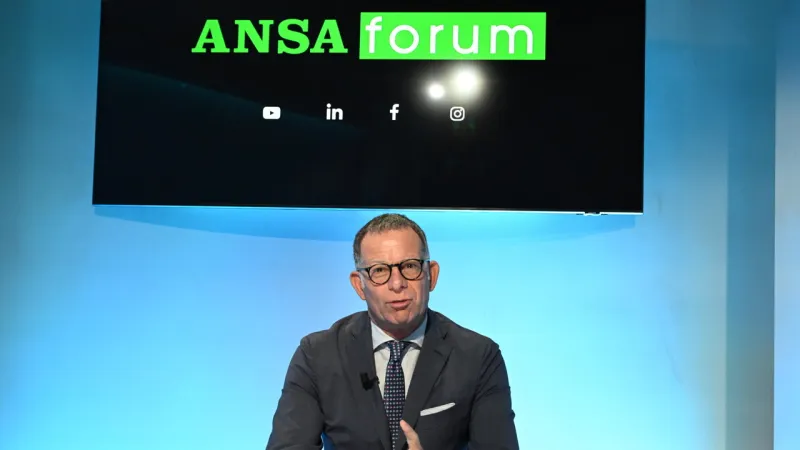
Gabriele Fava, President of Italy's national social security institute (INPS), recently affirmed the system's robust financial health during a prominent forum hosted by ANSA. Fava underscored INPSs proactive stance, stating the institution is diligently preparing for the multifaceted demographic and economic shifts projected over the next two decades.
"The system is solid, and we are working on the challenges of the next 20 years," Fava declared, offering reassurance regarding the stability of Italy's pension and welfare mechanisms. This assertion aims to quell any public anxieties about the long-term viability of social benefits in a rapidly evolving societal landscape.
Fava further articulated INPSs strategic transformation, envisioning the institute as evolving into a dynamic welfare workshop. This conceptual shift signifies an embrace of innovation, aiming to adapt and expand services beyond traditional pension management to address the comprehensive needs of citizens.
A primary challenge lies in Italy's demographic trajectory, characterized by an aging population and declining birth rates. This trend places increasing pressure on a pay-as-you-go social security model, necessitating strategic adjustments to maintain intergenerational equity and financial equilibrium.
Economic fluctuations and the emergence of new forms of work, often characterized by precarious employment or self-employment, also demand INPSs attention. The institute must recalibrate its contribution and benefit structures to ensure inclusivity and adequate protection for all workers, regardless of their employment status.
Leveraging advanced technology stands as a crucial pillar in INPSs modernization efforts. Digital transformation promises enhanced service delivery, streamlined administrative processes, and more personalized support for beneficiaries. This includes the potential application of data analytics to forecast needs and optimize resource allocation.
These internal reforms coincide with broader governmental initiatives aimed at securing Italy's future stability and prosperity. The ongoing parliamentary discussions surrounding comprehensive policy measures, such as the recently enacted security bill, demonstrate a concerted national effort to fortify the country's institutional frameworks.
Beyond pensions, INPS increasingly functions as a multifaceted provider of social assistance, encompassing unemployment benefits, family support, and disability allowances. The welfare workshop concept underpins an ambition to make these services more integrated, accessible, and responsive to individual circumstances.
Fava emphasized that the institution cannot remain static. Its evolution necessitates constant innovation in service design and delivery, allowing it to proactively anticipate and mitigate emerging social risks rather than merely reacting to them. This proactive stance defines the future of the Italian welfare system.
Maintaining public trust remains paramount for INPS. Transparent communication about its financial health, strategic objectives, and operational efficiencies will be crucial in garnering public and political support for the necessary reforms and adaptations.
The success of INPSs transformation also hinges on effective collaboration with other state bodies, local administrations, trade unions, and private sector entities. A holistic approach is essential to address the complex challenges of modern welfare provision.
Fava concluded his remarks by reiterating INPSs long-term commitment to safeguarding the welfare of all Italian citizens. The vision extends beyond mere sustainability, aiming for a system that is not only financially sound but also adaptable, equitable, and effective in promoting social cohesion for decades to come.