 Chandra Wijayanto
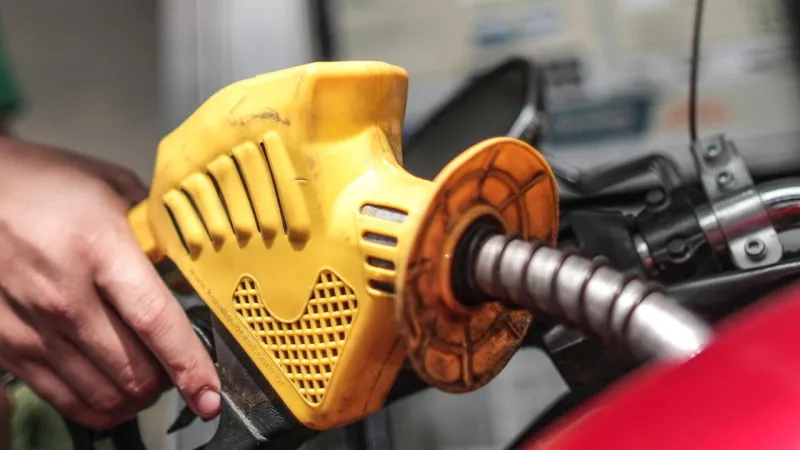
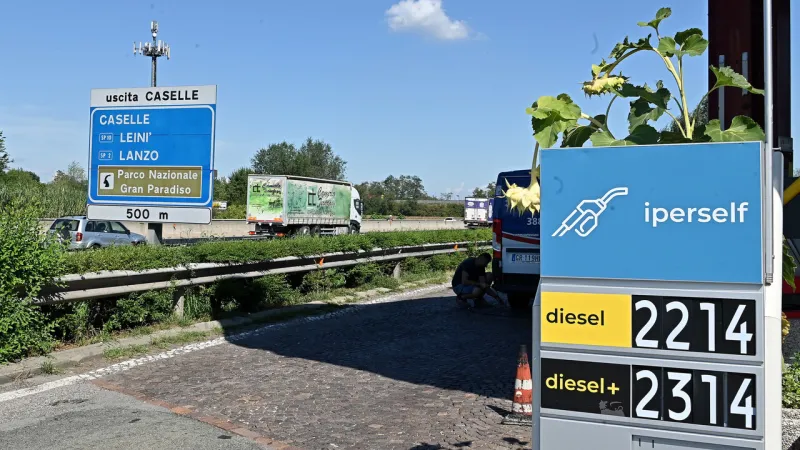
ROME - Italian consumers are grappling with a significant surge in gasoline prices, which have now climbed past 2 euros per liter, marking the highest levels recorded since September 2023. This unwelcome escalation at the pumps casts a shadow over household budgets and the broader economy, raising concerns about inflationary pressures.
The crossing of the 2-euro threshold represents more than just a numerical benchmark; it signals a tangible increase in the cost of living for millions. For the average Italian driver, this translates to considerably higher expenses for daily commutes, essential travel, and leisure activities, forcing many to re-evaluate their transportation habits.
The current price hike follows a period of relative volatility but has consistently trended upward since early 2024. Analysts point to a confluence of factors contributing to this ascent, including tightening global oil supplies, geopolitical tensions impacting major producing regions, and a weakening euro against the US dollar, which makes dollar-denominated crude oil more expensive for European importers.
Economists warn that sustained high fuel prices could impede Italy's economic recovery. Transport costs are a fundamental component for businesses across all sectors, from manufacturing to agriculture and retail. Increased fuel expenditures for commercial fleets inevitably translate into higher prices for goods and services, exacerbating inflationary spirals.
Consumer associations have voiced their alarm, calling for potential government intervention to mitigate the impact. "Families are already stretched thin by rising food costs and utility bills," stated a spokesperson for Assoutenti, a prominent consumer rights group. "This jump in gasoline prices could push many to a breaking point."
Italy is not alone in facing these energy challenges. Across Europe, nations are contending with elevated energy costs, a lingering effect of various global disruptions. This situation mirrors concerns seen in other parts of the continent, where consumers face soaring winter prices for other energy sources, highlighting a broader continental vulnerability.
While the Italian government has yet to announce specific measures in response to the latest surge, officials are reportedly monitoring the situation closely. Past administrations have occasionally resorted to temporary excise duty cuts or other fiscal levers to alleviate price pressures, but such interventions are often contentious due to their impact on state revenues.
The global crude oil market remains a primary driver. Demand, particularly from emerging economies, continues to grow, while OPEC+ nations have maintained a disciplined approach to production quotas. This delicate balance between supply and demand, coupled with speculative trading, keeps upward pressure on benchmark oil prices like Brent crude.
Beyond international dynamics, domestic factors also play a role. Italy's fuel taxation structure includes a significant portion dedicated to excise duties and VAT, which contributes substantially to the final pump price. Any relief efforts would likely necessitate a review of these fiscal components.
The tourism sector, a cornerstone of the Italian economy, could also feel the pinch. Higher travel costs, whether for domestic car travel or for international visitors renting vehicles, could deter some tourists, potentially affecting local businesses that rely heavily on seasonal patronage.
This renewed focus on high gasoline prices also reignites discussions surrounding sustainable transportation and the transition to electric vehicles. While the upfront cost of EVs remains a barrier for many, the escalating price of traditional fuel could accelerate the shift for a segment of the population, assuming adequate charging infrastructure and incentives.
Analysts provide a mixed outlook for the coming months. While some anticipate a stabilization or slight moderation if global economic growth slows, others caution that ongoing geopolitical instabilities or further production cuts could drive prices even higher. Consumers are advised to anticipate continued volatility.
Ultimately, the sustained period of elevated gasoline prices since September 2023 underscores a persistent challenge for Italy, forcing both individuals and industries to adapt to a more expensive energy landscape.