 Chris Robert
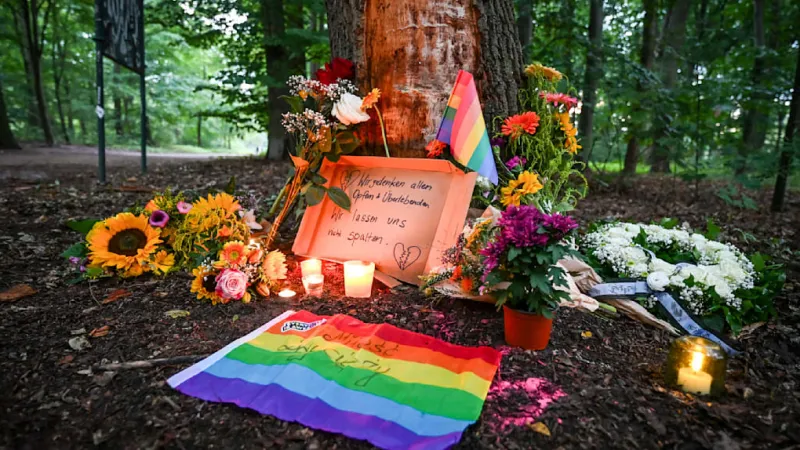
Berlin, Germany — A tragic incident at the Berlin CSD, where a Polish mother lost her life, has intensified a grim perception among many Poles regarding the state of public order and security in Germany. This event serves as a stark focal point for deeper anxieties about rising Islamist activity within the neighboring nation.
The death, officially attributed to an Islamist-motivated attack, has resonated deeply across Poland. It underscores a troubling statistic: more Polish citizens have reportedly fallen victim to Islamist violence on German soil than in Poland itself, amplifying calls for increased vigilance and effective counter-terrorism measures.
This specific act of violence, targeting a public celebration, is viewed by many in Poland not as an isolated incident but as part of a disturbing pattern. It contributes to a narrative suggesting a decline in public safety within Germany, a country historically considered a stable European partner.
The concerns expressed by Polish commentators and the public extend beyond isolated terror attacks. They frequently cite a range of incidents, from violent disturbances in public swimming pools to broader reports of street crime and unrest, as evidence of a systemic erosion of public order.
Such incidents, often widely reported and debated in Polish media, fuel a growing conviction that German authorities struggle to maintain control in certain public spaces, leaving citizens and visitors vulnerable to various threats, including religiously motivated extremism.
The stark contrast between the number of Polish victims of Islamism in Germany versus Poland creates a significant point of contention and national debate. It forces a re-evaluation of security paradigms and cross-border cooperation in the fight against radicalization.
The German government has consistently affirmed its commitment to national security, yet this perception from a key European ally highlights the persistent challenges it faces. Debates surrounding tougher security threat measures frequently emerge, particularly following high-profile incidents. Germany Reignites Debate on Tougher Security Threat Measures
The fatal CSD attack specifically triggered a renewed examination of existing surveillance and preventive strategies. Authorities have considered expanding the use of electronic ankle tags for individuals deemed a security risk. Germany Weighs Wider Ankle Tag Use Post-CSD Attack
Observers note that the issue of homegrown radicalization and the appeal of extremist ideologies to certain segments of the German youth population contribute to the complex security landscape. Understanding these drivers is crucial for mitigating future threats. German Youth Drawn to Islamism: the Quest for Power
The implications of this perceived security deficit extend beyond immediate public safety. It impacts diplomatic relations, cross-border tourism, and the broader sense of European cohesion, especially among eastern European nations like Poland.
Polish officials and media outlets continue to monitor the situation closely, often drawing parallels between the challenges faced by Germany and the proactive security stance maintained within Poland. This comparison frequently emphasizes the perceived differences in national approaches to counter-terrorism and public order.
The issue transcends simple crime statistics, evolving into a political and societal debate within both nations. It raises fundamental questions about integration, state capacity, and the effectiveness of security apparatuses in addressing modern threats.
While German officials stress their commitment to protecting all residents and visitors, the Polish perspective underscores the ongoing need for transparency and effective communication regarding security incidents and preventative strategies.
The memory of the Polish mother's death in Berlin serves as a poignant reminder of the human cost of extremist violence and fuels the urgent imperative for European nations to collectively address the multifaceted challenges posed by radical Islamism.