 Chandra Wijayanto
BERLIN — Friedrich Merz, leader of Germany's center-right Christian Democratic Union (CDU), has issued a forceful demand for a comprehensive investigation into the systemic failures that allowed a recent fatal Berlin attack to occur. The incident, which claimed the life of a Polish national, has reignited intense debate over national security, particularly following a poignant claim from the attacker's father that his son had been brainwashed.
Merz underscored the imperative for authorities to thoroughly scrutinize the events leading to the tragedy, emphasizing the public's right to comprehend how such an act could transpire in the heart of the capital. His statement reflects growing political pressure to address persistent security concerns.
The victim, identified as an individual originally from Poland, succumbed to injuries sustained during the assault. Their nationality has added another layer to the international implications of the attack, prompting condolences from Warsaw.
In a startling revelation, the father of the alleged assailant voiced a deeply troubling accusation, stating, "He was brainwashed." This assertion immediately raises questions about the influences and ideologies potentially shaping the perpetrator's actions, shifting focus towards radicalization pathways.
The claim of brainwashing, if substantiated, could point to extremist indoctrination or manipulation, a phenomenon increasingly scrutinized by intelligence agencies across Europe. It complicates the narrative beyond individual culpability, suggesting external forces at play.
This latest incident contributes to a troubling pattern of attacks in Berlin, which have previously sparked fervent discussions about public safety and the efficacy of counter-terrorism measures. Political figures and experts have frequently debated the state's capacity to prevent such acts.
The call from Merz for a deeper understanding echoes sentiments from other German politicians who have criticized what they perceive as a denial of the extremist threat. For example, commentators like Ahmad Mansour have sharply condemned certain political stances on Islamism and policing in Berlin, labeling them "sheer madness." This critical commentary underscores a significant ideological divide within Germany on how to best tackle such threats.
Merz's insistence on understanding "how it could have happened" transcends mere criminal investigation, suggesting a need to examine intelligence gathering, surveillance protocols, and the integration policies designed to prevent radicalization. The focus is on preemptive measures and identifying vulnerabilities within the system.
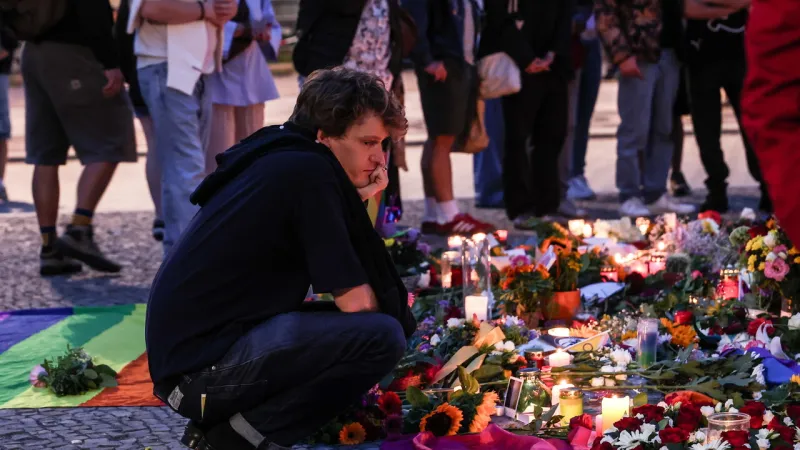
Previous high-profile incidents, including the Berlin CSD Attack, have demonstrated the public's diminishing trust in the authorities' ability to protect citizens from ideologically motivated violence. These events amplify the urgency of Merz's demand for transparency and effective counter-strategies.
The father's brainwashing claim naturally leads to speculation about the role of online radicalization, a pervasive challenge for law enforcement worldwide. Extremist groups leverage digital platforms to disseminate propaganda and groom vulnerable individuals, making detection and intervention increasingly complex.
The tragic loss of a Polish national in the Berlin attack has also drawn international attention, with officials from both Germany and Poland likely engaging in diplomatic dialogue to address the incident and its broader implications for bilateral security cooperation.
Merz's remarks are expected to influence upcoming legislative debates concerning Germany's internal security architecture. The incident could catalyze new policy initiatives aimed at bolstering counter-terrorism efforts and enhancing community resilience against extremism.
German authorities face a complex task in unraveling the full scope of the attack, balancing the need for justice for the victim with understanding the underlying causes of radicalization and implementing robust measures to safeguard the populace from future threats. The global community watches closely as Berlin grapples with these profound questions of security and societal cohesion.