 Chris Robert
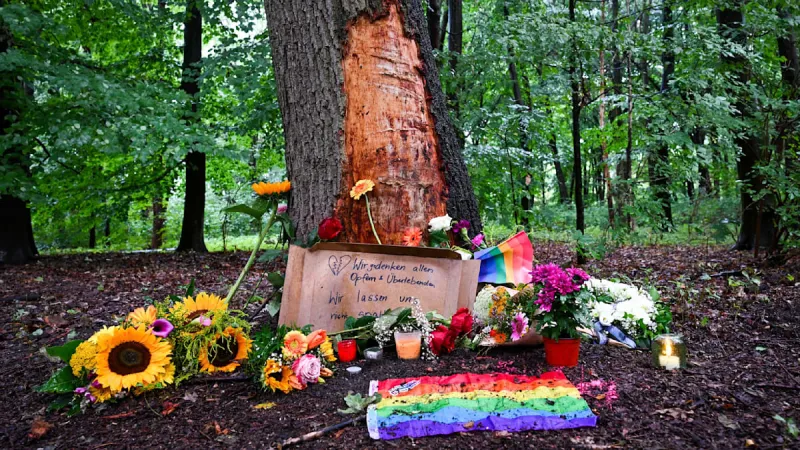
Berlin – The Islamist-motivated attack that targeted the Berlin Christopher Street Day (CSD) parade has catalyzed a significant shift in German political discourse, prompting escalating demands for stringent legal consequences and a more direct confrontation with extremist ideologies. The incident, which occurred recently in the capital, has intensified scrutiny on the nation's approach to domestic radicalism and public safety.
Public and political figures are increasingly vocal, asserting the urgent necessity to cease minimizing the Islamist threat. This sentiment reflects a growing impatience with what many perceive as an inadequate response to the insidious nature of radicalization within German borders.
Calls for action are not merely confined to enhanced policing or intelligence gathering. They extend into the realm of legal reforms, aiming to provide authorities with more robust tools to deter, identify, and prosecute individuals involved in or sympathetic to Islamist terror networks.
The incident at the Berlin CSD, a vibrant celebration of LGBTQ+ rights, underscored the vulnerability of public events to such acts of violence. It also brought into sharp relief the ideological underpinnings of these attacks, compelling a renewed focus on prevention strategies that address the root causes of radicalization.
Political leaders from across the spectrum have begun to acknowledge the critical need for a more candid and uncompromising stance against elements that propagate extremist narratives. This emerging consensus signifies a potential turning point in how Germany confronts internal security challenges.
Observers note a palpable change in tone, moving away from past reluctance to explicitly name and condemn Islamist extremism as a distinct and present danger. This pivot is seen as essential for developing effective counter-terrorism policies.
Security experts and counter-terrorism analysts emphasize that the threat is complex, requiring a multifaceted approach that combines intelligence, law enforcement, and societal integration efforts. The focus remains on safeguarding civil liberties while simultaneously protecting citizens from religiously motivated violence.
The attack has also reignited debates about integration policies and the efficacy of current deradicalization programs. Critics argue that more needs to be done to prevent individuals from falling prey to extremist recruitment, especially online.
Some political factions advocate for stricter surveillance measures and a reevaluation of privacy laws in the context of national security. They contend that the gravity of the threat necessitates a recalibration of the balance between individual freedoms and collective safety.
Conversely, civil rights organizations caution against measures that could disproportionately target specific communities or infringe upon fundamental rights. They stress the importance of maintaining democratic principles even in the face of security challenges.
The broader implications of the Berlin CSD attack extend beyond immediate legal ramifications. They touch upon Germany's identity as an open, tolerant society and its resolve to protect those values against internal and external threats.
Recent reports indicate that investigations into the CSD attack suspect, Abdul B., have revealed extensive connections to ISIS and prior involvement in extortion and brawls, underscoring the severe and organized nature of the threat. This information further fuels the demands for decisive action, moving past what some characterize as a reluctance to acknowledge the full scope of the problem. For more on the suspect, see: Berlin CSD Suspect Abdul B.: ISIS Links, Extortion, Brawls Revealed.
Officials stress the importance of community engagement and educational initiatives as vital components of a comprehensive strategy. Building resilience within communities is seen as crucial to counter radical narratives and foster social cohesion.
The incident serves as a stark reminder of the global nature of extremist ideologies, even as it highlights specific vulnerabilities within national contexts. Germany's response will undoubtedly be watched closely by international partners grappling with similar security dilemmas.
The political will to implement significant changes appears to be solidifying. The challenge lies in translating these demands into concrete, effective policies that address the complexities of combating ideological extremism without compromising societal values. The call to end the sugarcoating of the Islamist threat marks a pivotal moment in Germany's ongoing struggle against terror. The broader context of rising vehicular attacks in Germany is also a concern, as discussed in Germany Confronts Deadly Surge in Vehicular Attacks.
The police response to the attack and the neutralization of the assailant have been praised, showcasing the rapid and effective action of security forces in crisis. This aspect provides a degree of reassurance regarding operational capabilities, even as the policy debate intensifies on prevention. For more on the police response, refer to: Berlin Police Hailed After Deadly Attack Suspect Fatally Shot.