 Stefani Rindus

Berlin — German special forces decisively intervened following a deadly attack in the capital, fatally shooting the suspected assailant during an operation. The swift action by the Special Deployment Commando, known as SEK, came after the individual was cornered, an intervention that has since garnered significant commendation for its effectiveness in neutralizing a clear and present danger.
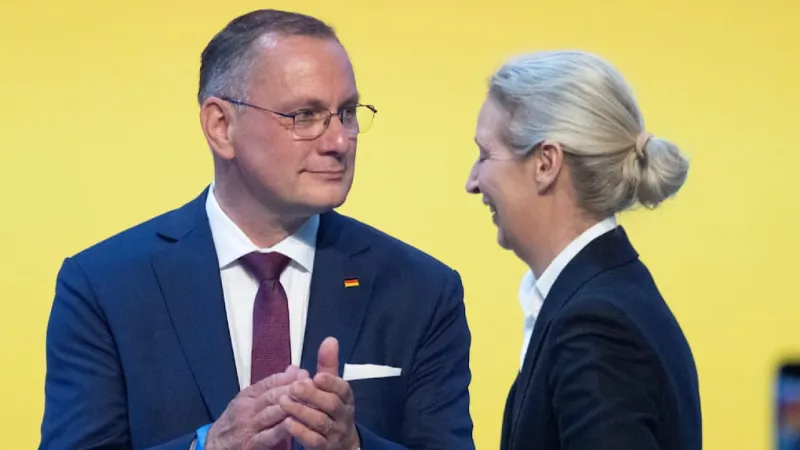
Heiko Teggatz, Chairman of the German Police Union (DPolG) for the federal police, lauded the Berlin Police for their exemplary performance. He asserted that the police achieved something magnificent in their response, emphasizing the critical role of well-trained and equipped units in handling severe threats to public safety.
Teggatz drew a poignant parallel between the recent incident and the devastating 2016 Anis Amri truck attack on a Christmas market in Berlin, which occurred a decade prior. He suggested that the lessons learned from that earlier tragedy, which saw 12 people killed, informed the current, more effective police strategy, highlighting a significant evolution in counter-terrorism response protocols.
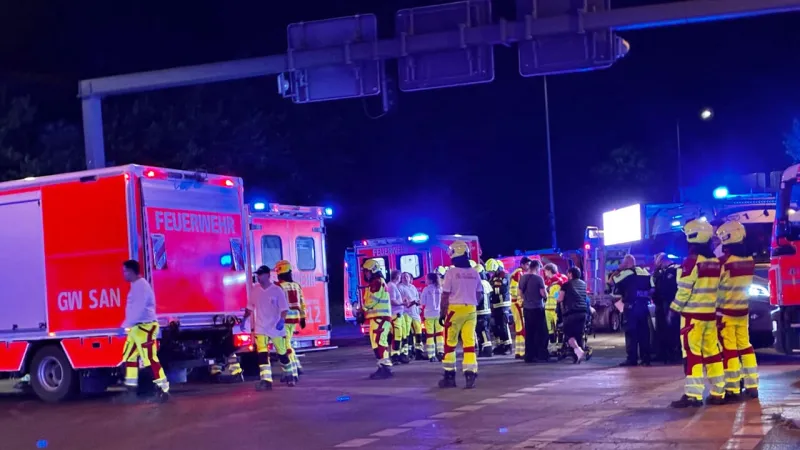
The suspect's neutralization followed an assault, widely reported to be the deadly Berlin Pride Attack, which sent shockwaves through the city. Authorities moved rapidly to identify and apprehend the individual responsible, showcasing a heightened sense of urgency and coordination.
Details emerging about the assailant, believed to be Abdul Balut, have painted a disturbing picture, with reports indicating ISIS links, a history of extortion, and involvement in brawls. The individual was cornered and killed by SEK officers in the Spandau district, as detailed in reports such as Berlin CSD Terror Suspect Abdul Balut Fatally Shot in Spandau.
The incident has ignited fresh debates concerning public safety and the proactive policing powers necessary to combat evolving threats. Political figures, including those from the Green Party, had previously demanded decisive action post-CSD attack, echoing sentiments found in articles like Berlin Green Leader Demands Decisive Action Post-CSD Attack.
The successful operation underscores the German authorities' commitment to a robust security posture. Unlike previous criticisms regarding intelligence sharing and response times, this intervention appears to have been seamless, preventing further potential harm. The rapid identification and tracking of the suspect illustrate improved inter-agency cooperation.
Security experts have previously highlighted systemic vulnerabilities that terror attacks exploit, as noted in analyses such as Terror Expert: Berlin Attack Exploited Systemic Vulnerabilities. The current police action, however, suggests a significant closing of these gaps, demonstrating an enhanced capacity to respond effectively to high-stakes situations.
The DPolG chairman further elaborated on the necessity of providing law enforcement with all requisite tools and legal frameworks to prevent and respond to such acts of violence. This includes not only advanced training and equipment but also the legislative support to implement swift and decisive measures.
Calls for a strengthening of proactive policing powers have gained momentum in the wake of the terror incident. Legislators like Lindh have been vocal about the need for authorities to be better equipped to prevent future attacks, a sentiment reflected in the article Lindh: Berlin Terror Spurs Demand for Proactive Policing Powers.
The incident, while tragic in its initial toll, serves as a stark reminder of the persistent threat of extremism. However, the coordinated and effective police response offers a degree of reassurance to a public increasingly concerned about domestic security challenges.
The ongoing investigation will undoubtedly scrutinize every aspect of the attack and the subsequent police operation. Transparency and accountability remain paramount as authorities piece together the full narrative, ensuring public trust in the security apparatus.