 Stefani Rindus
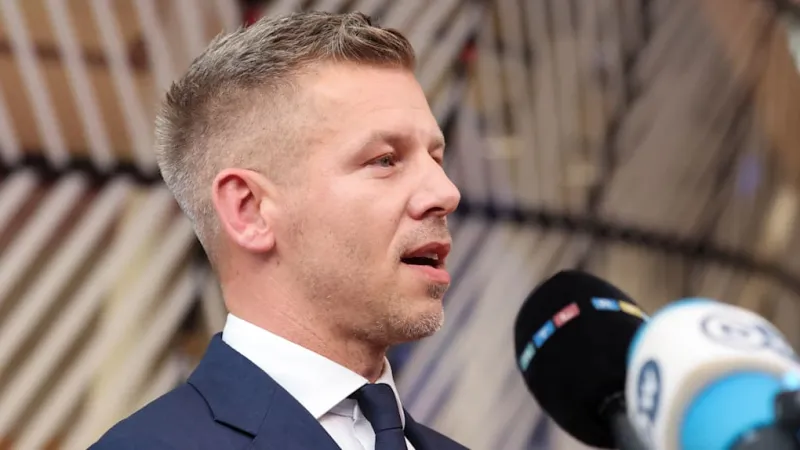
BUDAPEST – Péter Magyar, Hungarys newly appointed Prime Minister, has launched a sweeping initiative dubbed "Operation Cleansing Fire," pledging to dismantle systemic corruption and introduce a new constitution. The bold declaration, made as he assumed office, aims to free the nation from what he termed "the captivity of the mafia," targeting entrenched interests and officials appointed by the previous administration.
Magyar unveiled his ambitious reform agenda, central to which is the establishment of a specialized agency dedicated to investigating and prosecuting graft dating back to the tenure of his predecessor. This move signals a decisive break from past practices, asserting a commitment to transparency and accountability in public life.
The Prime Minister articulated a vision for a revitalized state apparatus, emphasizing that the comprehensive restructuring would extend beyond mere investigations. He intends to reconfigure key government functions and judicial oversight, ensuring that future governance adheres to stricter ethical standards.
A cornerstone of Operation Cleansing Fire involves the dismissal of high-ranking public servants and judicial appointees who rose to power under the previous government. Magyar contends that these individuals are deeply implicated in the systemic issues he aims to eradicate, necessitating a thorough overhaul of leadership.
Speaking passionately about the imperative for change, Magyar stated, "We are freeing our country from the captivity of the mafia." This powerful statement underscores the depth of his conviction and frames his reforms as a liberation movement for the Hungarian populace.
The announcement has reverberated across the political landscape, eliciting a spectrum of reactions from domestic observers and international partners. Supporters laud the Prime Minister's resolve, viewing it as a long-overdue rectification of perceived abuses of power.
Critics, however, express caution, questioning the scope and potential ramifications of such a radical governmental restructuring. Concerns have been raised regarding due process for dismissed officials and the stability of institutional continuity during a period of extensive reform.
Magyar's ascent to the premiership followed a period of significant political ferment in Hungary, marked by growing public discontent over allegations of corruption and a perceived erosion of democratic norms. His mandate appears to be rooted in a widespread desire for fundamental change.
The proposed new constitution represents another monumental undertaking within Operation Cleansing Fire. Details remain sparse, but it is expected to embed stronger checks and balances, reinforce judicial independence, and redefine the powers of the executive branch.
International organizations and monitoring bodies will undoubtedly observe Hungarys transformation closely. The success of Magyars anti-corruption efforts and constitutional reforms could significantly influence the nations standing within the European Union and its broader global relations.
The reforms come at a critical juncture for Hungary, which has often faced scrutiny regarding rule of law and democratic backsliding from Brussels. Magyar's agenda could either bridge or widen the chasm between Hungary and its Western allies, depending on its implementation.
Observers are particularly keen to see how the new anti-corruption agency will operate. Its independence, investigative powers, and ability to prosecute without political interference will be paramount in establishing its credibility and achieving its stated objectives.
Historical precedents for such sweeping reforms in post-communist Eastern European nations vary widely, with some leading to significant democratic gains and others encountering substantial resistance or unintended consequences. Hungarys path will be unique, yet informed by these complex experiences.
The Prime Minister's administration faces the formidable challenge of implementing these changes while maintaining governmental stability and public confidence. The coming months will test the resolve and political acumen of Péter Magyar and his nascent government.