 Debby Wijaya
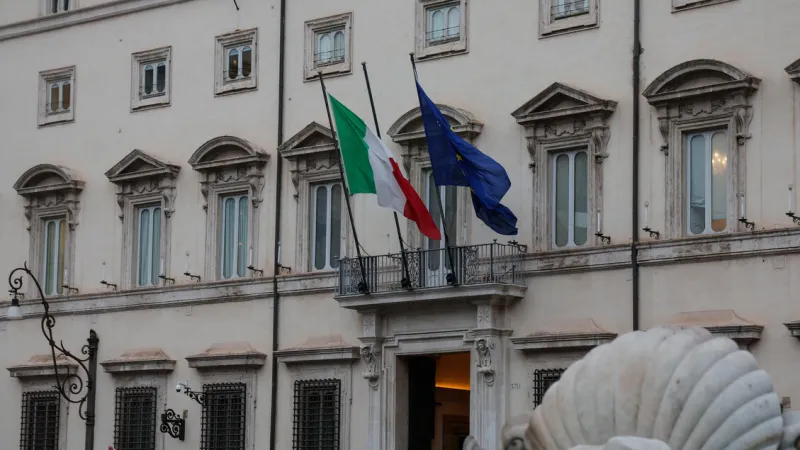
Rome – Italian Economy Minister Giancarlo Giorgetti announced today in the Chamber of Deputies that new measures concerning excise duties would proceed via ministerial decree rather than requiring a full Cabinet Council meeting. Addressing lawmakers during a parliamentary Question Time session, Giorgetti underscored the government's cautious approach to utilizing fiscal flexibility, stating the imperative to avoid any missteps.
The minister's declaration clarifies a procedural pathway for significant financial adjustments. Opting for a ministerial decree bypasses the more extensive deliberations typically associated with a full Cabinet decision, suggesting a more streamlined, albeit equally impactful, administrative route for fiscal policy implementation.
Question Time serves as a vital democratic mechanism where ministers face direct inquiries from parliamentarians, holding the executive accountable. Today's session saw Giorgetti address a spectrum of fiscal questions, with particular focus on the nation's revenue strategies. Top Italian Ministers Confront Parliamentary Scrutiny During Question Time frequently highlights the rigor of these sessions.
“We will calmly evaluate how to use flexibility, we cannot make mistakes,” Giorgetti asserted. This statement resonated throughout the Chamber, reflecting a prevailing sentiment within government circles about the delicate balance between economic stimulus and fiscal prudence.
The concept of fiscal flexibility holds significant weight in the current global economic climate, allowing governments to adapt their spending and taxation policies to unforeseen challenges or opportunities. Italy, like many European nations, navigates these waters under the watchful eye of European Union budgetary frameworks.
The decision regarding excise duties, typically taxes levied on specific goods such as fuel or tobacco, directly impacts consumer prices and government revenue. Managing these levies through a decree offers agility in response to market fluctuations or budgetary needs.
Giorgetti's emphasis on avoiding errors points to the high stakes involved in national economic management. Any miscalculation could have ripple effects on inflation, public debt, or investor confidence. This sentiment echoes previous warnings about the necessity of precision. Italy's Giorgetti: No Room for Error on Fiscal Flexibility has been a recurring theme in his public remarks.
This fiscal approach aligns with the broader economic agenda of the Italian government in 2026, which prioritizes stability and sustainable growth. The emphasis is on strategic interventions that do not destabilize the national budget.
While a ministerial decree streamlines the process, it still operates within established legal and administrative frameworks. The parliament retains oversight functions, ensuring that such decrees adhere to constitutional principles and legislative intent.
Observers will closely monitor the specific content of the impending ministerial decree, anticipating how these excise duty adjustments might influence various sectors of the Italian economy. The government's ability to maintain public confidence through transparent and effective policy will be paramount.
Changes to excise duties can directly affect the cost of living for Italian citizens. The government's careful evaluation implies a consideration of the social and economic impact on households and businesses.
Italy's fiscal decisions are often scrutinized within the larger European Union context, particularly concerning debt-to-GDP ratios and compliance with the Stability and Growth Pact. Giorgetti's remarks implicitly acknowledge this external scrutiny.
Economic analysts often highlight the importance of timely and decisive action in fiscal policy, provided such actions are well-considered and based on robust data. The move towards a ministerial decree for excise duties can be seen as an effort to achieve this efficiency.
The use of ministerial decrees for specific financial measures is not unprecedented in Italy. Governments frequently employ such tools to implement policies that fall within ministerial competencies, thus accelerating the administrative process.
The exact timeline for the promulgation of the ministerial decree remains to be detailed, but its announcement during parliamentary Question Time signals its imminent preparation and implementation. The minister's proactive communication aims to set expectations.