 Edward DP Situmorang
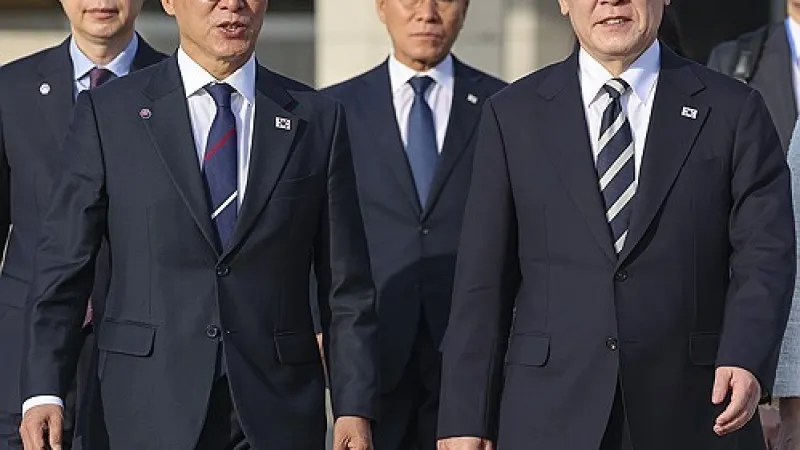
SEOUL, Nov. 16 – President Lee Jae Myung departed Monday on a four-day diplomatic mission, attending the Association of Southeast Asian Nations (ASEAN) summit in Manila and the Asia-Pacific Economic Cooperation (APEC) leaders meeting in Shenzhen. The high-stakes visit aims to bolster regional economic cooperation, advocate for South Korean interests, and address pressing geopolitical challenges across Asia and beyond.
This crucial trip underscores South Koreas commitment to deepening its engagement with key regional partners amidst an evolving global economic landscape. Both summits represent vital platforms for fostering multilateral dialogue and forging consensus on issues paramount to collective prosperity and stability.
At the ASEAN summit in Manila, President Lee is expected to emphasize initiatives promoting sustainable development, digital transformation, and resilient supply chains within Southeast Asia. Discussions will likely revolve around strengthening trade frameworks and enhancing investment flows, crucial for post-pandemic recovery.
The subsequent APEC leaders meeting in Shenzhen will focus on broader Asia-Pacific economic integration. President Lee will advocate for open trade, innovation-driven growth, and policies that support inclusive development across the 21 member economies. The agenda also includes discussions on environmental sustainability and energy security.
The global economic environment, marked by persistent inflation and geopolitical uncertainties, lends particular urgency to these diplomatic efforts. South Korea, as a major trading nation, relies heavily on stable regional markets and robust international cooperation to sustain its growth trajectory.
Analysts suggest that President Lee will also engage in bilateral meetings on the sidelines of both summits, seeking to reinforce strategic partnerships and resolve potential trade friction. These discussions are pivotal for maintaining strong diplomatic ties and fostering mutual trust among nations.
Domestically, the administration faces an ongoing imperative to navigate complex economic conditions, including challenges within key industries. Enhancing international trade and securing new export markets through these summits could provide vital impetus, as explored in discussions around the South Korea Industry Crisis.
Geopolitical stability in the Indo-Pacific region will also feature prominently in the discussions. While not the primary focus, leaders often use these forums to address shared security concerns, maritime issues, and the need for peaceful conflict resolution, which indirectly impacts economic confidence and investment.
President Lees diplomatic push aligns with South Koreas broader strategy to diversify its economic partnerships and enhance its influence as a responsible global actor. The nations technological prowess and advanced manufacturing capabilities position it as a key contributor to regional economic dynamism.
Participation in these high-level forums allows South Korea to shape the regional agenda, ensuring that its perspectives on trade, technology, and security are heard and integrated into multilateral declarations. Such engagement is critical for advancing national interests on a global stage.
The outcomes of these summits, including any joint declarations or economic agreements, will be closely watched by international observers and financial markets. Positive developments could contribute to increased investor confidence and a more predictable trade environment, potentially influencing trends such as those noted in Seoul Stocks Edge Up Amid Nvidia Anticipation.
The presidential delegation includes key cabinet ministers and senior advisors, reflecting the comprehensive nature of the mission. Their collective expertise will be instrumental in representing South Koreas diverse interests across economic, technological, and diplomatic spheres.
Ultimately, President Lees trip signifies a proactive stance in navigating the complexities of 21st-century diplomacy. By engaging directly with regional leaders, South Korea aims to reinforce its position as a central pillar of economic cooperation and stability in Asia.