 Robert Andrison
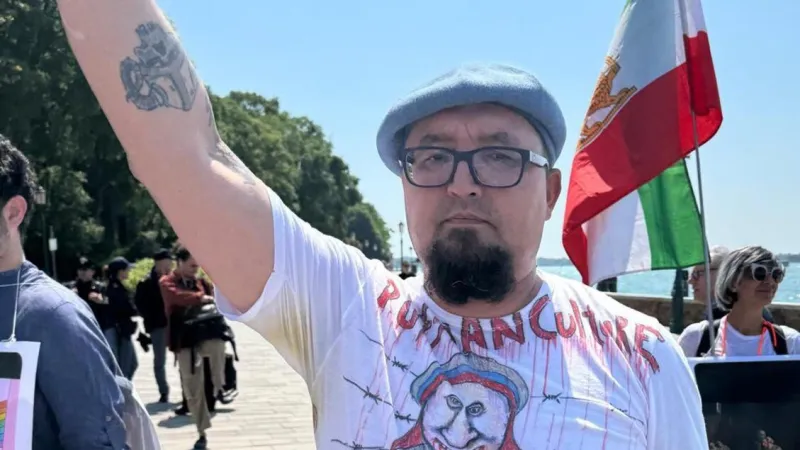
In a development sending shockwaves through the international community, Russian dissident Semyon Skrepetsky was discovered deceased in Poland, with preliminary investigations focusing on the strong possibility of a political execution. Skrepetsky, known for his vocal opposition to the current Russian government and his participation in prominent protests, including those at the Venice Biennale, was found in circumstances suggesting foul play. Polish authorities have launched an intensive inquiry into the suspicious death, which has immediately raised concerns about the safety of Kremlin critics residing abroad.
The shocking discovery of Skrepetsky's body quickly led investigators to consider political motives, given his high-profile activism. His death underscores the perilous environment faced by those who openly challenge the Russian establishment, even when living outside the country's borders. The incident follows a pattern of unexplained deaths and attacks on Russian opposition figures in various European nations over recent years.
Semyon Skrepetsky gained international recognition as a fearless advocate for human rights and democratic reforms within Russia. His involvement in the protests surrounding the Russian pavilion at the Venice Biennale drew particular attention, symbolizing a broader artistic and political dissent against Moscow's policies. These demonstrations served as a platform for artists and activists to express their condemnation of state actions.
Polish law enforcement officials confirmed the initiation of a full-scale criminal investigation. While specific details surrounding the scene of death and forensic findings remain under wraps, sources close to the inquiry indicated the nature of the injuries suggested a deliberate act rather than an accident or natural causes. The investigation aims to uncover not only the perpetrators but also any potential masterminds behind what appears to be a targeted killing.
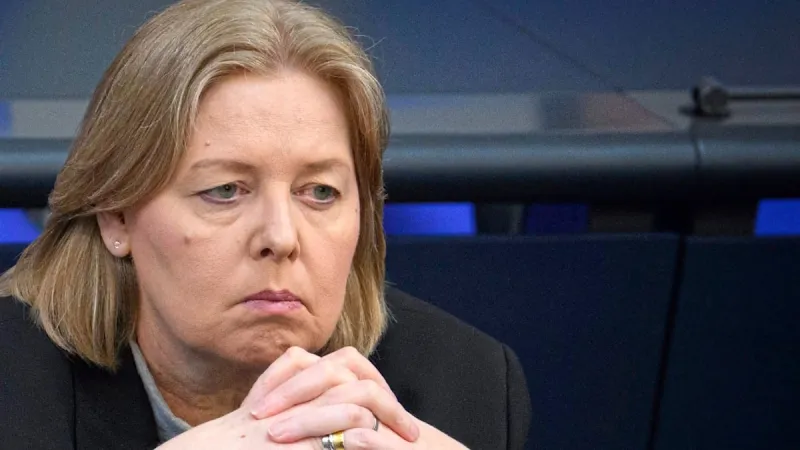
The incident quickly provoked strong reactions from European political circles. An EU Parliament Vice-President, responding to the news, explicitly linked Skrepetsky's death to his involvement in the aforementioned Russian pavilion protest. The official stated, “This tragic event cannot be viewed in isolation. It appears to be a direct consequence of his courageous stance against oppression, particularly evident during the Biennale demonstrations.”
This alarming death reignites urgent discussions among Western intelligence agencies and diplomatic missions about the security of Russian dissidents and exiles. Concerns persist that individuals critical of the Kremlin may be vulnerable to state-sponsored actions or attacks orchestrated by proxy groups, regardless of their geographical location.
Poland’s Foreign Minister, while not directly attributing blame, issued a stern statement emphasizing the nation’s commitment to thoroughly investigating the matter and bringing those responsible to justice. The minister underscored Poland’s unwavering stance as a haven for political refugees and activists, asserting that such acts of violence on Polish soil would not be tolerated.
Observers were quick to draw parallels between Skrepetsky’s death and a series of past incidents involving Russian critics and former intelligence operatives. These historical cases, often shrouded in mystery and complex geopolitical implications, have consistently fueled suspicions of state involvement or retribution.
Skrepetsky’s passing is expected to have a chilling effect on the already beleaguered Russian opposition movement, both domestically and internationally. However, some analysts suggest it could also galvanize further resistance and draw renewed global attention to the plight of political prisoners and dissidents.
Human rights organizations across Europe and North America have vociferously condemned the suspected assassination, demanding a transparent and swift investigation. They called upon international bodies to exert pressure on all relevant parties to ensure accountability and to protect the fundamental rights of political expression and dissent.
The killing of a prominent Russian dissident in a NATO and European Union member state like Poland carries significant geopolitical implications. It could further strain diplomatic relations, particularly between Russia and the West, which are already fraught with tensions over various international issues.
The global community watches closely to see what measures, if any, will be implemented to better safeguard Russian dissidents. The incident serves as a grim reminder that the struggle for political freedom often comes at a steep, sometimes ultimate, price.