 Chris Robert
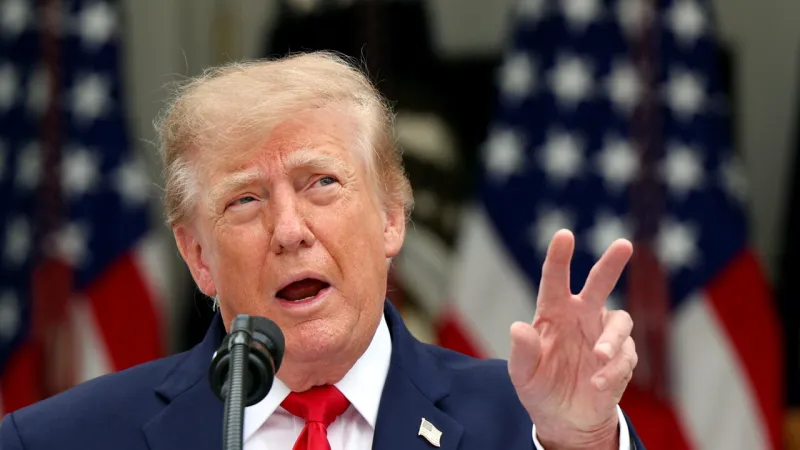
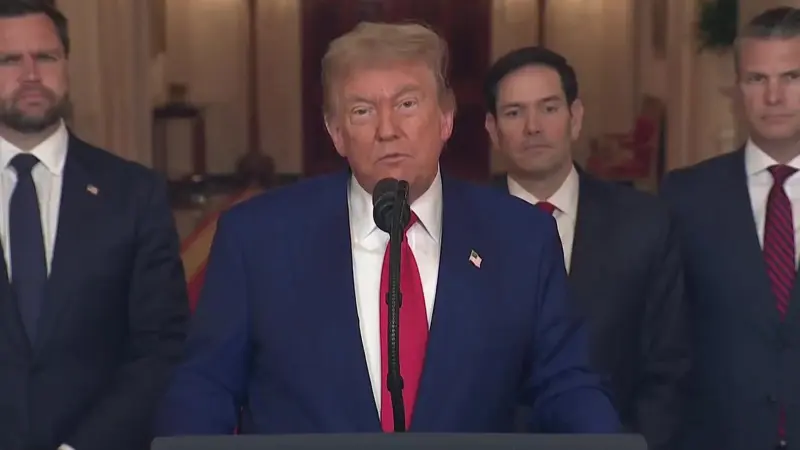
President Donald Trump recently lauded the decision to freeze new sanctions against Russia, characterizing it as an "excellent decision" that he believes will yield positive outcomes for both the United States and the global community. The President's remarks signal a potentially significant shift in diplomatic strategy toward Moscow, diverging from previous postures that emphasized punitive measures.
Speaking on the matter, President Trump stated, "It will be a positive choice for the country and I believe for the whole world." This pronouncement underscores his consistent advocacy for a more conciliatory approach in international relations, particularly concerning geopolitical rivals.
The policy of sanctions against Russia has long been a complex and contentious issue on the international stage. Various measures have been imposed over years, primarily in response to actions such as the annexation of Crimea, alleged interference in democratic processes, and other destabilizing activities in Eastern Europe.
The precise origin or formal announcement of this freeze in new sanctions remains under close scrutiny. While President Trump expressed strong approval, the administrative mechanisms and specific details regarding which sanctions are being paused, and for what duration, are yet to be fully elucidated by official channels.
Observers suggest that such a move could fundamentally reshape the dynamic of US-Russia relations. Proponents of eased tensions argue it could open avenues for dialogue and cooperation on shared challenges, from counter-terrorism to arms control.
Conversely, critics express profound concern, fearing that freezing sanctions might be perceived as a concession or a weakening of international resolve against Russian aggression. They argue that it could embolden Moscow and undermine the collective security framework established by Western alliances.
The geopolitical ramifications extend beyond direct US-Russia engagement. European allies, many of whom have maintained robust sanctions regimes, will closely monitor Washingtons stance. Any significant deviation could prompt a reevaluation of their own foreign policy positions.
President Trumps views on Russia have historically diverged from those of many establishment figures in both major American political parties. He has frequently advocated for improved relations with Russia, emphasizing potential collaborative benefits over confrontational policies.
Economically, a freeze on new sanctions could potentially alleviate some pressures on the Russian economy, which has grappled with the effects of sustained international restrictions. It might also influence global energy markets and trade relationships.
The long-term impact of this decision on global stability and diplomatic efforts to address ongoing conflicts, such as the persistent tensions in Ukraine, remains an open question. Analysts anticipate extensive debate within Congress and among international partners regarding this policy pivot.
Domestically, the announcement is expected to draw a mixed reaction. Supporters of President Trump will likely view it as a pragmatic step towards de-escalation, while political opponents will undoubtedly scrutinize its strategic implications and potential risks.
Many foreign policy experts are calling for greater transparency from the administration regarding the specific conditions, if any, under which this freeze is enacted, and what reciprocal actions, if any, are expected from Russia. The absence of clear parameters could lead to uncertainty and misinterpretation.