 Stefani Rindus
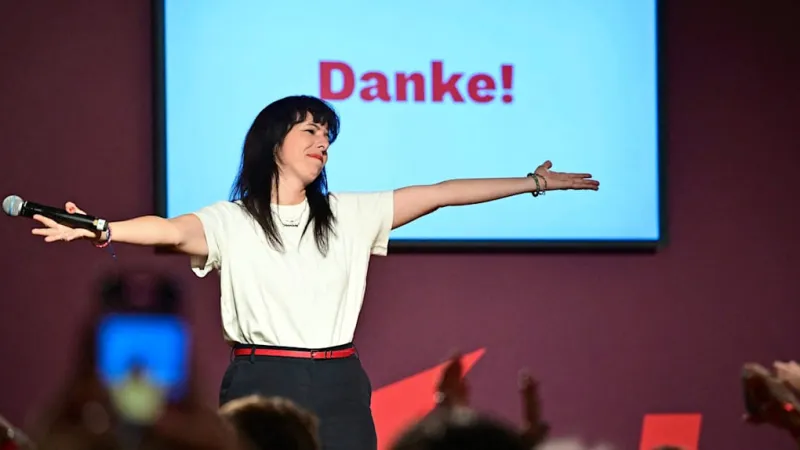
BERLIN – The recent presence of notorious clan leader Issa Remmo at a Left Party election celebration in Neukölln has sent ripples through German political circles, drawing sharp criticism and prompting warnings about future coalition dynamics. The incident has ignited a contentious debate concerning political affiliations and the integrity of democratic processes in the capital.
Issa Remmo, a figure widely associated with organized crime and a prominent family in Berlin's underworld, reportedly joined the post-election festivities, an attendance that quickly became a focal point for media scrutiny and political commentary.
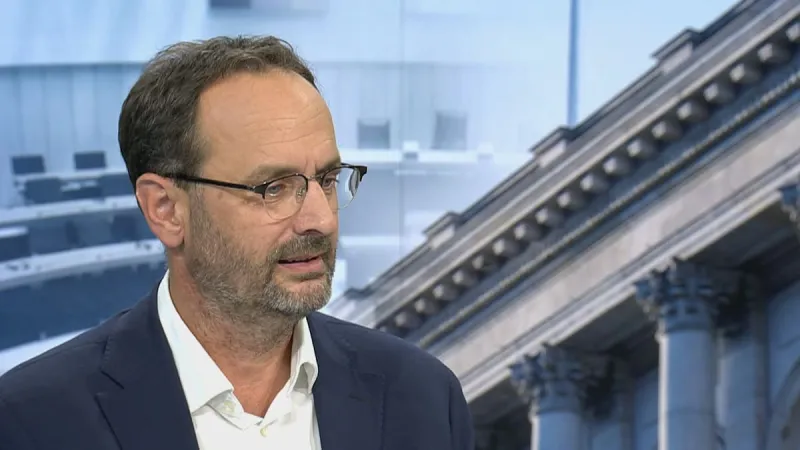
Peter Tiede, chief political author for Bild, voiced immediate concerns, emphasizing the potential ramifications for other political parties. Tiede specifically warned that any future coalition involving the Green Party and the Social Democratic Party (SPD) with The Left would undermine their credibility in opposing the Christian Democratic Union (CDU).
Tiede was quoted suggesting a cynical connection, remarking that Remmo is well-versed in redistribution, implying a link between the clan's illicit activities and the Left Party's political platform, albeit in a highly critical context. This statement underscored the deep skepticism surrounding the interaction.
The Remmo clan has long been a subject of extensive law enforcement efforts in Berlin due to its alleged involvement in a range of criminal activities, including drug trafficking, protection rackets, and spectacular thefts. Their presence often symbolizes the challenges authorities face in combating organized crime within the city.
The Left Party, known for its socialist leanings and often vocal opposition to established power structures, now faces intensified questions regarding its associations. While it is unclear if Remmo was formally invited or merely attended as an individual, his presence at such an event is politically damaging.
This incident adds another layer of complexity to Berlin's already fragmented political landscape. The city, a perennial site for intricate coalition negotiations, often sees various parties grappling for power and influence. Such controversies can significantly complicate post-election bargaining, especially for parties like the SPD, which has experienced its own recent electoral challenges.
Analysts suggest the perceived proximity of a mainstream political party to figures associated with organized crime creates a potent narrative for political opponents. The CDU, for example, could leverage this incident to bolster its arguments against forming alliances with The Left, framing such partnerships as a compromise on law and order principles. More broadly, the Berlin CDU campaign has faced its own challenges, as noted in previous analyses like the one titled Peters: Berlin's Cold Shoulder Doomed CDU State Election Campaign.
The SPD, currently navigating its own political difficulties as highlighted by reports like SPDs Election Woes Expose Deep-Seated Problems, must tread carefully. Aligning with a party facing such scrutiny could further erode public trust and exacerbate their ongoing struggle to maintain voter confidence.
For the Green Party, which often champions progressive values and robust governance, an alliance with The Left under these circumstances could lead to accusations of overlooking critical issues related to public safety and justice.
The incident also reignites a broader public discussion about the integration of specific communities and the presence of parallel societies within German cities. Neukölln, a district known for its diverse population but also for significant socio-economic challenges, frequently finds itself at the center of these debates.
Political commentators are drawing parallels to past instances where questions arose about the boundaries between political engagement and the perceived tolerance of elements outside mainstream societal norms. Such events inevitably lead to calls for greater transparency and stricter ethical guidelines for political parties.
This occurrence challenges The Left Party to articulate clearly its stance on organized crime and to delineate its distance from individuals who embody such notoriety. Their response, or lack thereof, will undoubtedly influence public perception and future political collaborations.
The controversy underscores the precarious balance political parties must maintain between broad electoral appeal and upholding core values, particularly concerning law enforcement and public security. In a political environment increasingly defined by public trust and clear ethical lines, such a visitor casts a long shadow over any party striving for mainstream acceptance and coalition viability.
The political fallout from this event is likely to persist, influencing future political discourse in Berlin and potentially impacting electoral strategies for upcoming municipal and state elections. It serves as a stark reminder of the complexities inherent in urban politics and the constant scrutiny faced by public figures and their associations.