 Angel Doris
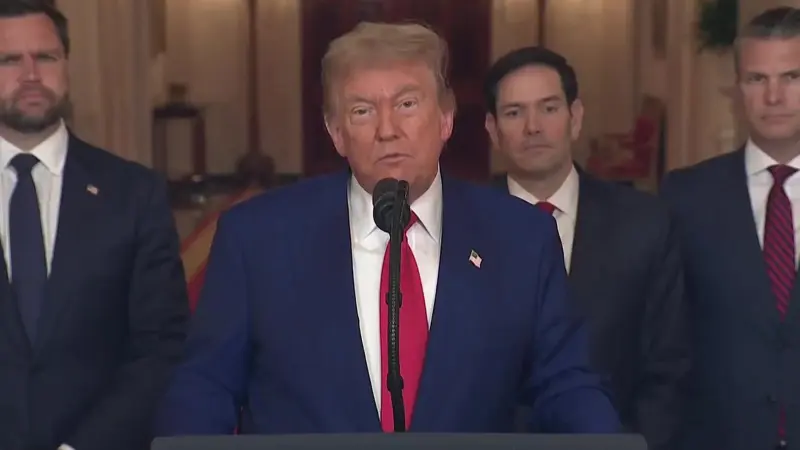
WASHINGTON — The United States and Iran have maintained a sustained pattern of military strikes and counter-strikes across the Middle East in recent weeks, even as President Donald Trump is reportedly considering a new diplomatic overture aimed at de-escalating tensions and securing a comprehensive deal with Tehran by the end of 2026. This dual-track approach underscores the complex and volatile nature of the bilateral relationship, with White House officials confirming internal discussions on potential pathways for dialogue.
The persistent military engagements, primarily targeting proxy forces and infrastructure linked to both nations, have occurred across Syria, Iraq, and maritime routes in the Persian Gulf. These actions follow a period of heightened friction that escalated earlier this year with specific incidents not yet publicly detailed but acknowledged by both US and allied intelligence.
While the Pentagon has consistently characterized US actions as defensive and proportionate responses to threats against American personnel and interests, Iran has asserted its right to regional deterrence against what it terms American aggression. Each strike has been met with immediate condemnation and often a retaliatory measure from the opposing side, perpetuating a cycle of violence.
Against this backdrop of kinetic activity, sources within the administration indicate President Trump has directed his foreign policy team to thoroughly explore opportunities for a negotiated settlement. This unexpected pivot comes after years of a maximally confrontational stance, suggesting a reassessment of strategies in a pivotal election year.
A senior State Department official, speaking on condition of anonymity due to the sensitivity of ongoing deliberations, stated, “The President remains committed to protecting American security interests, but he is also a pragmatist. He is evaluating whether a carefully constructed deal could offer a more stable long-term solution than endless confrontation.”
Key among the proposals reportedly under review is a multi-phased agreement that would address Iran’s nuclear program, its ballistic missile capabilities, and its regional proxy network. Such a deal would likely demand significant concessions from Tehran in exchange for sanctions relief and guaranteed security assurances.
The prospect of a deal has generated considerable debate within Washington. Hawks in Congress and some former national security advisors caution against engaging with Iran, arguing that any agreement would legitimize the current regime and fail to curb its destabilizing activities. They advocate for continued pressure.
Conversely, proponents of diplomacy, including several international relations experts and some European allies, argue that direct engagement is the only viable path to avert a wider conflict. They suggest that the current stalemate merely emboldens hardliners on both sides, making de-escalation increasingly difficult.
Iranian state media has offered a mixed response, with some outlets dismissing the notion of a deal as an American election ploy. Other state-affiliated publications have cautiously hinted at a willingness to engage under specific conditions, primarily the comprehensive lifting of all US sanctions.
Diplomatic channels, though largely out of public view, are understood to involve intermediaries from Oman and Qatar, who have historically played roles in facilitating communication between Washington and Tehran. These back-channel discussions are crucial for gauging genuine interest and potential sticking points.
The challenges to forging an agreement are immense. Deep distrust characterizes the relationship, exacerbated by past withdrawals from international accords and ongoing mutual accusations. Any new deal would require robust verification mechanisms and enforceable commitments from both parties.
Furthermore, regional allies of the United States, particularly Saudi Arabia and Israel, have expressed strong reservations about any US rapprochement with Iran that does not thoroughly dismantle its nuclear infrastructure and curb its ballistic missile program. Their concerns will undoubtedly influence the negotiations.
President Trump’s administration faces the delicate task of balancing domestic political considerations with complex geopolitical realities. A successful deal could be hailed as a major foreign policy achievement, while failure could further entrench animosity and risk broader regional conflagration.
As US and Iran keep up strikes across critical Middle East flashpoints, the internal deliberations within the White House on a potential diplomatic path represent a significant moment for US foreign policy in 2026. The world watches to see if diplomacy can ultimately prevail over escalating conflict.