 Chandra Wijayanto
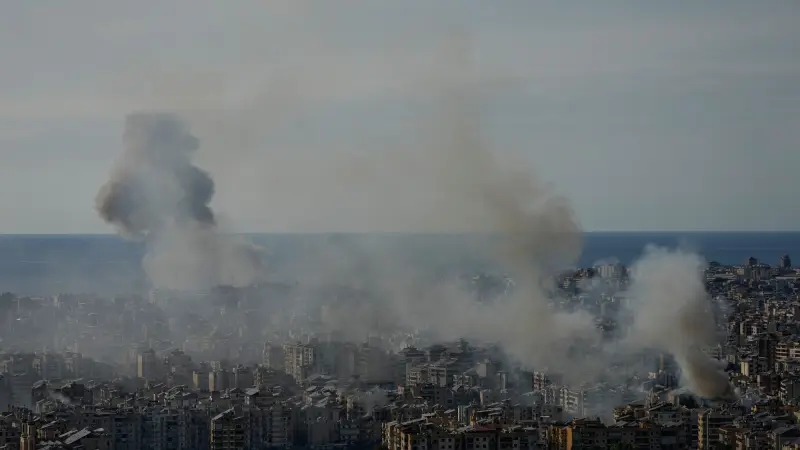
WASHINGTON — A wave of air strikes reported across the Middle East in Syria, Iraq, and Yemen over the past 48 hours has coincided with a severe, government-led clampdown on internal dissent throughout Iran, drastically escalating regional instability in early 2026. This multifaceted crisis emerges amidst growing international concerns regarding maritime security and Tehran's perceived expansionist policies.
Defense officials in Washington, speaking on background, indicated that the precision air strikes were targeting militia groups and infrastructure linked to destabilizing activities. While no nation has formally claimed responsibility for the extensive operations, analysts widely attribute them to a coalition of Western and regional forces aiming to counter persistent threats to shipping lanes and allied interests.
Concurrently, Iranian state media reported numerous arrests and increased security presence in major cities including Tehran, Mashhad, and Esfahan. The actions followed several days of scattered protests over economic hardship and social freedoms, which the regime has swiftly labeled as foreign-instigated attempts to undermine national security.
The widespread air strikes reported across the Middle East mark a significant escalation from previous skirmishes, suggesting a coordinated effort to degrade capabilities of proxy forces operating in the region. Targets reportedly included weapons depots, command centers, and drone launch sites used by groups hostile to international maritime law and regional stability.
In Tehran, authorities have imposed stringent internet restrictions and deployed riot police in force to quell demonstrations, sources inside the country confirm. Human rights organizations, largely operating remotely, have condemned the arbitrary detentions and what they describe as a systematic suppression of fundamental rights under the guise of maintaining public order.
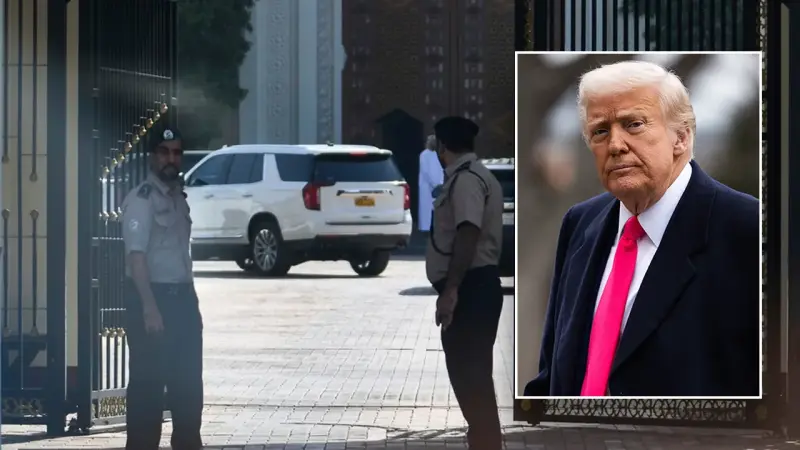
President Donald Trump's administration, while not directly addressing the specifics of the ongoing air strikes, issued a statement condemning any actions that threaten international shipping or regional allies. The State Department emphasized the United States' commitment to safeguarding global commerce and deterring aggression in critical waterways.
The strategic implications of these dual developments are profound. The air strikes risk further entrenching the cycle of violence in already volatile areas, while Iran's internal crackdown threatens to radicalize a populace increasingly disillusioned with its leadership. Both scenarios present significant challenges to global peace and stability.
Reports from Damascus indicated damage to several installations near the capital, while sources in Baghdad confirmed explosions targeting facilities south of the city. Houthi-controlled areas in Yemen also reportedly sustained significant damage from aerial bombardment, further complicating efforts to resolve that nation's protracted conflict.
Iranian Interior Ministry officials asserted that the internal security operations were necessary to protect citizens and national infrastructure from "seditionists" and "foreign agents" seeking to exploit economic grievances. They warned against participation in unauthorized gatherings, signaling zero tolerance for continued unrest.
The global energy market has reacted with volatility, with crude oil prices seeing an uptick amid fears of supply disruptions from the Persian Gulf. Shipping insurers have also raised premiums for vessels transiting the Strait of Hormuz, reflecting heightened risk assessments in the wake of the intensified military actions and air strikes reported across the Middle East.
International bodies, including the United Nations, have called for immediate de-escalation from all parties involved. A spokesperson for the UN Secretary-General urged maximum restraint and emphasized the urgent need for diplomatic solutions to prevent a wider conflagration in an already fragile region.
Experts from various think tanks suggest that the timing of these events indicates a deliberate strategy by multiple actors. The sustained pressure on Iran's external proxies through air strikes coincides with domestic unrest, potentially straining the regime's resources and attention on multiple fronts.
The economic situation within Iran continues to be a driving force behind the public discontent. Years of sanctions, coupled with government mismanagement, have led to high inflation, unemployment, and a declining standard of living, fueling the protests that the government is now attempting to suppress.
Regional powers, particularly Saudi Arabia and the United Arab Emirates, have expressed strong support for actions that counter perceived Iranian aggression and ensure stability in the Gulf. Their governments have previously voiced concerns over missile and drone attacks originating from Iranian-backed groups.
As the situation unfolds, observers anticipate increased diplomatic maneuvering alongside the ongoing military and security operations. The convergence of external military pressure and internal challenges poses a critical test for the Iranian leadership and the wider Middle East in 2026.