Gabriella
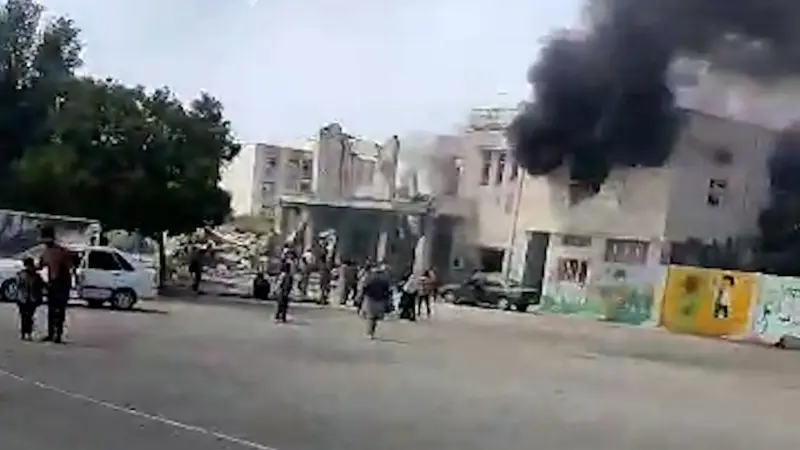
WASHINGTON — U.S. intelligence agencies recently placed an Iranian school on a confidential target list, reportedly mistaking the educational facility for a military site, a revelation that has sparked diplomatic concern and internal reviews. The identification error, which came to light through classified channels, indicates a significant intelligence oversight, raising questions about targeting protocols and the potential for grave miscalculations in sensitive regions.
Sources familiar with the ongoing review, who spoke on condition of anonymity due to the classified nature of the information, indicated that the school, located in a densely populated urban area within Iran, was erroneously flagged during routine surveillance operations. The precise reasons for the misidentification remain under investigation, but initial assessments point to outdated intelligence, poor satellite imagery analysis, or a misunderstanding of local infrastructure.
This incident carries substantial weight given the already fraught relationship between Washington and Tehran. President Donald Trump, currently in his second term, has consistently maintained a firm stance on Iranian activities, emphasizing the need for robust intelligence gathering to counter what his administration perceives as regional destabilization.
Potentially targeting an Iranian school could have profound implications. Had the target list been acted upon, the consequences for civilian lives and international relations could have been catastrophic. An attack on a school, regardless of intent, would constitute a severe violation of international law and could ignite widespread condemnation.
Pentagon officials, while not directly confirming the specific incident, acknowledged the continuous process of reviewing and refining target lists to ensure accuracy and minimize collateral damage. A spokesperson stated that all intelligence is subject to rigorous verification procedures before any operational decisions are made.
“Ensuring the precision of our intelligence is paramount,” a senior defense official commented off-record. “Every effort is made to prevent errors, and when discrepancies are identified, immediate action is taken to rectify them and improve our methodologies.” This statement underscores the gravity with which such potential blunders are viewed internally.
The Iranian government has not yet issued a public statement regarding this specific alleged targeting error. However, reports from state-controlled media have frequently criticized U.S. intelligence operations in the region, labeling them as aggressive and provocative.
Analysts suggest that this revelation could further complicate diplomatic efforts, particularly as international bodies continue to advocate for de-escalation between the two nations. The incident might be seized upon by Tehran as evidence of malicious intent or, at minimum, dangerous incompetence.
Historically, intelligence errors have sometimes led to devastating outcomes. The 1999 bombing of the Chinese Embassy in Belgrade during the Kosovo War, which the U.S. and NATO later attributed to faulty intelligence and outdated maps, serves as a stark reminder of the potential for miscalculation in complex operational environments.
Experts in intelligence analysis emphasize the challenges inherent in distinguishing civilian infrastructure from military installations, particularly in countries with limited transparency and dual-use facilities. The reliance on advanced technology, while beneficial, can sometimes introduce its own set of vulnerabilities to misinterpretation.
The ongoing internal investigation is expected to examine the entire intelligence chain of command, from data collection and analysis to the final approval process for target lists. Recommendations for improved vetting procedures and enhanced human intelligence integration are anticipated.
For now, the focus remains on understanding how an Iranian school, ostensibly a purely civilian entity, could have been deemed a legitimate military objective by a sophisticated intelligence apparatus. The outcome of this inquiry will likely shape future U.S. intelligence gathering and targeting policies concerning Iran and other geopolitical hotspots.