 Chandra Wijayanto
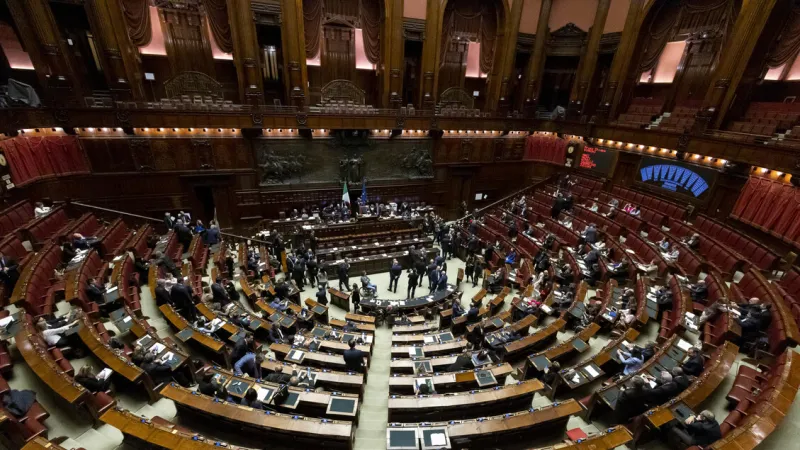
Rome – Several prominent Italian cabinet members, including Matteo Salvini, Francesco Lollobrigida, Nello Musumeci, Eugenia Roccella, and Giancarlo Giorgetti, recently engaged in the parliamentary Question Time session at the Chamber of Deputies, addressing queries from lawmakers on critical national issues.
This vital democratic exercise, a cornerstone of legislative accountability, saw ministers respond to pointed questions from opposition and government party members alike, offering insights into governmental policies and future plans. The session underscored the Italian Parliament's role in scrutinizing the executive branch.
Matteo Salvini, Deputy Prime Minister and Minister of Infrastructure and Transport, confronted questions regarding major public works, regional transport initiatives, and pressing concerns about infrastructure safety. His responses touched upon ongoing railway projects and plans for improving national road networks, areas frequently subject to public debate and scrutiny.
Francesco Lollobrigida, the Minister of Agriculture, Food Sovereignty and Forestry, addressed matters crucial to Italy's agricultural sector. Lawmakers pressed him on topics ranging from agricultural subsidies and the impact of climate change on harvests to strategies for ensuring food security and supporting Italian farmers against market volatility.
Minister for Civil Protection and Marine Policies, Nello Musumeci, provided updates on Italy's preparedness for natural disasters and the implementation of marine conservation efforts. Questions often revolved around the efficacy of current disaster response protocols and long-term strategies for protecting Italy's extensive coastline from environmental threats.
Eugenia Roccella, the Minister for Family, Birth Rate and Equal Opportunities, faced inquiries concerning Italy's demographic challenges and governmental initiatives aimed at supporting families and boosting birth rates. Discussions also encompassed policies designed to advance gender equality and combat societal discrimination, reflecting ongoing national conversations about social progress.
Giancarlo Giorgetti, the Minister of Economy and Finance, delivered responses on the nation's economic health, fiscal policies, and budgetary outlook. Lawmakers probed the government's financial strategies, inflation control measures, and recent fiscal adjustments, including details on the new Modello 730 2026 tax declaration changes that are set to impact millions of Italian taxpayers. His explanations provided context for the government's economic agenda amidst evolving global financial landscapes.
The Question Time format demands direct and concise answers, often highlighting the political fault lines between the ruling coalition and the opposition. This public dialogue serves as a crucial mechanism for transparency, allowing citizens to witness their elected representatives holding the government accountable.
Opposition lawmakers leveraged the session to highlight perceived shortcomings in governmental policies and to demand greater clarity on administrative actions. Their inquiries ranged across various ministerial portfolios, reflecting a broad spectrum of national interests and public concerns.
The ministers, in turn, defended their respective policies and outlined ongoing efforts, emphasizing the executive's commitment to addressing the nation's challenges. These exchanges are integral to the robust functioning of Italy's parliamentary democracy.
The Question Time proceedings are broadcast live, enabling widespread public access and fostering a more informed citizenry. This direct communication channel between government and parliament reinforces the principles of accountability and responsiveness crucial to effective governance.
Analysts note that such sessions are not merely procedural but often shape public perception and influence future legislative debates. The performance of ministers during these intense interrogations can significantly impact their political standing and the government's overall credibility.
Ultimately, the consistent execution of parliamentary Question Time ensures a dynamic and transparent political environment in Italy, where ministerial actions and policy decisions are regularly subjected to rigorous public and legislative review.