 Edward DP Situmorang
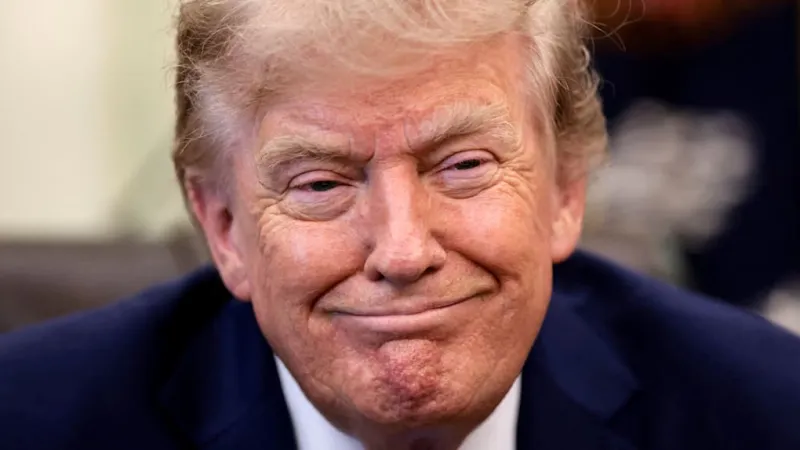
WASHINGTON D.C. – President Donald Trump today affirmed that the vital Strait of Hormuz remains "so to speak open," a declaration coupled with his persistent assertions regarding Iran's dwindling capacity for prolonged conflict. During recent remarks, the President notably refrained from detailing any potential agreement concerning the geopolitically crucial maritime chokepoint, a silence that has drawn attention from observers of Middle Eastern affairs.
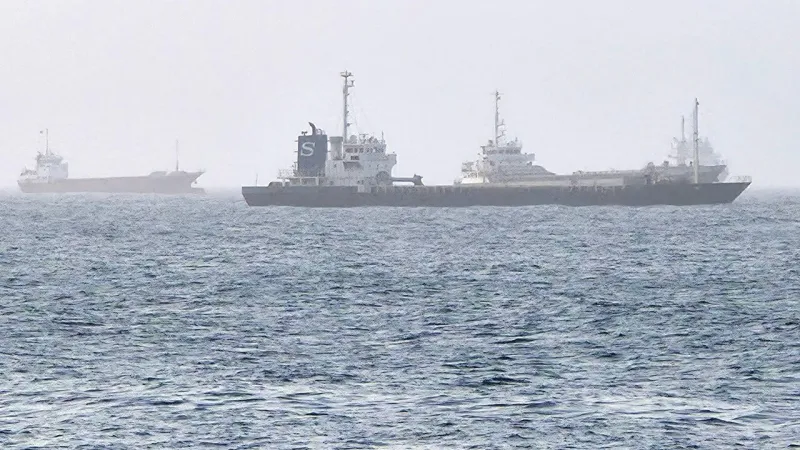
President Trump's characterization of the Strait of Hormuz underscores Washingtons unwavering stance on maintaining freedom of navigation through the waterway. This critical passage, connecting the Persian Gulf to the Arabian Sea, handles approximately one-fifth of the worlds oil consumption, making any threat to its transit a matter of global economic and strategic concern.
His reiteration that Iran is not "long for the war" echoes a consistent theme in his administrations foreign policy rhetoric concerning Tehran. For years, President Trump has maintained a firm posture against the Iranian regime, often predicting its imminent collapse under the weight of international sanctions and internal pressures.
The conspicuous absence of commentary on a possible agreement regarding the Strait of Hormuz marks a departure from typical diplomatic discourse surrounding such flashpoints. While President Trump expressed confidence in the current status quo, his circumspection left open questions about the behind-the-scenes efforts or lack thereof to de-escalate tensions through formal channels.
Historically, the Strait of Hormuz has been a focal point of contention, particularly during periods of heightened friction between Iran and Western powers. Iran has repeatedly threatened to close the strait in response to perceived aggressions or economic blockades, prompting global alarm and robust international condemnation.
The United States, alongside its allies, consistently maintains a significant naval presence in the region, conducting regular patrols to ensure the free flow of commerce. These deployments serve as a deterrent against any attempts to disrupt shipping, reinforcing the international commitment to maritime security.
Analysts suggest President Trumps guarded language on a potential agreement could signify several possibilities: either no substantive negotiations are currently underway, or the administration wishes to maintain strategic ambiguity, or perhaps preliminary discussions have stalled. This approach mirrors previous instances where President Trump has lashed out over reports or maintained a resolute front on sensitive geopolitical matters.
The broader implications of President Trumps remarks extend to regional allies, including Saudi Arabia and the United Arab Emirates, who rely heavily on the Strait for oil exports. Their security interests are inextricably linked to the unimpeded passage of vessels, and any perceived instability could trigger significant geopolitical shifts.
International reactions to such statements are often bifurcated, with some nations applauding the assertive stance against Iran, while others call for greater diplomatic engagement to prevent miscalculation. The precarious balance of power in the Gulf region necessitates careful communication to avoid inadvertent escalation.
The President's administration continues to prioritize a strategy of maximum pressure on Iran, aiming to curb its nuclear ambitions, ballistic missile program, and support for regional proxies. The status of the Strait of Hormuz remains a critical component of this broader geopolitical chess game.
As the political year progresses, the administrations policy toward Iran and the delicate navigation of the Strait of Hormuz will undoubtedly remain under intense scrutiny. The world awaits further clarification, particularly concerning the path towards any long-term stability or formal understanding in the volatile region.
The geopolitical landscape demands nuanced diplomacy, yet President Trumps public declarations often favor clarity and a projection of strength. His latest remarks underscore the persistent tension without providing a roadmap for future engagements on this vital maritime artery.