 Angel Doris
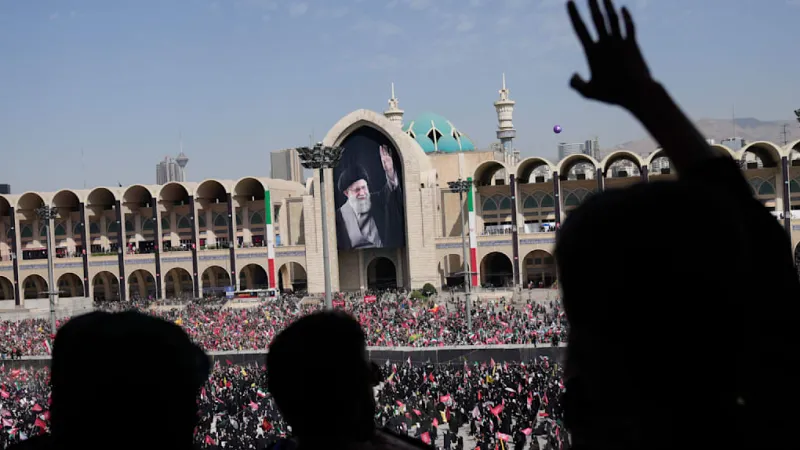
Tehran—Public mourning ceremonies have commenced in the Iranian capital for Supreme Leader Ayatollah Ali Khamenei, who authorities state was killed in conflict. The somber occasion has drawn an unprecedented multitude, with officials anticipating between 15 and 20 million participants over the coming three days, all converging to pay respects and express fervent political sentiments.
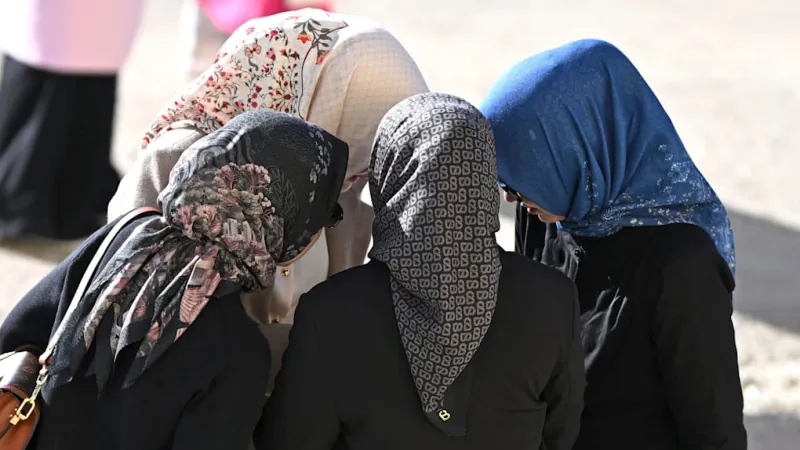
The initial ceremonies witnessed overwhelming crowds filling the streets, transforming the city center into a sea of black-clad mourners. Amidst the solemnity, chants of “Vengeance, vengeance” and “Death to America” resonated powerfully, underscoring the deep-seated anger and resolve animating a significant portion of the populace following the leader's demise.
Ayatollah Ali Khamenei, who assumed the mantle of Supreme Leader in 1989 after the passing of Ayatollah Ruhollah Khomeini, has been the paramount religious and political authority in Iran for decades. His tenure was marked by complex geopolitical challenges, significant internal developments, and unwavering opposition to Western influence, particularly from the United States.
The announcement of his death in combat has sent shockwaves through the nation and across the globe, raising critical questions about regional stability and the future trajectory of Iranian policy. The exact circumstances surrounding his death have not been fully disclosed, contributing to an atmosphere of heightened emotion and speculation.
The sheer scale of participation underscores the profound impact Khamenei had on the nation and its ideological direction. His leadership was central to shaping Iran's domestic and foreign policies, including its nuclear program, its support for regional proxies, and its confrontational stance towards adversaries.
The widespread chants targeting the United States during the mourning rituals are a potent reminder of the enduring anti-Western sentiment that has characterized the Islamic Republic since its inception. This public display of animosity signals a potential hardening of resolve against external pressures and could influence future diplomatic engagements.
Authorities have implemented extensive security measures across Tehran to manage the colossal crowds and ensure the orderly progression of the funeral rites. The immense logistical undertaking reflects the national significance of the event, as reported by outlets covering the unfolding situation. Tehran Gathers for Khamenei Funeral Amid Strict Security Measures, detailing the preparations.
Beyond the immediate grief, the mourning period marks a critical juncture for Iran as attention inevitably shifts to the process of succession. The Council of Experts, a body of 88 clerics, is constitutionally tasked with selecting the next Supreme Leader, a decision that will profoundly shape the nation's future.
International observers are closely monitoring the events, analyzing the geopolitical ramifications of Khamenei's death and the potential impact on global energy markets, regional conflicts, and international diplomacy. The outpouring of public sentiment offers insight into the national mood and expectations from the next leadership.
The fervent calls for vengeance heard amongst the mourners suggest a public appetite for retaliation, likely against those perceived to be responsible for the Supreme Leader's death. This sentiment will undoubtedly be a significant factor for any incoming leader to contend with, potentially dictating the tone of future state actions.
The comparison to the funeral of Ayatollah Ruhollah Khomeini, which also drew millions, highlights the deeply ingrained culture of public mourning for revered figures in Iran. These events often serve as powerful affirmations of national identity and ideological commitment.
As the three-day mourning period continues, the world watches to discern how Iran navigates this unprecedented leadership transition, especially under the shadow of a leader reportedly killed in war. The convergence of grief, ideological fervor, and calls for retribution paints a complex picture of a nation at a crossroads.
Media outlets have been extensively covering the monumental gathering, emphasizing the emotional resonance of the event and the political messages being broadcast to both domestic and international audiences. Iran Rallies Millions for Khamenei Farewell, Signaling Power Transition discusses the broader implications.
The sheer human tide, estimated to be among the largest gatherings in recent history, serves as a powerful symbol of national unity, at least in the face of perceived external threats and the loss of a foundational leader. This collective demonstration of sorrow and anger will undoubtedly reverberate for years to come.
The scene in Tehran, with its overwhelming display of public mourning and potent political slogans, cements the image of a nation grappling with a significant loss and preparing for an uncertain, yet potentially defiant, future. The echoes of vengeance and anti-American sentiment serve as an unmistakable message from the heart of Iran.