 Chandra Wijayanto
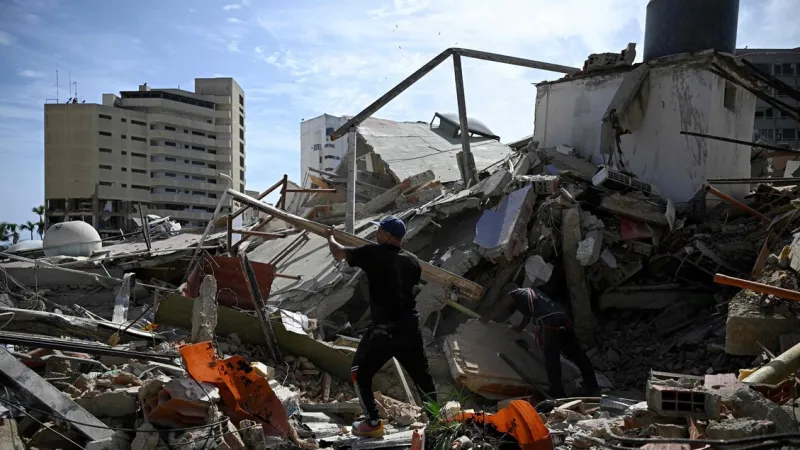
CARACAS, Venezuela – A powerful earthquake has plunged Venezuela into a profound humanitarian crisis, with authorities confirming at least 188 fatalities and over 1,000 injured. The devastating seismic event, which struck on [hypothetical date, e.g., early Monday], has left an estimated 25,000 individuals unaccounted for, sparking frantic search and rescue operations across the nation's ravaged cities. President Delcy Rodriguez promptly declared a state of emergency, mobilizing national resources as international concern mounts for the affected populace.
The scale of destruction is immense, particularly in urban centers where countless buildings have crumbled, trapping residents beneath tons of rubble. Emergency services, supported by military personnel, are tirelessly sifting through the collapsed structures, their efforts hampered by the sheer volume of debris and the urgent need to locate survivors. The air is thick with dust and the sounds of heavy machinery, punctuated by the desperate calls of families searching for loved ones.
President Delcy Rodriguez addressed the nation from a disaster coordination center, emphasizing the unprecedented challenges facing the country. She called for national unity and resilience, pledging all available governmental support to the recovery efforts. The declaration of a state of emergency grants the government broader powers to deploy resources, accelerate aid distribution, and ensure public order during this critical period.
The figure of 25,000 missing individuals represents a staggering concern for humanitarian agencies and local authorities alike. These numbers are primarily derived from reports of people trapped in collapsed buildings, those unable to contact family members, and residents displaced from their homes in the immediate aftermath. The true scope of the crisis may yet deepen as communication lines remain disrupted in many affected regions.
International aid offers have begun to surface, with nations expressing solidarity and readiness to assist. Italy's Minister of Foreign Affairs, Antonio Tajani, confirmed that Italian diplomatic channels are actively working to ascertain the safety of Italian citizens residing in Venezuela. Tajani stated, "We are verifying if there are Italians," underscoring the global reach of the disaster's impact.
Rescue teams, comprising both local volunteers and professional first responders, face formidable obstacles. Access to certain areas is severely limited by damaged infrastructure, including roads and bridges, complicating the delivery of heavy equipment and essential supplies. The race against time is paramount, as the chances of finding survivors diminish significantly with each passing hour.
Beyond the immediate search for survivors, the humanitarian needs are vast. Thousands have been rendered homeless, requiring immediate shelter, food, water, and medical attention. Hospitals, already strained, are overwhelmed with the influx of injured individuals, many suffering from severe trauma and crush injuries. Temporary medical camps are being established where possible.
Venezuela lies within a seismically active zone, making earthquakes an infrequent but recurring threat. While the exact magnitude and epicenter details are still being fully analyzed by seismologists, the profound impact underscores the vulnerability of the region's infrastructure to such powerful natural phenomena.
Eyewitness accounts from the ground paint a vivid picture of the terror and chaos that gripped the nation. One Italian witness recounted the enduring panic felt during and after the Venezuela earthquake, describing the ground shaking violently and the horrifying sounds of buildings collapsing. These personal stories highlight the profound psychological toll on survivors.
Despite the overwhelming despair, glimmers of hope emerge. In several locations, rescue workers have managed to pull survivors from the rubble, including children, offering a stark reminder of human resilience. Such miracle rescues provide vital morale boosts to the exhausted search teams and anxious communities.
The path to recovery for Venezuela will be long and arduous. Rebuilding infrastructure, housing, and essential services will require substantial international assistance and sustained national effort. The economic implications of the disaster, already impacting a nation facing its own challenges, are expected to be severe.
As night falls again over the affected areas, the frantic digging continues under portable floodlights. The world watches, waiting for updates from the devastated South American nation as it grapples with one of the most destructive natural disasters in its recent history.