 Chris Robert
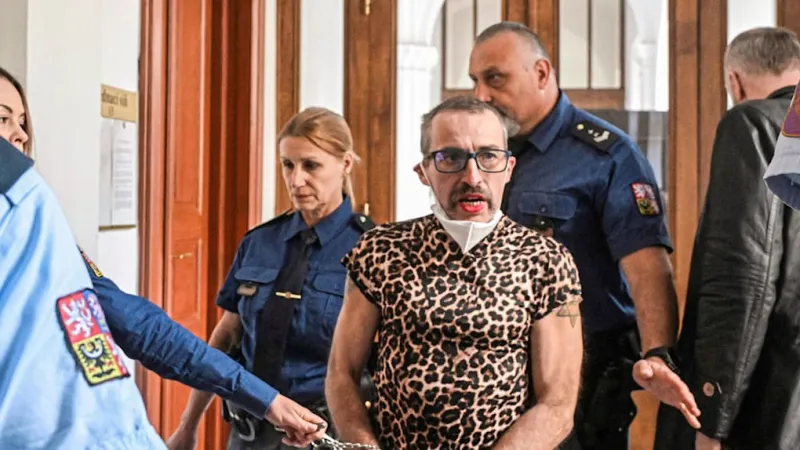
CHEMNITZ, GERMANY – Marla-Svenja Liebich, a prominent figure in Germany's right-wing extremist circles, has been extradited from the Czech Republic to Germany this week. The transfer occurred after a Czech court dismissed her final appeal, paving the way for her incarceration in a correctional facility in Chemnitz.
The extradition marks a significant development in German authorities' ongoing efforts to hold individuals accountable for extremist activities. Liebich, who has a history of convictions related to right-wing offenses, now faces the full implementation of her sentences within Germany's justice system.
Sources familiar with the operation confirmed that the transfer proceeded without incident, with German federal police overseeing the secure transport across the border. Liebich was immediately taken into custody upon her arrival on German soil.
Her journey to a Chemnitz prison concludes a period of legal maneuvering in the Czech Republic, where she had sought to prevent her return. The Czech judiciary ultimately upheld Germany's extradition request, reinforcing cross-border cooperation in combating extremism.
Liebich has been a subject of considerable scrutiny for her involvement in various far-right demonstrations and activities across Germany. Her convictions span multiple offenses, underscoring a consistent pattern of violating public order and inciting hatred.
This extradition sends a clear message that individuals seeking to evade justice by crossing national borders will ultimately be apprehended and face the consequences of their actions. European Union member states increasingly collaborate on such matters to ensure judicial processes are not circumvented.
The federal government in Berlin has repeatedly emphasized its commitment to a robust stance against all forms of extremism, particularly right-wing extremism, which poses a significant threat to democratic values and social cohesion within the nation.
Cases like Liebichs highlight the persistent challenges faced by German law enforcement and intelligence agencies in monitoring and prosecuting individuals associated with radical ideologies. Efforts to combat such movements include preventative measures and vigorous legal action.
Recent incidents have further underscored the urgency of these efforts. Authorities continue to investigate other cases with suspected extremist motives, such as the Schongau school stabbing, where an extremist manifest was reportedly discovered.
The presence of such elements necessitates vigilance from both governmental bodies and civil society. The German public remains acutely aware of the historical context and the imperative to confront extremist ideologies decisively.
Liebichs arrival in Chemnitz also places her within a region that has, at times, seen heightened activity from right-wing groups. Her incarceration in a local facility means she will serve her sentence in a jurisdiction well-versed in handling such cases.
This successful extradition is expected to contribute to public confidence in the efficacy of the German justice system in pursuing and prosecuting those who challenge the constitutional order through extremist means. It serves as a tangible outcome of international legal cooperation.