 Chandra Wijayanto
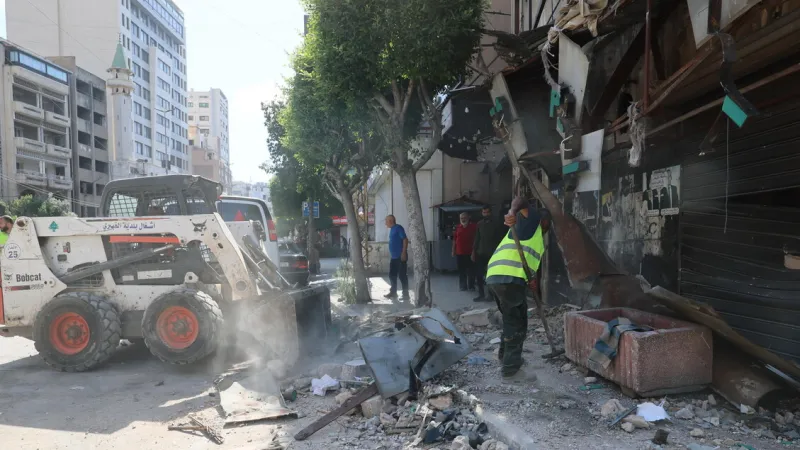
President Donald Trump has overtly criticized a recent Israeli strike in Beirut, stating the attack “should not have occurred,” while a high-ranking Iranian official, Mohammad Bagher Ghalibaf, simultaneously asserted that the incident “demonstrates the United States does not respect its commitments.” This diplomatic furore unfolds as a Qatari delegation arrived in Tehran for urgent peace talks, following reports from Lebanese media of at least three fatalities in the Lebanese capital.
President Trump's public rebuke marks a significant moment in the complex regional dynamics, signaling potential discord with a key Middle East ally amid heightened tensions. His assertion underscores the international community's concerns over escalating military actions that threaten fragile stability.
Ghalibaf's pointed remarks directly challenge the credibility of Washington's foreign policy in the region. The Iranian official's statement suggests a deep-seated mistrust, implying that the United States either lacks the will or the capacity to uphold its diplomatic pledges, especially concerning de-escalation efforts.
The Israeli strike in Beirut, which reportedly claimed at least three lives, targeted areas associated with militant groups, though specific details regarding the victims and precise targets remain under investigation. Such operations often risk broader civilian casualties, exacerbating humanitarian concerns and fueling retaliatory cycles.
In a parallel development, the arrival of a Qatari delegation in Tehran signals a concerted diplomatic push to temper the volatile regional climate. Qatar has frequently positioned itself as a mediator in intricate Middle Eastern disputes, aiming to facilitate dialogue between conflicting parties and prevent further escalation.
These peace talks are understood to encompass a range of urgent issues, likely including the cessation of hostilities in Lebanon, broader regional security assurances, and potential pathways for de-escalation between Iran and its adversaries. The immediate goal is to establish a framework for dialogue that could prevent the current friction from spiraling into wider conflict.
The strike in Beirut is not an isolated incident but rather the latest in a series of targeted operations. Previous reports, such as those detailing Israel Strikes Hezbollah in Beirut Suburbs Amid Ceasefire Violations and Israel Unleashes Retaliatory Strikes on Beirut Suburbs, One Dead, highlight the ongoing military engagements in the area, particularly against Hezbollah strongholds.
Hezbollah, a powerful Shiite political party and militant group in Lebanon, maintains a significant arsenal and receives substantial support from Iran. Its presence near the Israeli border and its involvement in regional proxy conflicts are consistent sources of tension, frequently drawing Israeli military responses.
Iran's position, articulated by Ghalibaf, reflects its long-standing grievances against US policy in the Middle East. From Tehran's perspective, Washington's actions, or perceived inactions, often embolden its regional rivals and undermine diplomatic resolutions. This sentiment complicates any potential for broader US-Iran rapprochement.
The nature of the “commitments” Ghalibaf referred to is likely multifaceted, potentially touching on agreements related to nuclear non-proliferation, sanctions relief, or broader regional security frameworks. The ongoing efforts for mediation, as seen with Tehran Signals Nuclear Restraint Amid Urgent Qatar-US Mediation, suggest a persistent need for clarification and reaffirmation of such pledges.
President Trump's administration has pursued a distinct Middle East strategy, characterized by both strong support for allies like Israel and attempts to de-escalate certain regional flashpoints. His condemnation of the Beirut attack, while surprising to some, could be interpreted as an effort to manage the delicate balance of power and prevent uncontrolled escalation.
The immediate regional implications of this latest escalation are severe. The risk of miscalculation remains high, with each strike and counter-response pushing the region closer to a broader confrontation. Civilian populations in Lebanon, particularly in Beirut, bear the brunt of these intermittent but deadly exchanges.
The diplomatic challenges are immense. Reconciling the security imperatives of Israel with the regional aspirations of Iran, while navigating the complex internal politics of Lebanon, requires sustained international effort. Qatar's current initiative is a testament to the urgent need for such engagement.
The effectiveness of the Qatari peace initiative remains to be seen, but its timing, coinciding with high-level condemnations and accusations, underscores the critical juncture the region now faces. Global powers continue to watch anxiously for any signs of de-escalation or, conversely, further destabilization.
The imperative for de-escalation is paramount. Without a concerted effort to reduce military activity and foster direct or indirect dialogue, the cycle of violence is likely to persist, drawing more actors into an already fraught environment.
International bodies and various nations have consistently called for restraint from all parties involved, emphasizing the need to protect civilian lives and uphold international law. The current events in Beirut serve as a stark reminder of the humanitarian cost of prolonged conflict.
The role of the United States, as a key global player, remains pivotal in influencing regional stability. President Trump's stance on the Beirut attack, alongside Ghalibaf's criticism, highlights the intricate web of expectations and accusations that Washington must navigate in its foreign policy endeavors.
Beyond the immediate human toll, ongoing instability profoundly impacts the economic recovery and development of nations like Lebanon, already grappling with severe internal crises. The constant threat of conflict deters investment and exacerbates humanitarian challenges.
As diplomatic channels work to mitigate the immediate crisis, the core issues of regional power dynamics, US foreign policy efficacy, and the security concerns of all involved parties continue to frame the Middle East's precarious future. The Beirut attack and its fallout underscore the urgent demand for durable, respectful engagement.