 Angela Stefani
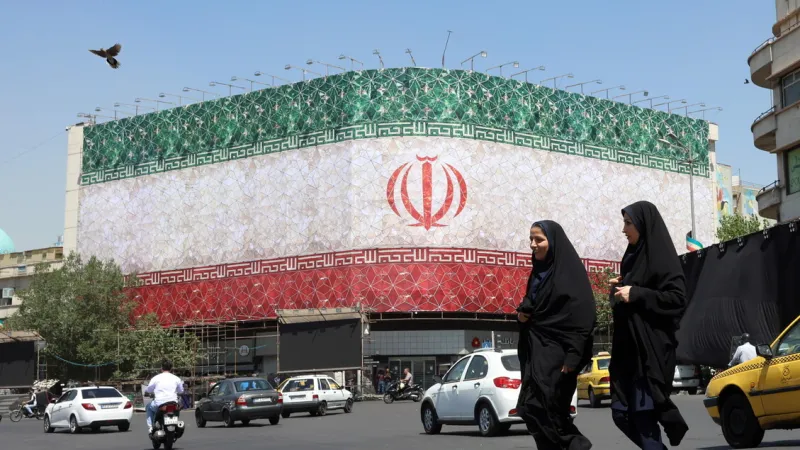
TEHRAN - A high-level delegation from Qatar arrived in the Iranian capital today for crucial peace talks, signaling intensified diplomatic efforts to de-escalate tensions between Iran and the United States. Iranian state media outlets simultaneously reported Tehran's agreement to refrain from producing or acquiring nuclear weapons, a development poised to reshape regional dynamics and years of strained relations.
The Qatari envoys, acting as key intermediaries alongside Pakistan, have embarked on these discussions to bridge the significant divide between Washington and Tehran. Their arrival follows months of discreet, persistent diplomacy aimed at fostering a less confrontational stance regarding Iran's controversial nuclear program.
According to reports from several Iranian news agencies, which cited unnamed officials, Iran has formally communicated its acceptance of a non-nuclear weapons posture. This alleged commitment involves both the cessation of production and the acquisition of atomic armaments, marking a substantial concession if confirmed by international bodies.
This reported pledge comes amidst a backdrop of escalating regional unease and persistent international pressure. For years, the international community, led by the United States, has expressed profound concerns over Iran's nuclear ambitions, fearing a potential diversion of its civilian program towards military applications.
Under President Donald Trump's administration, the United States has maintained a firm stance against Iran's nuclear activities and its broader regional influence. Washington had previously withdrawn from the Joint Comprehensive Plan of Action (JCPOA), an international accord designed to limit Iran's nuclear program, citing Tehran's alleged non-compliance and continued development of ballistic missiles.
Qatar's role as a mediator is not new; the Gulf nation has frequently positioned itself as a diplomatic bridge-builder between various international actors. Its established channels with both Iranian and American officials make it uniquely suited to facilitate such sensitive negotiations. Pakistan has also played a supportive role in these ongoing efforts.
Analysts suggest that such an agreement, if verifiable and robust, could significantly alleviate one of the most persistent geopolitical flashpoints in the Middle East. It could pave the way for broader regional stability, potentially influencing the security landscape from the Persian Gulf to the Levant.
However, skepticism remains regarding the precise nature and enforceability of this reported Iranian commitment. International observers will be closely scrutinizing any official confirmation and the mechanisms for verification that would need to be put in place to ensure compliance.
The immediate objective of the Qatari delegation appears to be the establishment of a framework for further dialogue, possibly leading to more direct engagement between American and Iranian representatives. Such a step would represent a significant diplomatic breakthrough after a prolonged period of indirect communication.
For President Trump's administration, a verified Iranian commitment to foreswear nuclear weapons would be a notable foreign policy achievement, potentially defusing a long-standing threat without recourse to military action. It aligns with a broader strategy to recalibrate US engagements in the Middle East.
The path to a comprehensive agreement is fraught with complexities, including the potential for reciprocal concessions on sanctions relief from the United States and assurances regarding Iran's legitimate security concerns. These initial talks are expected to lay the groundwork for these intricate discussions.
The international community has long sought a durable solution to the Iran nuclear question, balancing Iran's right to peaceful nuclear energy with global non-proliferation imperatives. This reported development, if genuine, offers a glimmer of hope for a diplomatic resolution.
Regional powers, particularly those in the Gulf and Israel, will be monitoring the unfolding negotiations with intense interest. Their security concerns are intrinsically linked to Iran's nuclear posture and its broader strategic ambitions.
While Iranian media reports signal optimism, official statements from either the Iranian foreign ministry or the Qatari delegation regarding the specific details of the alleged nuclear commitment are yet to be issued. The precise wording and context of the Iranian pledge will be critical.
The talks are expected to cover not only the nuclear dossier but also potentially broader aspects of regional security and stability. Achieving consensus on these multifaceted issues will require sustained diplomatic engagement and a willingness from all parties to compromise.
This marks a pivotal moment in the complex relationship between Iran and the West, offering a potential off-ramp from a trajectory of heightened tensions. The international community awaits further details, hopeful that these initial steps will lead to a verifiable and lasting peace.