Gabriella
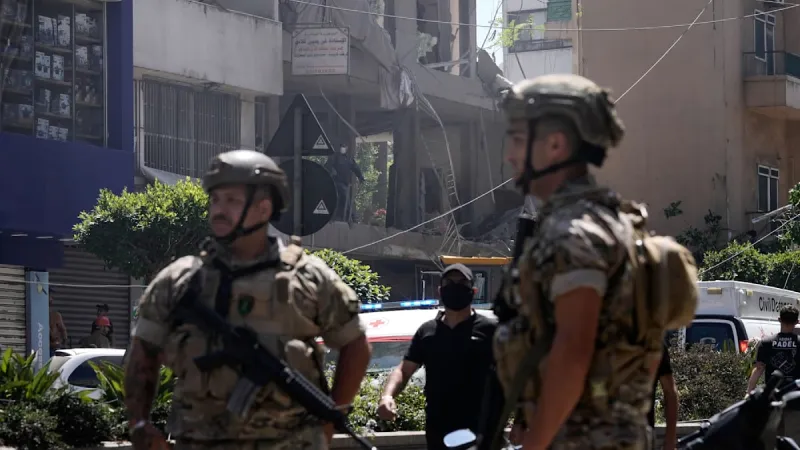
Beirut, Lebanon – The Israeli military initiated a series of retaliatory airstrikes today against targets affiliated with the Iran-backed militant group Hezbollah in the southern suburbs of Beirut. These bombardments followed recent aggression from Hezbollah, marking a significant escalation in the perennial conflict between the two adversaries.
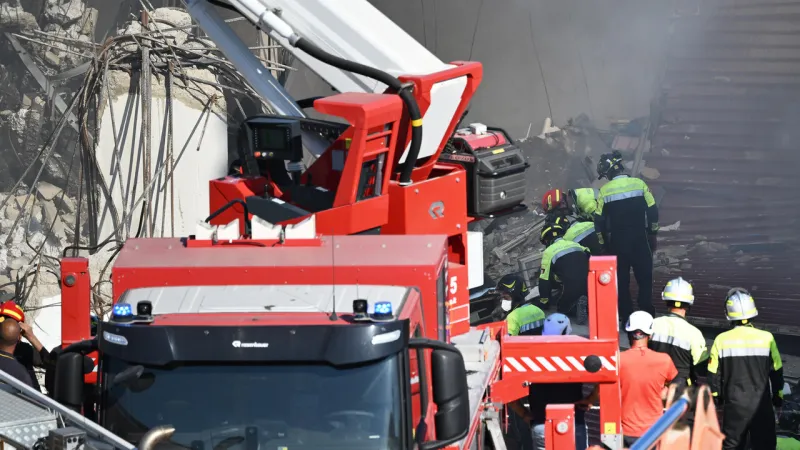
Lebanese authorities quickly reported at least one fatality resulting from the Israeli actions, with initial assessments indicating further casualties and considerable material damage across the targeted areas. Emergency services rushed to the scenes, as plumes of smoke ascended over residential districts.
These strikes underscore the volatile nature of the Lebanon-Israel border, a region frequently witnessing cross-border skirmishes and heightened tensions. The Israeli Defense Forces (IDF) confirmed their operation was a direct response to provocations by Hezbollah, emphasizing a commitment to defending Israeli sovereignty and civilian lives.
Hezbollah, a powerful political party and militant organization, maintains a strong presence in southern Lebanon and the southern suburbs of Beirut. It has repeatedly clashed with Israeli forces, often drawing global condemnation for its role in regional instability and its substantial arsenal of rockets and missiles.
The group’s close alliance with Iran adds another layer of complexity to the conflict. Tehran supplies Hezbollah with significant financial and military aid, integrating the Lebanese group into a broader network of regional proxies. This relationship has long been a source of concern for Israel and its allies.
This latest exchange of hostilities occurs against a backdrop of ongoing efforts to de-escalate wider regional tensions, including diplomatic initiatives aimed at nuclear restraint in Tehran. Such developments highlight the delicate balance of power and the constant threat of wider conflagration in the Middle East.
The international community swiftly reacted, with several nations and organizations calling for immediate de-escalation and restraint from all parties. Concerns mounted over the potential for a larger conflict that could destabilize an already fragile region and exacerbate the humanitarian situation in Lebanon.
Lebanon itself grapples with profound political and economic crises, making it particularly vulnerable to external shocks. Any large-scale military engagement threatens to unravel its precarious stability, further burdening its struggling infrastructure and displaced population.
Analysts suggest that both sides are testing resolve, with Israel aiming to deter future Hezbollah aggression and Hezbollah seeking to demonstrate its continued operational capability. The precision and lethality of the strikes, however, indicate a calculated yet forceful Israeli posture.
The incident serves as a stark reminder of the unresolved animosities shaping the Middle East. As cleanup efforts begin in Beirut's southern suburbs, the prospect of further retaliations looms large, keeping regional observers on high alert for the next chapter in this enduring conflict.