 Chandra Wijayanto
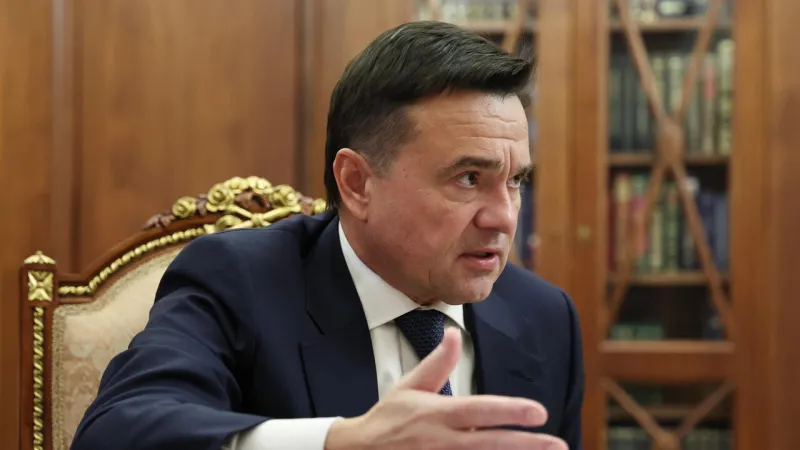
A series of drone attacks has struck the Moscow region of Russia, resulting in three fatalities and five injuries, according to an official statement by Governor Andrei Vorobyov. Russian authorities reported downing a significant number of unmanned aerial vehicles during the widespread assault.
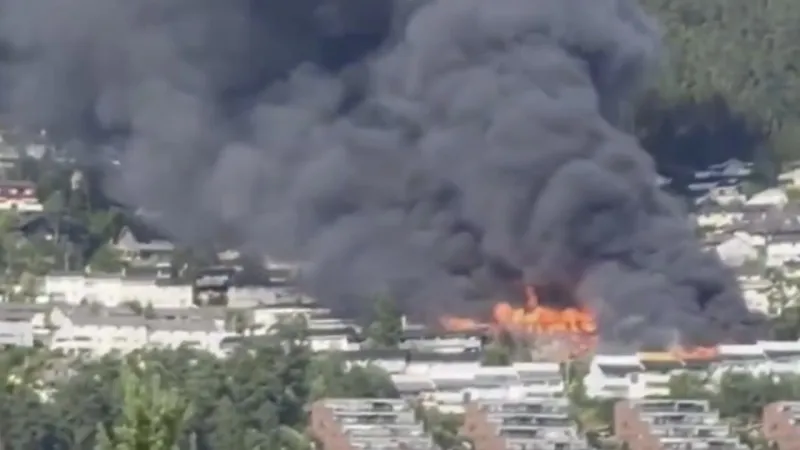
The deadly barrage unfolded overnight, impacting several localities within the expansive Moscow Oblast. Governor Vorobyov, addressing the public via his Telegram channel, confirmed the casualties and underscored the severity of the incidents. Emergency services were swiftly deployed to the affected areas, attending to the wounded and assessing damage.
Russian air defense systems were actively engaged, successfully intercepting and neutralizing 81 unmanned aerial vehicles, according to the governor. This robust defensive response prevented an even greater scale of devastation, though the human cost remains tragically high for those directly impacted.
"Three people regrettably lost their lives, and five others sustained injuries in these attacks," Vorobyov stated, adding details about the concerted effort by military and emergency personnel. He urged residents to remain vigilant and report any suspicious activity to local authorities.
These assaults mark a significant escalation in drone activity targeting Russia's heartland, particularly the capital region. Such incidents underscore the persistent threat posed by aerial incursions, challenging the nation's air defense capabilities despite repeated assertions of robust protection.
Past occurrences have seen drones reaching close proximity to strategic installations and residential areas in Moscow, prompting temporary closures of airports and disruptions to daily life. However, this recent event stands out due to the confirmed fatalities and higher reported number of intercepted drones.
The Moscow region, as the administrative and economic center of Russia, holds immense strategic and symbolic importance. Any breach of its airspace, particularly one resulting in civilian casualties, reverberates nationally and internationally, drawing scrutiny to Russia's internal security landscape.
International observers are closely monitoring the situation, as such incidents contribute to the broader geopolitical tensions. While no specific group immediately claimed responsibility, the context of the ongoing conflict often places these attacks within a wider narrative of reciprocal actions.
The impact on local communities is profound. Residents in affected areas experienced moments of terror, with some witnessing the drone intercepts or feeling the repercussions of impacts. The mental and psychological toll on the civilian population is a growing concern.
In response to the escalating threat, Russian military command is expected to intensify measures to fortify air defense networks around critical infrastructure and populated centers. Investments in advanced detection and interception technologies are continually being prioritized.
The nature of modern warfare, increasingly reliant on sophisticated drone technology, presents formidable challenges for any nation's defenses. The scale of this particular attack, with dozens of unmanned aircraft involved, highlights the evolving tactics employed. Countries globally, including those like Germany, are committing significant resources to drone development and countermeasures, as seen in recent reports such as Germany Commits €90 Million for 50,000 Ukraine Combat Drones.
The authorities continue their investigation into the origin and trajectory of the drones, aiming to enhance early warning systems and prevent future incursions. The objective remains to ensure the safety and security of the region's inhabitants and critical assets.
This incident serves as a stark reminder of the volatile security environment, where civilian areas can become unintended or direct targets in broader conflicts, necessitating constant vigilance and adaptive defensive strategies.