 Robert Andrison
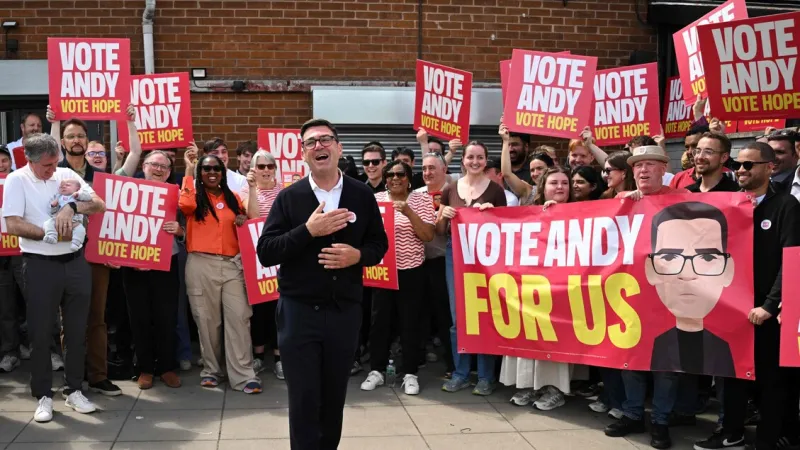
Andy Burnham secured a commanding victory in a pivotal by-election in Great Britain, a result that has sent a potent, unequivocal message to Labour Party leader Keir Starmer. The landslide win underscores deep-seated dissatisfaction within the party and positions Burnham as a significant figure challenging the current leaderships direction.
The electoral triumph for Burnham was not merely a local victory; it reverberated nationally as a direct challenge to Starmer's authority and strategy. Analysts quickly pointed to the margin of victory as an indicator of a broader appetite for change among Labour's traditional support base.
Following his win, Burnham made his intentions clear, declaring, "The Labour must change, I am the anti-Farage." This statement directly addressed the perceived vacuum for strong, principled leadership capable of countering populist narratives, implicitly criticizing the party's current approach under Starmer.
The reference to being the "anti-Farage" is particularly telling. It signals a desire to reconnect Labour with working-class voters who may feel disenfranchised, offering a progressive yet robust alternative to the populist appeal of figures like Nigel Farage, while also advocating for a distinct, revitalized Labour identity.
Despite the formidable challenge presented by Burnham's success, Labour leader Keir Starmer has signaled his determination to remain at the helm, indicating no immediate surrender to the growing internal pressure. His office conveyed a message of resilience, suggesting a commitment to his established reform agenda for the party.
By-elections in the British political landscape often serve as barometers of public sentiment, offering insights into national political trends and voter discontent. This particular contest, though localized, carries weight due to Burnham's prominent public profile and his historic ties to the Labour Party.
Andy Burnham, a former cabinet minister and current Mayor of Greater Manchester, possesses a substantial mandate and a distinct political brand. His popularity and willingness to articulate a vision that diverges from the party line make him a natural focal point for those seeking an alternative to Starmer.
Starmer's leadership has faced scrutiny on various fronts, from the party's electoral performance in recent contests to its perceived lack of a clear, compelling narrative that resonates across all demographics. The Burnham by-election win exacerbates these existing pressures, forcing a re-evaluation of Labour's strategic trajectory.
The challenge articulated by Burnham is not just about leadership; it encompasses the very direction of the Labour Party. His call for fundamental change implies a need for a more radical or at least more clearly defined ideological stance, moving beyond the perceived centrism that has characterized Starmer's tenure.
Political commentators are now dissecting the implications for the next general election. While Starmer remains the undisputed leader, the by-election result undoubtedly provides momentum for internal critics and could embolden other potential leadership contenders should the party continue to struggle in opinion polls.
The outcome demands a response from Starmer and the Labour front bench. Whether this prompts a significant shift in policy, a reshuffle in leadership roles, or a more assertive defense of the current path remains to be seen. What is clear, however, is that the call for change within Labour is growing louder and more organized.
Burnham's strong performance may also force a broader discussion within Labour about its relationship with different regions of the country, particularly those outside London and the Southeast. His regional base and success offer a potential blueprint for connecting with voters who feel overlooked by national political establishments.