 Stefani Rindus
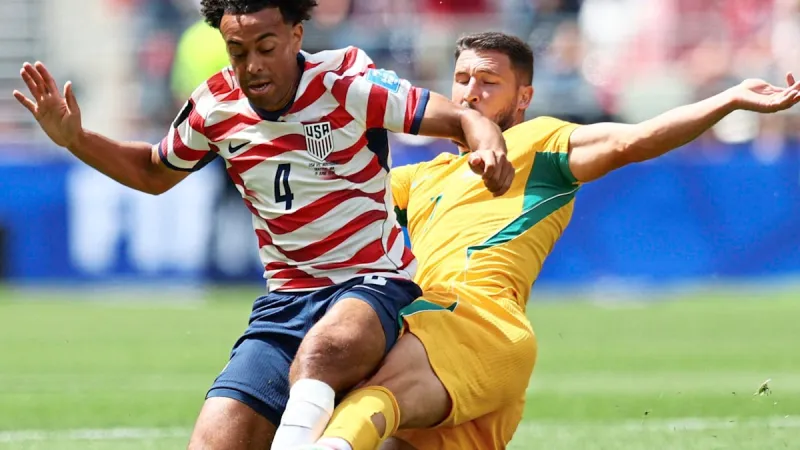
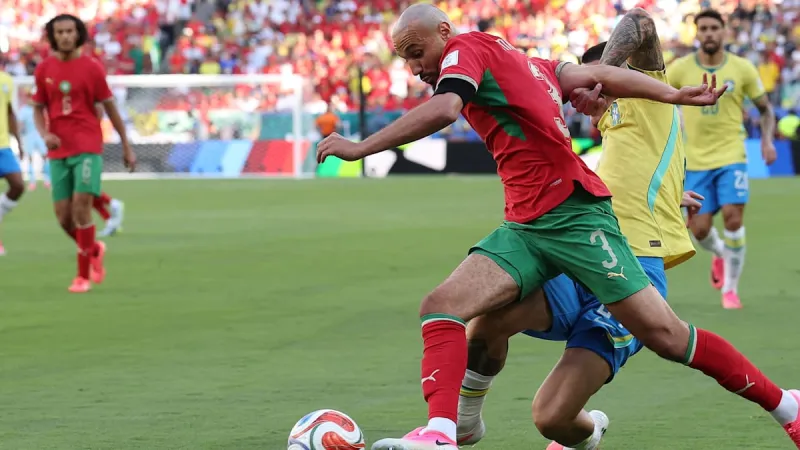
A contentious moment erupted early in the pivotal World Cup encounter between Australia and the United States when veteran Australian forward Matthew Leckie delivered a forceful, late tackle on US captain Tyler Adams in midfield, establishing an immediate flashpoint that fueled debate over fair play and refereeing standards. The incident, occurring just minutes into the match, cast an early shadow on the contest's intensity and raised questions regarding potential disciplinary action.
Leckie, known for his attacking prowess, misjudged his timing, lunging into Adams with considerable force. Adams appeared shaken but quickly recovered, signaling his readiness to continue, yet the impact was undeniable, leaving observers to ponder the severity of the contact.
The match official opted for a verbal warning or perhaps no immediate card, allowing play to continue. This decision immediately drew scrutiny from commentators and fans alike, many anticipating a yellow card for the clear infringement, which could have altered the game's complexion significantly.
As the linchpin of the US midfield and their appointed captain, Adams role is crucial for dictating tempo and shielding the defense. Any injury or subsequent caution for the American skipper could significantly hamper his team's World Cup aspirations, given his integral position.
For Australia, Leckie represents experience and a vital attacking outlet. However, such a challenge, particularly in the opening stages, underscores the high-pressure environment of the tournament and the fine line players walk between aggression and foul play.
The incident highlights the physical nature often seen in major tournaments where every duel is fiercely contested. Similar intense midfield battles have defined other matches, such as when Paraguay edged Turkey 1-0 in a pivotal Group D encounter, often involving robust challenges that test the limits of the rules.
Such early aggression can set the tone for the remainder of the match, potentially escalating tensions between the two sides. It compels both teams to assert dominance, sometimes at the risk of further fouls and a more fractious contest.
The decision not to issue a card immediately will inevitably be contrasted with other officiating calls throughout the tournament, fueling ongoing discussions about the consistency of refereeing standards at the highest level of international football.
Coaches often instruct players to be aggressive from the whistle, but this specific incident pushes the boundaries of acceptable physicality, forcing both teams to reconsider their approach in the early exchanges to avoid further incidents.
The stakes for both nations remain incredibly high as they navigate the rigorous group stage. Both Australia and the United States entered this World Cup fixture with considerable ambitions, understanding that points gained or lost here could prove critical for progression from their group. This high-pressure environment is common across the tournament, as evidenced by matches like when Germany confronted a stronger Ivory Coast in another pivotal World Cup group match, where every decision and challenge held immense weight.
The core of the debate often circles back to player safety. Late tackles, regardless of intent, carry inherent risks for serious injury, a concern paramount for coaches and medical staff who prioritize the well-being of their athletes.
Social media platforms immediately buzzed with reactions, dissecting replays and offering varied opinions on whether Leckie's tackle warranted stronger disciplinary action, showcasing the passionate and often divided engagement of World Cup supporters.
Moments of early controversy are not uncommon in World Cup history, frequently becoming talking points that define specific matches or even shape the broader narrative of the tournament, leaving a lasting impression on fans and analysts alike.
As the match progressed, all eyes remained on the officiating team and how they would manage the intensity, especially after such an early controversial challenge involving key players from both teams. This incident serves as a stark reminder of the unforgiving nature of the global spectacle where margins are slim and every decision is magnified.