Gabriella

BERLIN – Following recent state elections in Berlin and Mecklenburg-Vorpommern, Linken (Left Party) parliamentary group leader Heidi Reichinnek sharply criticized Chancellor Friedrich Merz's public statements on election night, labeling them "absolutely unrealistic" and a "flop." Reichinnek's strong rebuke came as political leaders assessed the implications of the voting outcomes, particularly for the ruling coalition and opposition parties.
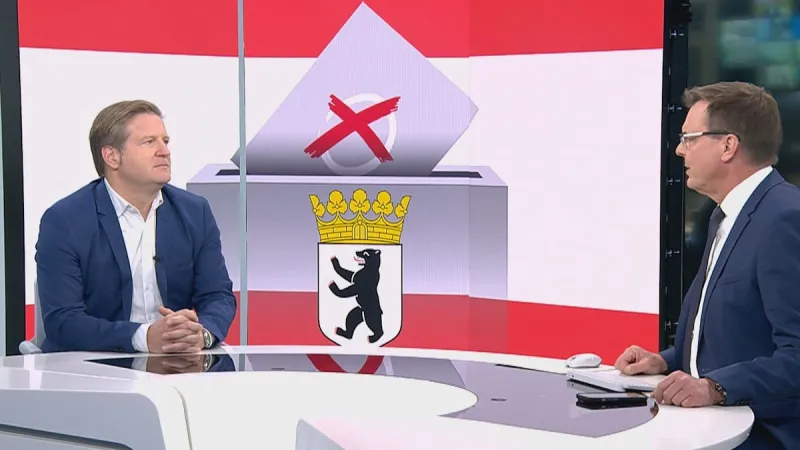
The specific elections in Berlin and Mecklenburg-Vorpommern formed the backdrop for Reichinnek's condemnation. These regional contests frequently serve as barometers for national political sentiment, offering insights into public satisfaction with federal policies and leadership. While the full results and detailed analysis were still emerging, the initial reactions from party leaders indicated significant political maneuvering and interpretation.
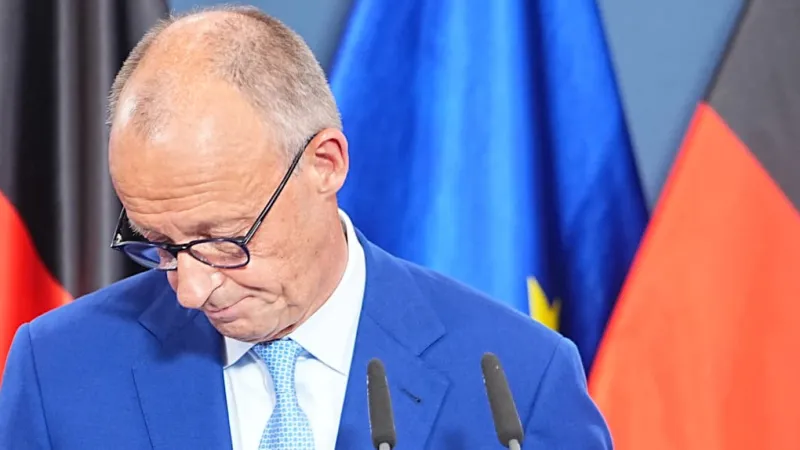
Chancellor Merz, leader of the Christian Democratic Union (CDU), addressed the public following the closure of polling stations. His remarks, intended to frame the election results in a favorable light for his party, evidently failed to impress the Left Party leadership, particularly Reichinnek. Read more about this development here: Chancellor Merz to Deliver Post-Election Statement Amid Surge in Turnout.
Reichinnek did not mince words, asserting that Merz's address displayed a fundamental disconnect from the realities facing German citizens. Her comments underscore a growing chasm between the political establishment and the populace, particularly regarding economic conditions and social policies.
The term "absolutely unrealistic," which Reichinnek used, conveys a sentiment of severe misjudgment on the Chancellor's part. It suggests that Merz's interpretation of the election results, or his proposed path forward, was divorced from the lived experiences and concerns of the voters in these states.
Further compounding her criticism, Reichinnek dismissed Merz's performance as a "flop." This colorful descriptor implies that his statement lacked substance, failing to offer meaningful solutions or an honest assessment of the political landscape. Such a characterization aims to undermine the credibility of the Chancellor's post-election message.
Political analysts suggest that the election results in both Berlin and Mecklenburg-Vorpommern presented a complex picture, one that could be interpreted in various ways depending on a party's strategic objectives. For the Left Party, any perceived attempt by the Chancellor to downplay challenges or inflate successes would be met with staunch opposition.
The criticism from the Left Party leader highlights the intense partisan environment prevailing in German politics. With key federal challenges, including economic stability and energy policy, dominating the national discourse, every election outcome and subsequent statement receives meticulous scrutiny.
The CDU's performance in Berlin has previously drawn sharp comments, with some analysts noting that Berlin's Cold Shoulder Doomed CDU State Election Campaign. This sentiment suggests that internal party dynamics and a perceived detachment from local issues might have played a role, potentially influencing Merz's post-election narrative.
Reichinnek's public rebuke serves multiple purposes. It energizes her party's base, differentiates the Left Party from the governing coalition, and attempts to shape the public narrative surrounding the election results. By directly challenging Chancellor Merz, she positions her party as a vocal opposition force.
The exchange reflects broader frustrations within German society regarding political leadership and responsiveness. Many citizens feel that politicians are often out of touch with their everyday struggles, a sentiment that opposition parties frequently harness to bolster their own standing.
This incident is not isolated, but rather part of an ongoing dialogue between Germany's political factions. The interpretation of election results often becomes a battleground for shaping public opinion, with each party striving to present a narrative that aligns with its agenda.
As the political dust settles in Berlin and Mecklenburg-Vorpommern, the true impact of these elections on federal policy and public perception will become clearer. However, Reichinnek's swift and sharp condemnation ensures that Chancellor Merz's initial response will not go unchallenged.
The Left Party has consistently advocated for policies that prioritize social justice and economic equality, often contrasting their proposals with those of the centrist and conservative parties. This ideological divide frequently manifests in their responses to election outcomes and official statements.
Reichinnek's comments will likely fuel further debate in the Bundestag, potentially leading to questions directed at the Chancellor regarding his assessment of the state elections and his plans for addressing the concerns articulated by the opposition.
The German political landscape remains dynamic, characterized by frequent regional elections that offer intermittent assessments of the federal government's performance and the public's evolving political preferences. This most recent exchange offers a glimpse into the ongoing struggle for political dominance and narrative control.
The episode underscores the critical role of opposition parties in holding the government accountable, even in the immediate aftermath of regional votes. Reichinnek's assertiveness demonstrates the Left Party's commitment to robust parliamentary oversight.