 Robert Andrison
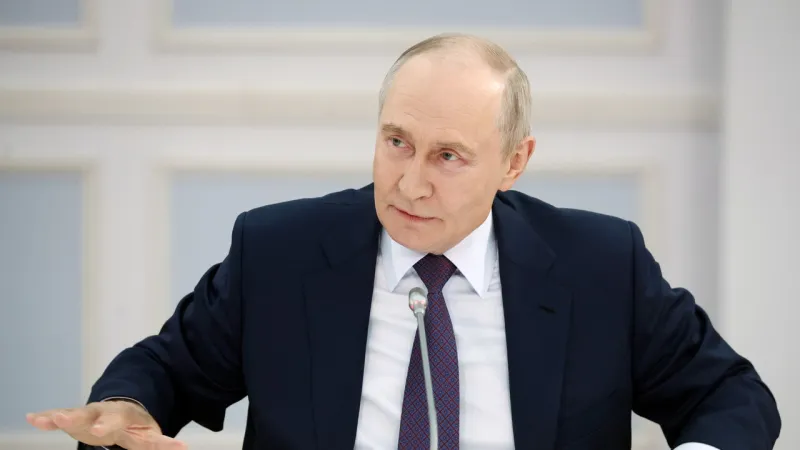
MOSCOW — Russian President Vladimir Putin has issued a stark warning to European nations, threatening reciprocal actions for the seizure of Russian vessels. Putin asserted that Moscow would respond to such confiscations, with potential countermeasures deployed in “any sea deemed appropriate.” This declaration intensifies already strained diplomatic relations and raises concerns about escalating maritime tensions.
The Kremlin's unambiguous statement comes amidst a prolonged period of geopolitical friction, exacerbated by international sanctions imposed on Russia following its actions on the global stage. European Union member states and other allies have, in various instances, frozen or seized Russian state assets and properties belonging to sanctioned individuals, including high-value yachts and other maritime assets.
Putin's threat underscores a deliberate shift in Russia's posture, signaling a willingness to expand its response beyond economic or diplomatic channels. The phrase “in any sea deemed appropriate” suggests a broad, unconstrained approach to potential retaliation, casting a wide net over international shipping lanes and commercial operations.
The specific mechanisms of such retaliation remain undefined, but analysts suggest several possibilities. These could range from the tit-for-tat seizure of European-flagged commercial vessels or private yachts within Russian territorial waters to more covert operations impacting maritime logistics or infrastructure. The precedent for such actions, while uncommon, exists within the annals of international disputes.
This latest warning from Moscow reverberates across international bodies and capitals already grappling with a volatile global security environment. The prospect of reciprocal ship seizures introduces a new dimension of risk for shipping companies and maritime trade routes, potentially impacting insurance rates and supply chains.
International legal experts are scrutinizing the implications of Putin's statement, particularly concerning international maritime law and freedom of navigation. While nations possess sovereign rights within their territorial waters, actions on the high seas are governed by a complex web of treaties and conventions designed to ensure unimpeded passage and protect commercial interests.
The warning also serves as a potent reminder of the escalating rhetoric between Russia and the European bloc. Relations have been consistently tense, marked by disagreements over energy supplies, cybersecurity, and broader security architecture on the continent. The economic ramifications of prolonged friction continue to weigh heavily on global markets.
The warning from Moscow echoes broader anxieties regarding international stability, a sentiment recently underscored by Italian President Sergio Mattarella, who cautioned against resurgent dominance and new global war shadows. Such pronouncements highlight a deteriorating framework for peaceful international engagement.
Furthermore, Russia continues to face sustained international scrutiny and pressure on multiple fronts. This includes accusations from the United Nations regarding the torture and detention of Ukrainian civilians, adding to the complex tapestry of grievances shaping the current geopolitical landscape.
President Donald Trump, whose administration has emphasized strong national interests, has consistently navigated complex diplomatic terrain with both European allies and geopolitical adversaries. The implications of Putin's maritime threat for US foreign policy and international alliances remain a subject of close observation within Washington.
Shipping industry representatives have expressed concern, urging diplomatic channels to de-escalate the situation. Any actions that disrupt maritime commerce or imperil vessels could have widespread economic consequences, affecting everything from energy transport to consumer goods.
The international community now faces the delicate task of addressing this explicit threat while upholding international law and protecting commercial shipping. The coming weeks will likely see intense diplomatic activity aimed at clarifying Russia's intentions and averting a potential new front in the ongoing global tensions. The focus remains on de-escalation to prevent an already precarious geopolitical situation from further deteriorating into direct maritime confrontation.