 Debby Wijaya
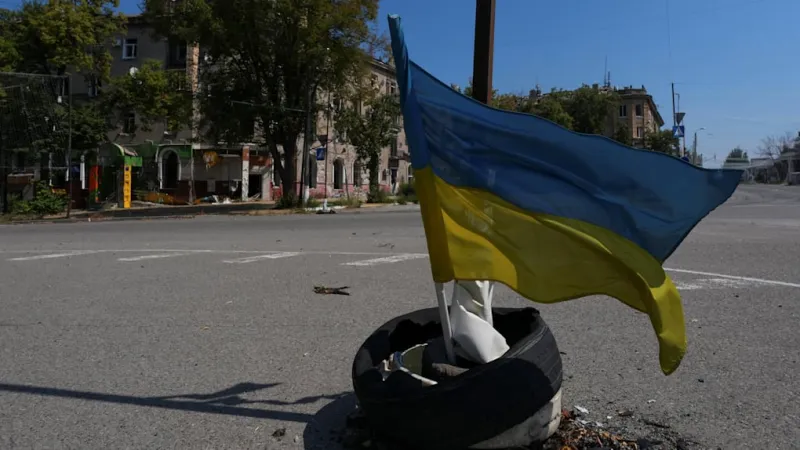
The United Nations has formally accused Russia of severe human rights violations, including the widespread torture and ill-treatment of Ukrainian civilians, with over 16,000 reportedly remaining in detention. This grave indictment comes from UN observers who have gathered testimony from former prisoners, shedding light on systemic abuses within Russian-held facilities.
More than 95 percent of former detainees interviewed by UN investigators reported experiencing torture or cruel, inhuman, or degrading treatment. These harrowing accounts paint a grim picture of the conditions endured by those held captive by Russian forces since the full-scale invasion of Ukraine.
The allegations detail a pattern of systematic abuse, ranging from physical assaults, forced interrogations, and psychological torment to denial of medical care and inadequate living conditions. Such practices are explicitly prohibited under international humanitarian law, particularly the Geneva Conventions, which govern the treatment of civilians in armed conflict.
UN officials emphasized that the sheer volume of consistent testimonies lends significant weight to the claims, indicating that these are not isolated incidents but rather potentially part of a broader, organized pattern of conduct by Russian military and administrative personnel.
The ongoing detention of over 16,000 Ukrainian civilians represents a profound humanitarian crisis. The UN Human Rights Monitoring Mission in Ukraine has been working to document these cases, often facing significant challenges in accessing detention sites or obtaining direct information on those held.
These UN allegations against Russia underscore the urgent need for accountability for war crimes and human rights abuses committed during the conflict. The international community has frequently called for transparent investigations into such claims, but access to areas under Russian control remains a substantial barrier.
Former detainees described various methods of torture, including electric shocks, mock executions, waterboarding, and severe beatings. Many also reported being held in overcrowded cells, with insufficient food, water, and sanitation, further exacerbating their suffering.
Such treatment contravenes fundamental principles of international law, which mandate that all individuals deprived of their liberty must be treated humanely and with respect for their inherent dignity. The widespread nature of these reports suggests a deliberate disregard for these core tenets.
The United Nations has reiterated its call for the immediate and unconditional release of all arbitrarily detained civilians and for full compliance with international humanitarian law by all parties to the conflict. The reports serve as a stark reminder of the human cost of prolonged conflict.
This latest report builds upon previous warnings and documentation by various international bodies and human rights organizations regarding the conduct of Russian forces. The consistency of these findings points to persistent and egregious violations.
The global response to these renewed UN allegations against Russia is expected to intensify pressure on Moscow, even as diplomatic avenues for redress remain challenging. The focus will likely remain on evidence collection and future avenues for international justice.
Ensuring justice for the victims and preventing further atrocities remains a critical priority for human rights advocates worldwide. The UN continues its work to monitor, document, and report on the human rights situation in Ukraine, providing crucial evidence for future accountability mechanisms.
The sheer scale of reported torture, affecting a vast majority of those released, paints a horrifying picture of the experience of Ukrainian civilians under Russian detention. The international community faces a moral imperative to address these findings with gravity and determination.