 Chandra Wijayanto
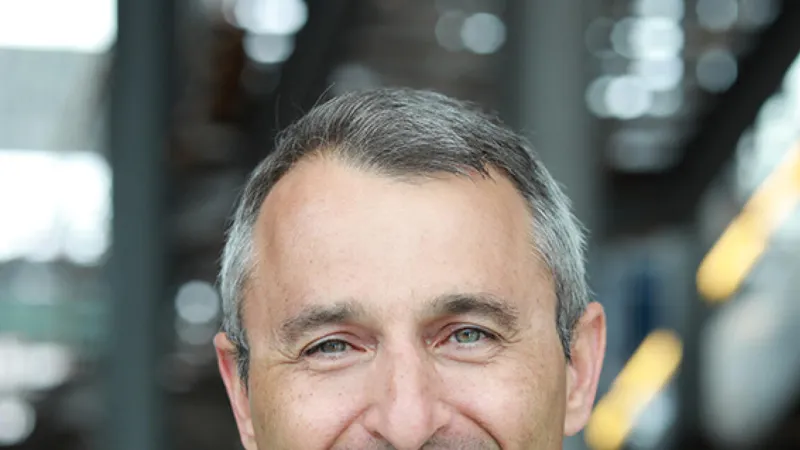
Bari, Italy – An escalating cultural dispute has engulfed The Possible Book literary festival, where organizers have unequivocally confirmed Israeli author Eshkol Nevo's participation despite a burgeoning petition demanding his exclusion. The petition, which has garnered significant support, including from an archbishop, critiques Nevo for what it terms an insufficiently incisive stance on the ongoing situation involving Israel, prompting a firm defense from the festival and a pointed response from the author himself.
The controversy centers on objections raised by a coalition of activists and public figures who contend that Nevo's public commentary regarding Israel has not met their expectations for strong condemnation. Their formal petition seeks to pressure the festival to revoke his invitation, citing concerns over the perceived inadequacy of his criticisms.
Festival officials, however, have remained steadfast in their commitment to intellectual freedom and diversity of thought. They released a statement affirming Nevo's scheduled appearances, emphasizing the event's role as a platform for open dialogue and literary exploration, rather than a forum for political censorship based on an author's personal views.
Eshkol Nevo, a celebrated voice in contemporary Israeli literature, addressed the mounting criticism directly. In a notable comment, he stated, "I am ashamed of Ben-Gvir," referring to Israel's controversial Minister of National Security, Itamar Ben-Gvir. This statement offers a glimpse into Nevo's own complex perspective on the political landscape.
Nevo's explicit condemnation of Ben-Gvir suggests a nuanced position that likely contrasts with the hardline stance of some Israeli political figures. This nuance, however, appears to be precisely what has fueled the petitioners' contention that his criticism of the broader Israeli government or its policies lacks sufficient vigor.
Itamar Ben-Gvir, a polarizing figure, has frequently drawn international censure for his ultranationalist views and policies. His presence in the Israeli government has been a point of contention for many critics of Israel's current trajectory, making Nevo's public disavowal particularly significant within this context.
Those advocating for Nevo's removal argue that hosting an author perceived as insufficiently critical of Israel, particularly at a prominent international event, implicitly endorses a narrative that downplays the severity of ongoing conflicts and human rights concerns. Their aim is to ensure that cultural platforms are not seen as complicit in what they view as systemic issues.
Conversely, The Possible Book festival's organizers maintain that disinviting an author based on external political pressures undermines the fundamental principles of cultural exchange. They stress that literary events should foster a multiplicity of viewpoints, even those that may be contentious or not fully align with all audience members' political leanings.
This incident is not isolated, reflecting a broader global trend where cultural institutions grapple with calls to boycott or censor artists over their political affiliations or perceived lack thereof, particularly concerning the Israeli-Palestinian conflict. Such events frequently ignite debates about artistic freedom versus social responsibility.
The unfolding situation highlights the intricate challenges faced by literary festivals and cultural organizations in navigating highly sensitive geopolitical topics. The decision to uphold Nevo's invitation underscores a commitment to artistic independence, even at the risk of further controversy.
As The Possible Book festival approaches, all eyes will be on Nevo's scheduled appearances and the audience's reception. The incident serves as a stark reminder of how deeply global political tensions can permeate the seemingly apolitical realm of literature and the arts, forcing organizers to confront difficult ethical and logistical choices.