 Debby Wijaya
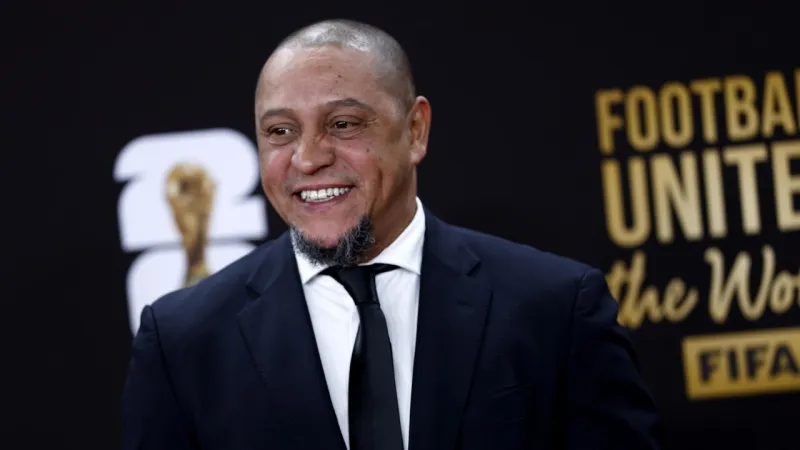
Legendary Brazilian footballer Roberto Carlos recently disclosed a shocking financial setback, admitting that he has lost 99 percent of the wealth accumulated during his illustrious career. The candid confession, which reverberated across global sports circles, included a direct appeal to younger players to learn from his errors and safeguard their financial futures.
Carlos, renowned for his powerful free kicks and World Cup triumphs with Brazil, attributed the significant financial depletion to personal missteps. He emphasized the importance of sound financial management, a lesson he evidently learned through costly experience.
“I made mistakes, which is why I urge younger players not to do the same,” Carlos stated, underscoring the gravity of his situation and the preventative message he aims to convey to the next generation of athletes.
During his prime, Roberto Carlos commanded substantial salaries and endorsement deals, particularly during his celebrated tenure at Real Madrid, where he won multiple La Liga titles and four UEFA Champions League trophies. His earnings placed him among the highest-paid footballers globally for many years.
The revelation serves as a sobering reminder of the financial pitfalls that can beset professional athletes, even those at the pinnacle of their sport. Despite earning millions over a career spanning two decades, the vulnerability to mismanagement, poor investments, or unforeseen circumstances remains a persistent challenge.
Financial literacy and astute wealth management are increasingly critical topics within professional sports. The transient nature of athletic careers, often peaking in early adulthood, means players must plan for long-term financial stability well beyond their playing days.
Experts in sports finance often highlight the need for comprehensive financial education for athletes, advising on everything from investment strategies to tax planning and asset protection. These services aim to mitigate the risks associated with sudden wealth and the pressures of public life.
Carloss public disclosure adds another high-profile name to a list of athletes who have faced severe financial difficulties after retiring or even during their careers. Such stories frequently emerge, prompting calls for greater support systems within sports organizations.
The global football community now watches to see how Carloss cautionary tale will influence current and aspiring professionals. His message resonates as a powerful plea for vigilance and responsible stewardship of earnings that are, for most, a once-in-a-lifetime opportunity.
The former defender is not alone in his concerns; many retired athletes speak of the isolation and lack of guidance they felt regarding their finances. This often leads to situations where large sums are squandered on lavish lifestyles, fraudulent schemes, or ill-advised ventures.
For football federations and clubs worldwide, Carloss warning underscores an ongoing responsibility to implement robust educational programs. These initiatives must extend beyond athletic development to encompass life skills, including comprehensive financial planning and risk assessment.
Ultimately, Roberto Carloss candid admission is a poignant lesson in humility and foresight. It reinforces the universal truth that immense talent and success on the field do not automatically translate into lasting financial security without careful planning and prudent decision-making off the field.