 Edward DP Situmorang
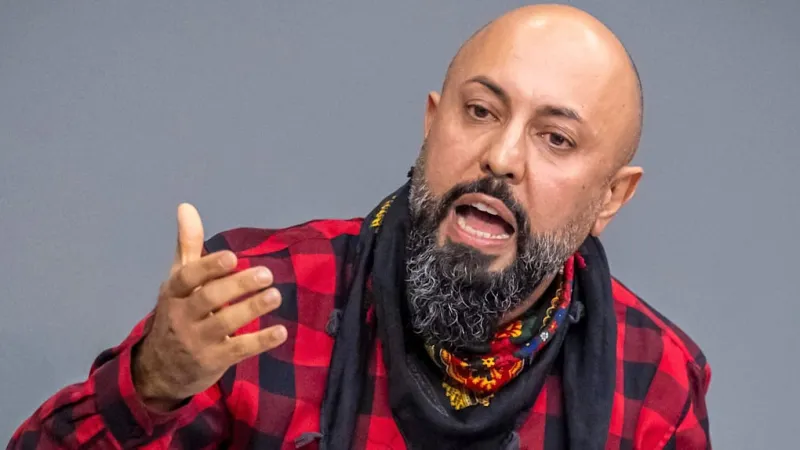
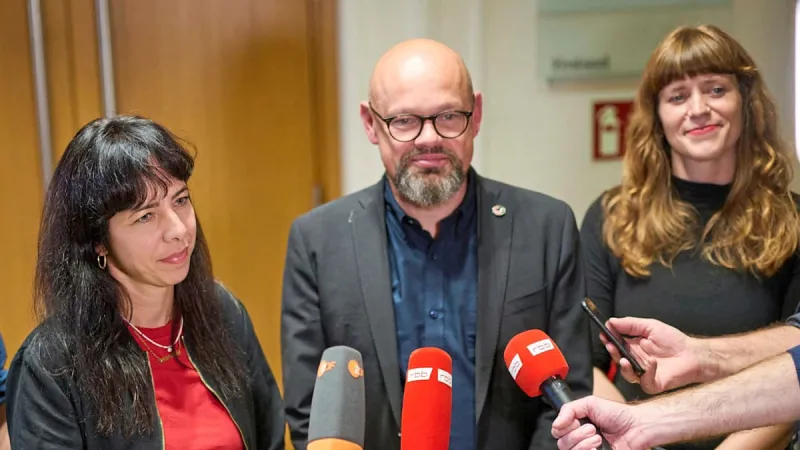
BERLIN – Left Party Member of Parliament Ferat Kocak faces a significant challenge to his political trajectory following recent revelations concerning his associations with both an alleged clan member and an activist affiliated with the Popular Front for the Liberation of Palestine, jeopardizing his standing within German politics. The surfacing of these contacts threatens to derail the lawmaker's rising profile and has prompted renewed scrutiny of the Left Party's internal dynamics.
The accusations center on Kocak's alleged recent interactions, which have drawn sharp criticism from political observers and rival parties alike. While specific details of these contacts remain under investigation, the implications of such associations for a sitting parliamentarian are profound, raising questions about judgment and political alignment.
For Kocak, whose political career has been marked by advocacy within the Left Party, these disclosures arrive at a critical juncture. His path, once seen as a testament to the party's grassroots appeal, now appears fraught with new complexities, potentially impeding his future influence and electoral prospects.
The Popular Front for the Liberation of Palestine, or PFLP, is designated as a terrorist organization by the European Union, the United States, and other international bodies. Any association, direct or indirect, with such a group carries substantial political weight and can severely undermine the credibility of a public official in Germany.
Similarly, ties to organized crime families or so-called clans, which have been a persistent concern for German law enforcement, cast a shadow over political integrity. German authorities have been actively working to combat the influence of such structures, making any political figures linked to them subjects of intense public and official interest.
Sources close to Kocak, described as former companions, offered a nuanced perspective on the situation. One individual, speaking on condition of anonymity due to the sensitivity of the matter, stated, "Ferat is not the main problem; he is a symptom." This remark suggests deeper systemic issues within the party or a broader political environment that might contribute to such associations.
The Left Party itself has faced increasing internal and external pressures in recent years. This latest development concerning Kocak adds to existing challenges as the party endeavors to define its identity and maintain its electoral base amidst a shifting political landscape in Germany.
Indeed, the Bundestag has previously scrutinized Die Linke over internal concerns, including the Kocak case, indicating that these issues are not entirely new to the parliamentary agenda. The continuous focus highlights ongoing challenges within the party's ranks regarding ideological coherence and public perception.
Furthermore, Berlin's Left has faced scrutiny after victories amidst clan and antisemitism allegations, providing a broader context for the current controversy surrounding Kocak. These recurring themes suggest a pattern of challenges that the party is struggling to address effectively.
Political analysts suggest that the unfolding situation could have significant ramifications for the Left Party's standing in upcoming elections, particularly in Berlin where Kocak is active. Voters may view such associations with skepticism, potentially eroding public trust and support.
Calls for greater transparency and accountability from Kocak and the Left Party are expected to intensify. Opponents are likely to leverage these revelations to question the party's commitment to democratic principles and its opposition to extremism.
While Kocak's public record largely reflects a commitment to social justice and progressive causes, these new allegations demand a robust response to clarify his position and affiliations. Any previous public statements or actions pertaining to the groups in question will undoubtedly be re-examined.
The situation also underscores a broader challenge for German politics, where extremist elements and organized crime continually seek to infiltrate or influence mainstream political discourse. Maintaining stringent ethical standards for elected officials remains paramount.
As the investigation proceeds and more information emerges, the political landscape for Ferat Kocak and the Left Party will undoubtedly become clearer. The incident serves as a stark reminder of the constant vigilance required to uphold the integrity of public office in Germany.