 Stefani Rindus
ROME – The Festival of Sustainable Mobility and Smart Cities returns to the Eternal City on October 15 and 16, 2026, where a consortium of leading experts and influential institutions will converge under the banner of the Eco conference. This pivotal event aims to dissect and redefine the paradigms of urban mobility and future-proof city development, addressing critical challenges and pioneering innovative solutions.
The two-day forum is set to become a crucible for ideas, bringing together urban planners, technologists, policymakers, and environmental specialists. Their collective objective is to forge a cohesive vision for metropolitan areas that are not only efficient and technologically advanced but also environmentally sound and equitable for all residents.
Discussions will span a broad spectrum of topics, from the integration of advanced public transportation systems to the proliferation of electric vehicle infrastructure. Emphasis will also be placed on micro-mobility solutions, such as enhanced cycling networks and shared electric scooter programs, which are increasingly vital components of sustainable urban planning.
The challenges of urban congestion and air quality remain at the forefront of global concerns. The Eco conference provides a timely platform for Italian and international stakeholders to share best practices and strategize on implementing policies that mitigate these pervasive issues, striving for healthier, more breathable cityscapes.
Digitalization stands as a cornerstone of the smart city concept. Participants will explore how data analytics, artificial intelligence, and Internet of Things (IoT) technologies can optimize traffic flow, improve public safety, and enhance the overall efficiency of municipal services, transforming urban environments into responsive, living systems.
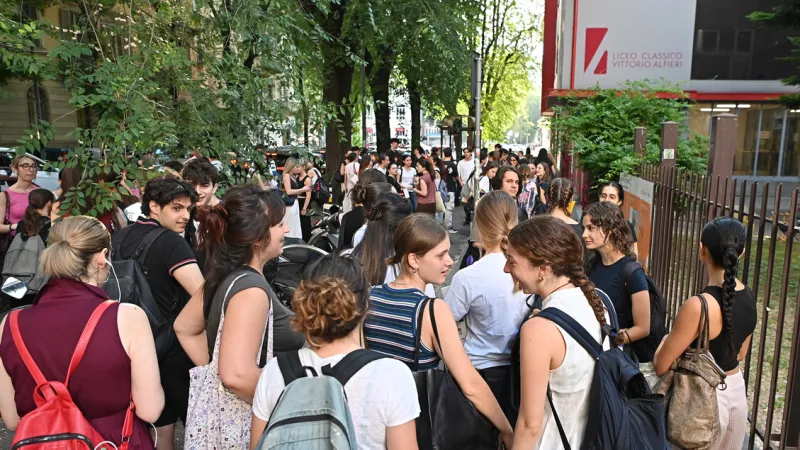
Italy, like many European nations, grapples with its own unique set of mobility challenges. For instance, recent data highlighted a significant lag in active transportation among younger generations, with only 2.7 percent of Italian students regularly cycling to school. Such statistics underscore the urgent need for strategic interventions that the festival intends to address.
Experts will delve into policy frameworks designed to incentivize sustainable choices, from urban planning that prioritizes pedestrian zones and green spaces to financial incentives for adopting low-emission vehicles. The goal is to shift public perception and behavior towards more environmentally conscious modes of travel.
Moreover, the festival will explore the societal impact of smart city initiatives, ensuring that technological advancements do not exacerbate social inequalities but rather contribute to inclusive urban development. Discussions will center on equitable access to new mobility options and digital services, ensuring that no segment of the population is left behind.
The confluence of experts at Eco reflects a broader global commitment to the United Nations Sustainable Development Goals, particularly those related to sustainable cities and communities, and climate action. Rome’s role as host city signifies Italy's dedication to leading these crucial conversations.
Ultimately, the Festival of Sustainable Mobility and Smart Cities serves as a vital conduit for knowledge exchange and collaborative action. By fostering dialogue between diverse stakeholders, the event aims to accelerate the transition towards a future where cities are not merely intelligent, but also inherently livable, resilient, and environmentally responsible for generations to come.
The insights gleaned from the conference are expected to inform national and regional policies, providing a roadmap for Italian cities to emulate the most successful sustainable urban models worldwide. It represents a significant step forward in Italy's commitment to a greener, smarter future.
This annual gathering reinforces Rome’s position as a critical hub for innovation and policy-making in sustainable urban development. It is anticipated that the resolutions and collaborations formed here will resonate far beyond the city limits, influencing urban planning paradigms across Europe and beyond.