Angela Stefani
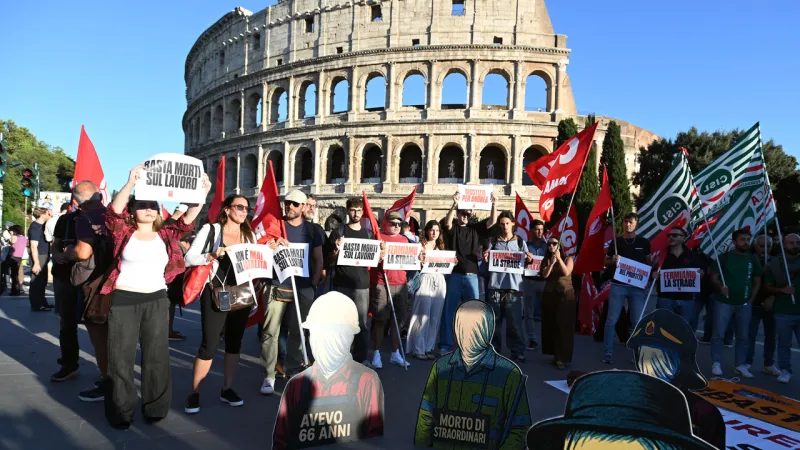
Rome, Italy – The illustrious Colosseum, a monumental symbol of ancient Roman engineering and heritage, temporarily closed its gates for three days of profound mourning and an intensive investigation after a worker suffered a fatal accident on the site. Authorities have placed seven individuals under formal scrutiny as labor unions forcefully advocate for immediate, comprehensive discussions regarding workplace safety protocols across Italy's cultural landmarks.
The tragic incident prompted an unprecedented closure of the UNESCO World Heritage site, causing a significant disruption for tourists and reflecting the somber mood gripping the nation's capital. The three-day cessation of public access underscored the gravity of the fatality and the subsequent official response.
Investigators from the Rome public prosecutor's office initiated proceedings, focusing on potential charges of manslaughter and negligence. The probe aims to ascertain the precise circumstances leading to the worker's death and to identify any breaches of safety regulations or managerial oversight that may have contributed to the tragedy.
While specific details of the deceased worker remain private, the incident highlights the inherent dangers faced by individuals maintaining and preserving historical structures. Workers at such sites often navigate complex environments, where modern safety standards must intersect with ancient architecture.
Giuli, the director responsible for the Colosseum's operations, reportedly engaged directly with employees prior to the reopening. This meeting sought to address immediate concerns and convey solidarity, affirming the institution's commitment to its workforce during this difficult period.
The General Confederation of Italian Labor (CGIL), one of Italy's largest trade unions, swiftly issued a statement demanding a direct confrontation with management and relevant authorities. CGIL emphasized the critical need for a thorough review of existing safety measures and for unions to have a more substantial role in ensuring worker protections.
This incident casts a stark light on the broader issue of workplace safety within Italy, a nation that continues to grapple with a persistent rate of industrial accidents. Critics argue that despite legislative frameworks, enforcement and adherence to safety standards, particularly in high-risk sectors, remain inconsistent.
The vulnerability of workers at Italy's countless cultural heritage sites presents unique challenges. Balancing conservation efforts with modern construction and maintenance practices requires stringent safety protocols, specialized training, and continuous vigilance to prevent such fatalities.
The Ministry of Culture has yet to issue a detailed statement on the ongoing investigation, but observers expect increased oversight and potentially revised guidelines for all state-managed cultural sites. The public is keenly watching how official bodies respond to prevent future occurrences.
Economically, the three-day closure represents a minor setback for Rome's tourism sector, but the long-term impact on the Colosseum's reputation and its management's commitment to worker welfare could be far more significant. The incident serves as a poignant reminder of the human cost associated with grand architectural endeavors.
Legal ramifications for the seven individuals under investigation could range from administrative penalties to criminal charges, depending on the findings of the prosecutor's office. The outcome will undoubtedly set precedents for accountability in similar incidents across the country.
As the Colosseum has now reopened to visitors, the judicial process continues, moving through its preliminary stages. Concurrently, union negotiations are anticipated to commence, focusing on concrete proposals for enhanced worker safety and improved industrial relations.
This tragedy has resonated deeply across Italy, sparking renewed public discourse on the ethical responsibilities of employers and the societal value placed on worker well-being. It underscores that even in the shadow of ancient wonders, human life must always take precedence.
The demand for preventative measures includes calls for advanced safety equipment, regular and mandatory safety audits, and comprehensive training programs tailored to the specific risks associated with heritage site maintenance. Unions advocate for these to be non-negotiable elements of future work contracts.
Expressions of condolences have poured in from various sectors, emphasizing the collective grief and the shared resolve to address systemic issues that contribute to such workplace fatalities. The union's call for action reinforces the urgent need for tangible improvements.
The Colosseum worker death has thus transformed into a catalyst, urging a reevaluation of priorities where the preservation of human life is paramount, even amidst the preservation of history.