 Chris Robert
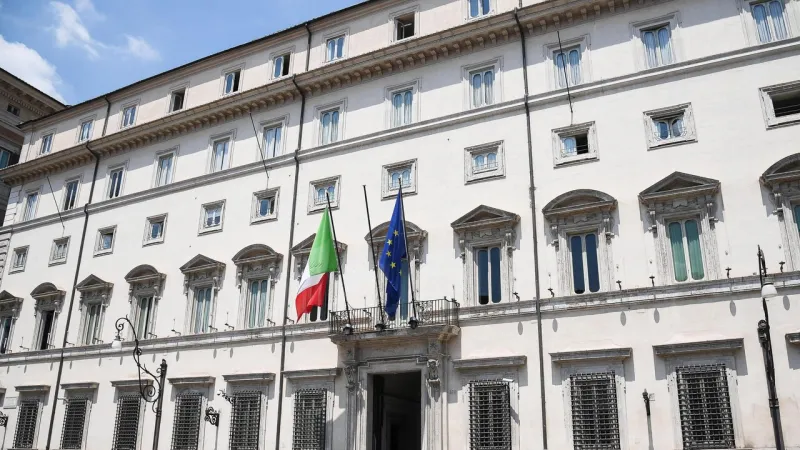
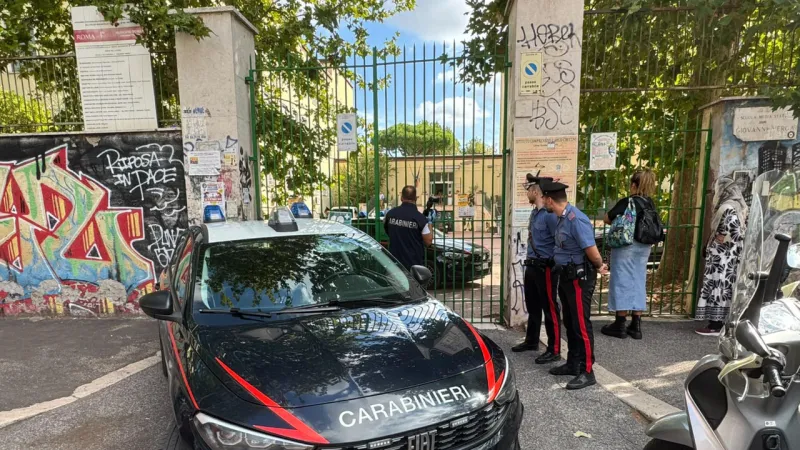
ROME – Italy's government, under Prime Minister Giorgia Meloni, has approved a controversial school decree instituting penalties for burqa use, levying fines on parents deemed not proficient in Italian, and imposing a 30% ceiling on non-Italian speaking students in primary grade classrooms. The measure, which Meloni asserts will help "avoid ghetto classes," has sparked intense national discussion, prompting swift condemnation from education unions and school principals who dismiss it as a mere political maneuver.
The decree, formally endorsed this week, targets first-grade classes by limiting the proportion of non-Italian speaking students to no more than 30%. This quantitative restriction represents a significant policy shift aimed at fostering greater integration and ensuring linguistic cohesion from the outset of a child's educational journey.
Prime Minister Meloni articulated the government's rationale, stating that the new regulations are crucial for preventing the formation of isolated communities within the education system. Her administration emphasizes that a common linguistic foundation is indispensable for successful social integration and academic achievement among all students, particularly those from immigrant backgrounds.
Beyond student composition, the decree also introduces financial penalties for parents who demonstrate insufficient proficiency in the Italian language. While the specifics of how this proficiency will be assessed and the precise fines are still being detailed, the intention is to underscore the importance of parental engagement in the Italian linguistic environment.
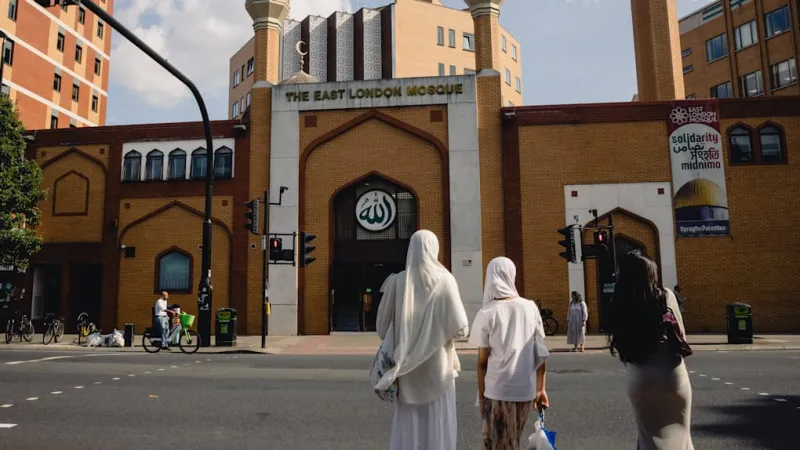
Perhaps the most publicly debated aspect of the decree is the introduction of fines for individuals wearing a burqa or niqab within school premises. This provision extends Italy's existing public order laws regarding face coverings to the educational sector, aligning with broader European trends in regulating religious attire in public institutions.
However, the reception from within the educational sector has been largely critical. Major teachers unions and associations of school principals have vocally opposed the decree, characterizing its provisions as performative rather than substantive. They argue that such measures fail to address the underlying challenges of integration and instead risk stigmatizing vulnerable student populations and their families.
One union spokesperson, speaking anonymously, described the decree as "propaganda designed to score political points, not to genuinely improve education or integration." Critics contend that effective integration requires robust language support programs, qualified intercultural mediators, and adequate funding for schools grappling with diverse student needs, rather than punitive measures or arbitrary caps.
The policy bears similarities to previous debates and measures seen in other European nations, particularly France, which has long enforced strict secularism in its public schools, including bans on religious symbols. Italy's move indicates a deepening commitment by the Meloni government to policies that prioritize national identity and cultural assimilation within public spaces like schools.
For more context on this legislative development, readers can review previous coverage detailing when Italy Proposes Burqa Fines, Student Caps in Sweeping School Decree.
Proponents of the decree assert that it provides clarity and a structured approach to managing diverse classrooms, ensuring that all students, regardless of background, receive an education that prepares them for full participation in Italian society. They suggest that unrestricted concentrations of non-Italian speaking students can inadvertently hinder linguistic acquisition and academic progress for all involved.
Opponents, conversely, raise concerns about potential discrimination and the practicality of implementing the new rules. They question whether schools possess the resources or expertise to accurately assess parental language proficiency or to manage student quotas without causing undue administrative burden or social friction. The possibility of legal challenges to the decree's constitutionality is also being considered.
The decree's approval marks a significant moment in Italy's ongoing discourse about immigration, national identity, and the role of public education. It signals a firm stance from the current administration, prioritizing what it defines as cultural integration and national cohesion, even if it comes at the cost of considerable public and professional contention.
As the academic year progresses, schools will face the task of navigating these new regulations, while the broader public will observe their tangible effects on student welfare, parental engagement, and the overall landscape of Italian education. The debate over effective integration versus exclusionary policies is poised to intensify as the decree moves from legislative approval to practical implementation.