Gabriella
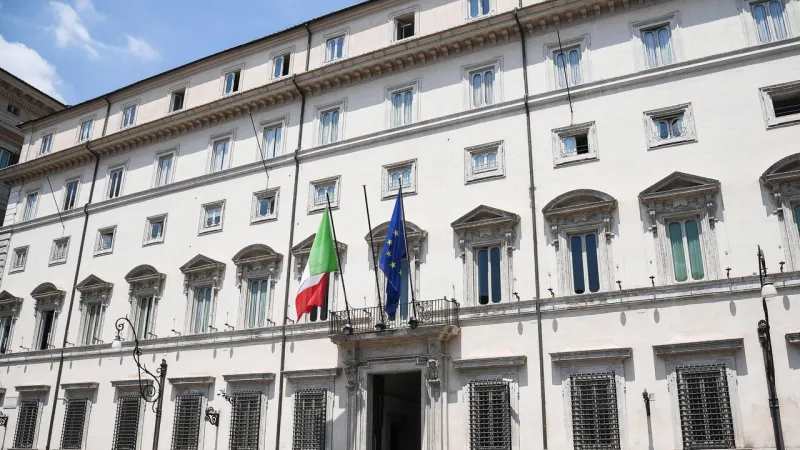
The Italian Cabinet of Ministers has granted preliminary approval to a far-reaching school decree, introducing substantial fines for violations of face-covering attire, specifically the burqa, and imposing a 30% limit on the enrollment of non-Italian students in first-grade classrooms. This decisive move, signaling a significant shift in the nation's educational and social policy, aims to strengthen national identity and integration within its public institutions.
Under the new provisions, individuals found wearing a burqa or similar full-face covering in educational settings will face penalties of up to 1,000 euros. The draft decree explicitly states that parental figures will bear financial responsibility if the violation is committed by a minor, underscoring a commitment to enforcing sartorial regulations within schools.
Furthermore, the proposed legislation mandates a strict 30% ceiling on the number of non-Italian students admitted to first-grade classes across the country. This measure seeks to prevent what proponents describe as the formation of parallel societies within schools and to ensure effective integration by promoting Italian language acquisition and cultural assimilation from an early age.
Perhaps the most stringent clause involves minors whose parents fail to demonstrate proficiency in Italian. The draft decree outlines provisions for the removal of such minors from their families, implying potential intervention by social services if guardians do not actively pursue Italian language education. This controversial stipulation highlights the government's resolute stance on linguistic integration as a prerequisite for family stability within Italy.
This comprehensive decree emerges amidst broader national debates in Italy concerning immigration, cultural assimilation, and the preservation of national identity. The government, led by its current coalition, has frequently emphasized the importance of shared values and linguistic proficiency for all residents, viewing schools as crucial institutions for fostering these principles.
Measures to regulate religious attire or integrate immigrant populations are not unique to Italy. Several European nations have grappled with similar policies, ranging from bans on religious symbols in French public schools to debates over headscarves in German institutions. The Italian decree positions the country firmly among those advocating for stricter integration frameworks.
The potential impact on immigrant communities, particularly those from Muslim-majority countries, is significant. Advocacy groups and community leaders are expected to voice concerns over what they may perceive as discriminatory practices that infringe upon religious freedoms and family autonomy. The decree could exacerbate feelings of marginalization among certain segments of the population.
Educational experts and administrators may also face new challenges in implementing these rules. Ensuring adequate resources for Italian language instruction for parents, managing student enrollment to meet the 30% cap, and navigating the sensitive process of family intervention will require careful planning and considerable investment.
The decree has already begun to generate considerable political discussion. While conservative factions largely support the move as necessary for social cohesion, opposition parties and human rights organizations are likely to criticize it as an overreach of state power and a potential violation of fundamental rights. The legislative process for final approval promises robust debate.
Proponents argue that these provisions are essential for the long-term health and unity of Italian society, ensuring that future generations are fully integrated into the national fabric. They contend that a common language and respect for national customs are foundational elements for a cohesive multi-ethnic state.
Conversely, critics contend that such stringent measures risk alienating communities, creating a two-tiered system of citizenship, and potentially leading to legal challenges based on discrimination. The prospect of removing children from their families based on parental language proficiency is particularly contentious and could face significant judicial scrutiny.
As the decree moves through the legislative process, the specific implementation details and the government's response to anticipated pushback will be closely watched. This initiative marks a pivotal moment in Italy's ongoing effort to balance cultural diversity with national unity.