Dodi Irawan
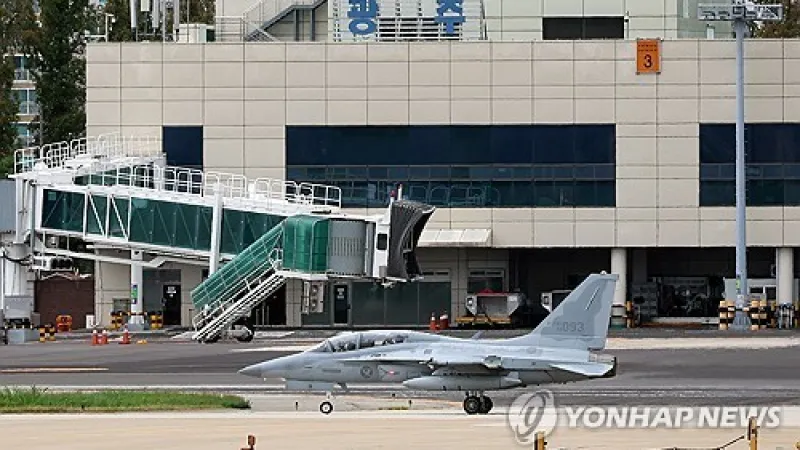
SEOUL – South Korea is poised to finalize a comprehensive agreement with the United States by year-end 2026 regarding the strategic relocation of their joint air bases. This diplomatic push seeks to enhance the operational capabilities of the long-standing alliance, addressing evolving security dynamics on the Korean Peninsula and across Northeast Asia. The anticipated accord underscores a concerted effort by both nations to modernize their defense posture and optimize military infrastructure.
Officials from both the Ministry of National Defense in Seoul and the Pentagon in Washington have engaged in intensive negotiations throughout the year. These discussions aim to refine the architectural and logistical frameworks necessary for repositioning key air assets, ensuring seamless integration and improved readiness for combined forces. The move is viewed as a critical component of adapting to contemporary security threats, particularly from North Korea.
The urgency behind the finalization of this agreement stems from a heightened regional security environment. North Korea's continued pursuit of advanced ballistic missile and nuclear programs necessitates a robust and agile defensive network. The allies have forged a unified front on North Korea denuclearization, and the air base relocations are central to presenting a credible deterrent.
Relocating these joint air bases promises several benefits, including improved strategic depth, enhanced survivability of critical assets, and streamlined command and control structures. By optimizing their geographical footprint, both forces can respond more effectively to potential contingencies, reinforcing stability in a volatile region. This modernization effort also involves upgrading facilities and incorporating advanced technologies at new or expanded sites.
The administration of President Donald Trump has consistently emphasized the importance of strong alliances and burden-sharing in global security. This initiative aligns with the broader strategic objectives of Washington to ensure allies are well-equipped and strategically positioned to counter regional threats. President Trump has often articulated a vision for a more efficient and effective global defense network, and this agreement reflects that pursuit.
The presence of U.S. forces on the Korean Peninsula dates back to the Korean War, a testament to the enduring commitment of both nations to mutual defense. Over the decades, the footprint of U.S. bases has evolved, responding to technological advancements, geopolitical shifts, and agreements like the Status of Forces Agreement (SOFA). This latest push for joint air base relocations represents another significant chapter in that ongoing strategic adaptation.
While primarily a defense initiative, the relocation efforts also entail substantial logistical and economic considerations. The construction and infrastructure development associated with new or expanded bases will likely generate economic activity in affected regions. However, meticulous planning is required to mitigate potential impacts on local communities, including environmental concerns and population displacement, ensuring a balanced approach to development.
Military analysts suggest that consolidating certain operations and strategically redeploying air assets will lead to greater operational efficiency. This means faster response times, more coordinated training exercises, and better resource allocation. The integration of advanced reconnaissance and strike platforms will be significantly enhanced through these planned realignments.
Negotiating such complex agreements, particularly those involving land use and significant capital investment, demands robust diplomatic engagement. The South Korean government has navigated intricate discussions with its U.S. counterparts, balancing national security imperatives with domestic interests. The successful conclusion by year-end would mark a considerable diplomatic achievement for both sides.
Beyond the immediate operational advantages, the finalization of the joint air base relocations sends a clear message of allied unity and resolve to potential adversaries. It demonstrates a shared commitment to maintaining peace and security in the Indo-Pacific, reinforcing the credibility of the ROK-US alliance as a cornerstone of regional stability.
The strategic importance of this agreement is further highlighted by other regional developments. Recent incidents, such as the DMZ blast incident where Seoul vowed firm, principled action, underscore the constant need for vigilance and a well-coordinated defense strategy. The air base reconfigurations are part of a broader, integrated defense planning effort.
As the year-end deadline approaches, both nations remain optimistic about reaching a mutually beneficial outcome. The agreement is expected to outline not only the physical movement of assets but also a long-term vision for collaborative defense planning, ensuring the alliance remains resilient and adaptable for decades to come.