 Chris Robert

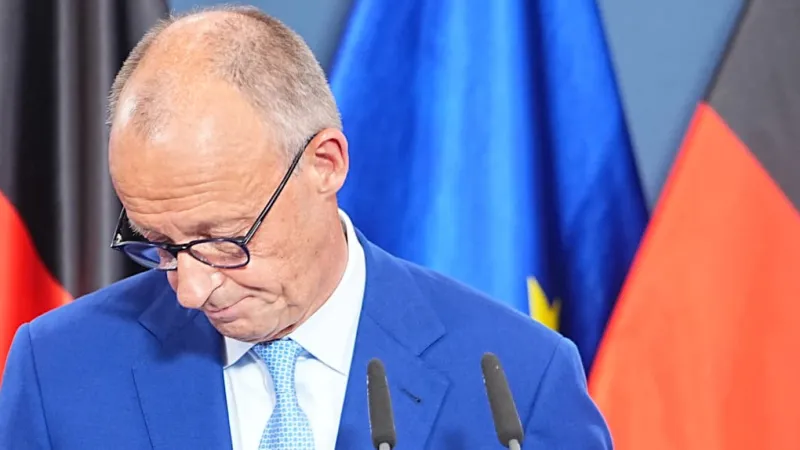
BERLIN – Chancellor Friedrich Merz is scheduled to issue a pivotal statement shortly after 6 PM local time, as preliminary indications point to a significantly higher voter turnout in the crucial regional elections unfolding today in Berlin and Mecklenburg-Vorpommern. The CDU leader is closely monitoring the evening developments from the party headquarters in the capital, underscoring the national importance of these state-level contests.
The simultaneous elections in Germany's capital city and the northeastern state are widely seen as critical barometers for the national political landscape. Observers keenly await the outcome to gauge public sentiment and potential shifts in voter allegiance following a period of considerable political discourse.
Reports from various polling stations across both regions suggest an energized electorate. Long lines and a steady flow of voters have characterized the day, defying prior expectations of voter apathy and signaling a heightened engagement with local and broader policy issues.
Chancellor Merz's decision to address the public directly speaks to the gravity with which the Christian Democratic Union (CDU) views these results. As the leader of Germany's dominant center-right party, his remarks are anticipated to offer initial reactions to the vote tallies and perhaps outline a preliminary vision for the path ahead.
The higher participation rates may reflect a growing public demand for political accountability and effective governance. Recent public sentiment, as highlighted in reports such as Citizens Demand Political Disruption As Centrist Parties Warn Against It, indicates a populace eager for change and clear policy directions.
Political analysts are already speculating on the potential implications of a robust turnout. Such engagement often favors parties capable of mobilizing their base effectively, but it can also signal a protest vote against the establishment, potentially bolstering alternative political forces, as seen in the increasing influence of the AfD in German politics.
Merz, as Chancellor in 2026, holds a significant stake in these outcomes. Positive results for the CDU in Berlin and Mecklenburg-Vorpommern would reinforce his administration's mandate and strengthen his position within the federal coalition. Conversely, unexpected setbacks could trigger intensified internal party discussions and external challenges.
The elections cover a range of local issues, from urban development and public services in Berlin to agricultural policies and regional economic stability in Mecklenburg-Vorpommern. However, these localized concerns invariably become intertwined with national political narratives, including economic growth and social reforms.
The atmosphere at the CDU headquarters is one of focused anticipation. Party officials and strategists are meticulously analyzing exit polls and early projections, preparing for the chancellor's comprehensive assessment of the night's events. The internal dynamics of the party, particularly after recent debates, lend additional weight to his forthcoming statement.
As the clock ticks towards the planned announcement, the nation holds its breath, awaiting Chancellor Merz's interpretation of a day that has witnessed an undeniable surge in democratic participation. The outcome of these regional contests will undoubtedly shape the policy debates and political strategies for the remainder of the year and beyond.
The increased voter participation could also signal a response to various national policy discussions. Recent analyses, including those touching upon AfD Sets German Political Agenda, Parties Increasingly Align, demonstrate the evolving political landscape and the pressures faced by mainstream parties.
Media outlets across Germany are providing extensive live coverage, with commentators poring over every incoming data point. The collective focus remains on Chancellor Merz and the insights he will offer into these critical electoral moments, which are poised to define key political trajectories.
The heightened interest underscores a dynamic political environment where regional elections often serve as precursors to broader national trends. Merz's statement is not merely a summary of votes but a potential roadmap for his government's future legislative agenda and public engagement strategies.