 Stefani Rindus

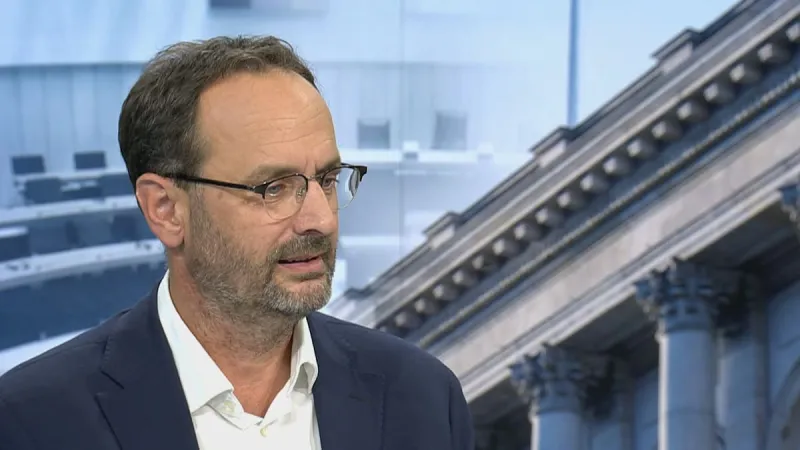
GERMANY – Gabriel Kords, the Editor-in-Chief of the German newspaper Nordkurier, recently articulated a compelling thesis: a significant and increasing segment of the populace yearns for political disruption, even as established centrist parties caution against such radical change. His assertion, made during a discussion on Meinungsfreiheit, underscores a profound divergence between public sentiment and mainstream political discourse within the nation.
Kords posited that this growing desire for systemic upheaval stems from a widespread dissatisfaction with the prevailing political landscape and the perceived inability of traditional parties to address pressing societal challenges effectively. Citizens, he suggests, are increasingly seeking bold, transformative actions rather than incremental adjustments.
The essence of Kords' argument centers on the disconnect between the political establishment, which often advocates for stability and gradual evolution, and a frustrated electorate clamoring for fundamental shifts. This tension reflects a global phenomenon where trust in conventional institutions has eroded, leading to calls for more decisive and, at times, unconventional governance.
Centrist parties, traditionally the bastions of political continuity, frequently warn of the potential chaos and instability that disruption might unleash. Their rhetoric often emphasizes the importance of preserving democratic norms and incremental progress. However, Kords implies that these warnings are increasingly falling on deaf ears among a public eager for change, even if it entails breaking from established conventions.
This longing for disruption is not merely a call for new policies; it represents a deeper yearning for a complete re-evaluation of political structures and approaches. It suggests a desire to challenge the status quo, to inject fresh perspectives, and to embrace innovative solutions that might lie outside the traditional political playbook.
Observers note that this sentiment is particularly pronounced in societies grappling with complex issues such as economic inequality, climate change, and evolving geopolitical landscapes. The perceived slowness or inadequacy of current governmental responses fuels a readiness among citizens to entertain, or even actively seek, transformative change.
For instance, the ongoing discourse regarding the German Education System in Freefall suggests deep-seated issues that resonate with public discontent. Such systemic failures often reinforce the belief that only a disruptive approach can yield meaningful reforms.
Political analysts are scrutinizing whether this trend signals a fundamental realignment of voter priorities or merely a transient expression of frustration. The implications for upcoming elections and the future composition of legislative bodies could be profound, as parties grapple with how to respond to this palpable public mood.
Some argue that the allure of disruption is a double-edged sword. While it can pave the way for necessary innovation and progress, it also carries the inherent risk of instability or unintended consequences. This balancing act presents a significant challenge for political leaders across the spectrum.
Indeed, the concept of bold leadership often emerges in discussions surrounding the desire for disruption. Voters appear to be seeking figures capable of not just navigating existing systems, but actively reshaping them in response to contemporary demands.
Ultimately, Kords' thesis serves as a critical barometer of public sentiment, suggesting that political parties ignore the yearning for disruption at their peril. The evolving expectations of the electorate demand a nuanced understanding and potentially a strategic pivot from the traditional centrist reluctance to embrace fundamental change.