 Chandra Wijayanto
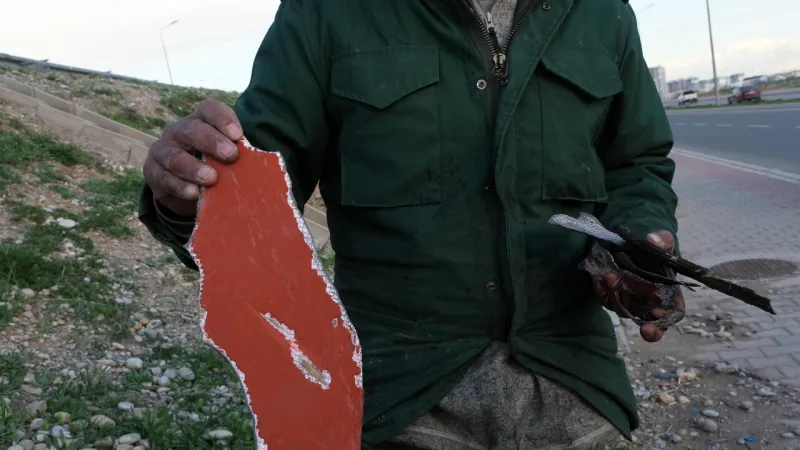
Erbil, Iraq – Iranian drones recently targeted the office of the Kurdistan Region's prime minister, an assault that follows intelligence reports from the Wall Street Journal indicating Tehran exploited a two-month truce to ready for a more expansive regional conflict. This incident marks a significant escalation, immediately drawing international concern over destabilization in the already volatile Middle East.
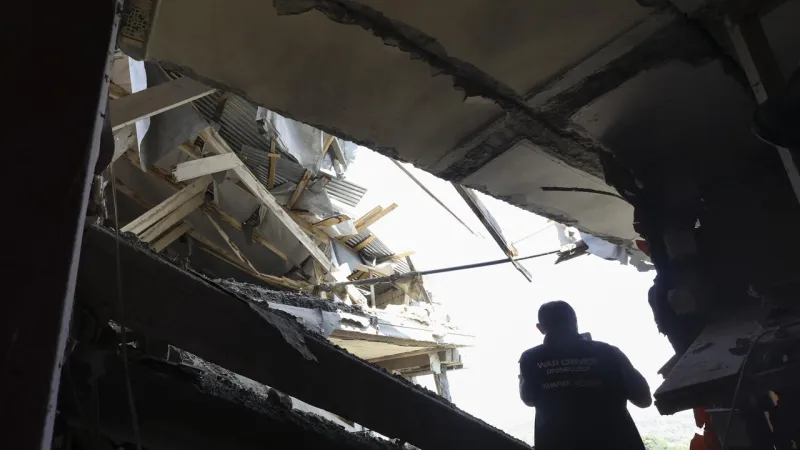
The specific timing of the drone attack remains undisclosed in initial reports, but the targeting of a prominent political office underscores a direct challenge to the Kurdistan Regional Government's sovereignty and stability. Authorities in Erbil are actively assessing the full scope of the incursion and any resultant damage.
The Wall Street Journal's findings provide critical context, revealing that Iran systematically utilized a period of ostensible calm to enhance its military capabilities and strategic positioning. This preparation suggests a calculated long-term strategy rather than a reactive measure in the intricate regional power dynamics.
Intelligence assessments reportedly detailed Iran's efforts to resupply proxy forces, refine its drone technology, and fortify strategic positions across the region. These actions directly contradict any perceived de-escalation efforts, painting a grim picture for future stability and raising fears of renewed hostilities.
The Kurdistan Region of Iraq, a semi-autonomous area, frequently finds itself caught between various regional powers and internal factions. This drone strike could further complicate its delicate geopolitical balance and fuel existing grievances, pushing the region closer to widespread instability.
Analysts suggest that Iran's sustained military buildup could precipitate a wider regional confrontation, potentially drawing in other nations with vested interests in Middle Eastern security. Such a conflict would have profound implications for global oil markets and international security alliances.
The actions by Iran pose a direct challenge to broader efforts at maintaining peace in the Middle East, a region where President Donald Trump's administration has pursued a strategy of engagement and pressure. The persistent threat of Iranian aggression complicates diplomatic endeavors.
The international community is widely expected to condemn the drone attacks and call for immediate restraint from all parties involved, though decisive action often remains elusive in such complex geopolitical landscapes. Calls for de-escalation are likely to be a central theme of diplomatic responses in the coming days.
Tensions between Iran and Iraq, particularly its Kurdish region, have historical roots, often exacerbated by proxy conflicts and cross-border operations. Iran frequently targets alleged opposition groups stationed within Iraqi Kurdistan, though striking a prime minister's office represents a significant escalation in target selection and audacity.
Officials within the Kurdistan Regional Government have not yet issued a detailed public statement regarding the incident's specifics, but security forces are reportedly on heightened alert across the autonomous region. The KRG faces the difficult task of protecting its territory while navigating complex regional alliances and external threats.
The attack serves as a stark reminder of the ongoing instability plaguing the Middle East and highlights the urgent need for diplomatic solutions to avert a larger regional conflagration. The coming days will likely reveal more about the immediate fallout and the international response to Iran's aggressive posture.